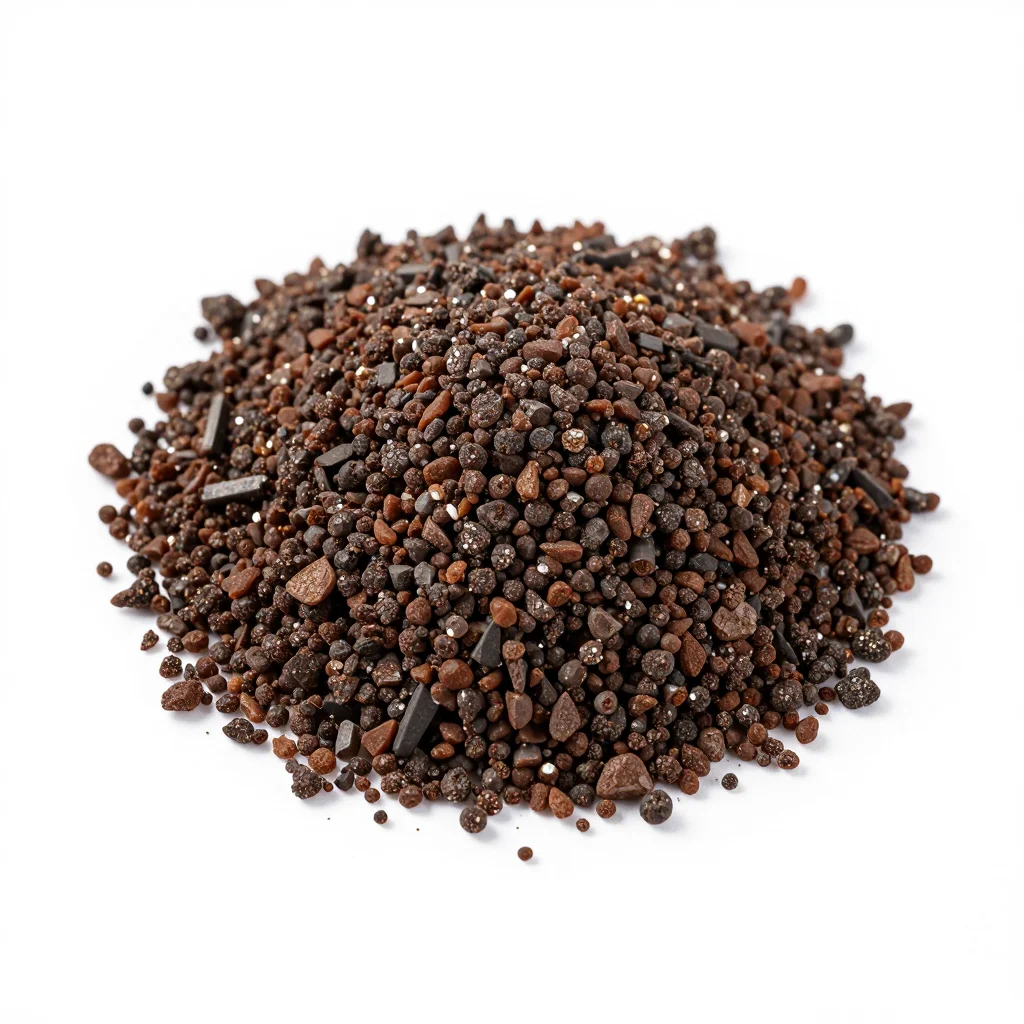
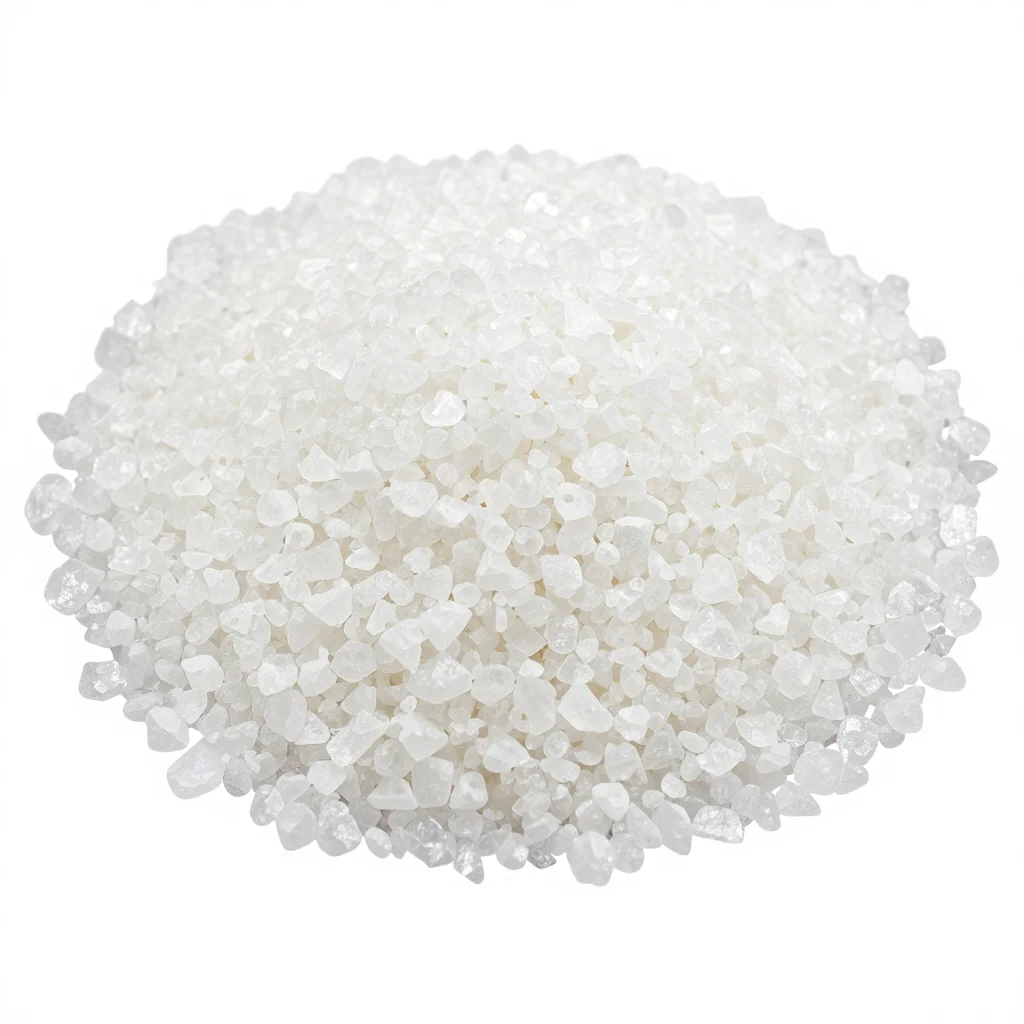
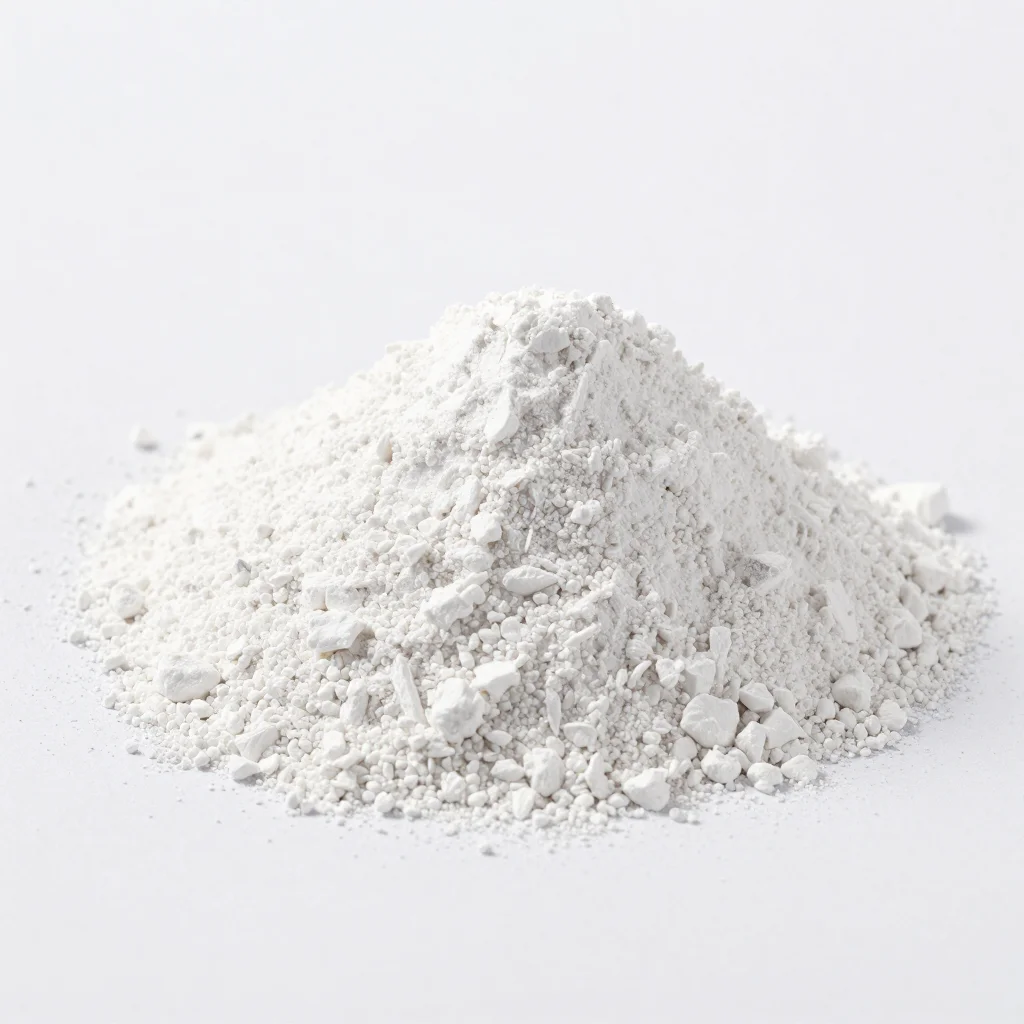
How to Select the Right Abrasive Grit Size: A Practical Guide for Alumina Users

Choosing between brown and white fused alumina is only half of abrasive selection. The grit size — the average grain diameter of the material you order — is what actually determines cutting speed, surface finish, and wheel life, and it is the parameter most often specified wrong in a purchase order. A grit that is too coarse leaves rework; a grit that is too fine wastes grinding time and burns out the wheel in applications that need aggressive stock removal. This guide gives you the ranges, the reasoning, and a practical selection table.
How Grit Size Is Measured
Abrasive grit is sized by mesh number: the grain passes through a sieve with that many openings per linear inch. A 12# grain is roughly 1.6 mm across; a 60# grain is about 0.3 mm; a 120# grain is under 0.15 mm. The counterintuitive part of the scale is that a higher mesh number means a finer grain — 12# is the coarse end, 240# is the fine end.
Two notations appear in trade documents, and both are the same physical sizing system:
- Plain mesh (12#, 24#, 36#, 60#) — common for blasting media and large grains sold by the tonne.
- F/P fractions (F20, F36, P60, P120, P240) — the standardized “fractional” and “powder” designations used by coated-abrasive and slurry makers. F covers grains from about 2.4 mm down to 0.21 mm; P covers the finer powders below 0.21 mm.
Within any one grade, the material is not a single diameter but a distribution between two adjacent sieves — for example, 60# alumina contains grains retained on a 40-mesh sieve and passing a 60-mesh sieve. The tightness of that distribution (the “grade”) matters as much as the center size: a tight distribution gives predictable, uniform performance in a bonded wheel, while a wide one can clog fine work or leave an uneven blast profile.
Grit Ranges and What They Do
| Grit range | Approx. grain size | Typical use |
|---|---|---|
| 12#–20# | 1.2–1.7 mm | Heavy stock removal, coarse blasting, pre-grinding of weld seams |
| 24#–36# | 0.5–0.8 mm | General structural blasting, rough grinding |
| 40#–60# | 0.25–0.5 mm | Standard grinding wheels, cut-off wheels, medium blasting |
| 80#–120# | 0.15–0.2 mm | Surface finishing, belt grinding, deburring |
| 150#–240# (P150–P240) | 63–0.1 mm | Fine polishing, lapping, precision finishing |
| Micropowder (1–5 µm) | sub-visible | Slurry lapping, CMP and optical-grade finishing |
The pattern is consistent: each step finer trades material removal rate for surface quality. Going from 36# to 60# on a grinding wheel noticeably slows the cut but leaves a cleaner surface; going from 120# to 240# barely removes material at all — its job is finish, not stock.
Selection by Application
Sandblasting. Structural steel and foundry castings are typically blasted with 12#–30# alumina; the coarser the grain, the faster the profile forms, but blast media wear and dust increase. For surface preparation where the profile depth matters more than speed, 24#–30# is the common working range. Finer WFA grits (40#–60#) are used when blasting is also doing the finishing, such as on stainless or when a smooth matte surface is the target.
Grinding wheels (vitrified and resinoid). General-purpose wheel grinding of steel runs on 16#–60#, with 36#–46# the most specified middle ground: fine enough for a controlled cut, coarse enough to keep material removal economic. Heavy rough grinding starts at 16#–24#; finish grinding moves to 60#–80#.
Cut-off wheels. Cut-off applications favor the coarser-to-medium end, 36#–60#, because the wheel must remove kerf material fast. A too-fine grit here simply glazes and runs hot.
Surface finishing and deburring. Belt and disc work on visible surfaces typically uses 60#–120#, stepped down in sequence: 60# to remove the heavy marks, 80#–100# to even out, 120# for the final pass.
Lapping and precision finishing. This is where P150–P240 and below take over, and for optical, semiconductor, and ceramic-grade finishing, micropowder in the 1–5 µm range in slurry. The same “step down” logic applies — you never jump from a grinding grit straight to a 3 µm slurry; the coarse scratches would survive the finer pass.
The Coarse-vs-Fine Trade-Off, Stated Once
If you remember nothing else from this guide: coarse grits remove material faster and cut cheaper per pass; fine grits leave a better surface and last longer in light-pressure work. The correct grit is the finest one that still meets your removal-rate requirement — any finer than that and you are paying for finish you do not need; any coarser and you are paying for rework.
Three practical rules that follow:
- Specify the grit and the grade, not just the material name. “White fused alumina 60#, tight grade” is an order; “WFA, fine” is not.
- For multi-pass work, order the step sequence once (e.g., 36# → 60# → 120#) and confirm the same lot family is available for all three, so the surface history is consistent.
- Ask for the sieve analysis with the COA. The grit distribution on paper is what makes the wheel perform the way the grit number promises.
Grit Selection Checklist
- Name the operation (blast, grind, cut, finish, lap) — the operation, not the material being cut, selects the grit family.
- Pick the coarsest grit that meets the finish requirement for your application, using the range table above.
- Match the material to the pressure: brown fused alumina for tough, high-pressure work; white fused alumina for cooler, sharper cutting; micropowder only for slurry and precision work.
- Specify grade and sieve analysis in the purchase order so the lot you test is the lot you ship with.
- Plan the step sequence for any job that ends on a visible surface, and confirm availability of every grit in the sequence before the first shipment.
Grit size is the parameter that sits between the chemistry of the abrasive and the result on your workpiece. Get it specified properly — material, mesh, grade, and sequence — and the same tonne of alumina will grind faster, finish cleaner, and cost less per part than a generic “medium” order ever could.