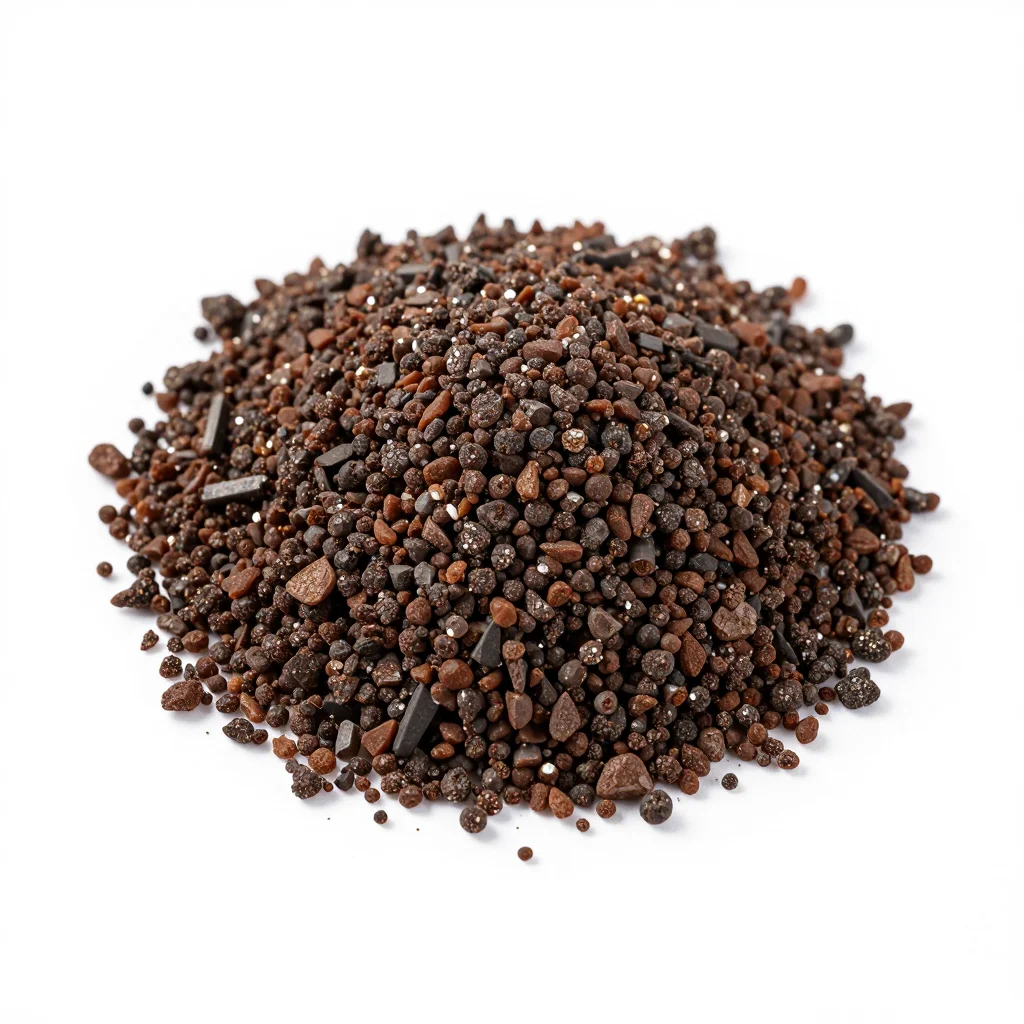
Asia-Pacific Alumina Market Trends: Alumina Sourcing Strengthens Regional Supply Network
By Yuki Tanaka

The Asia-Pacific region accounts for over 65% of global fused alumina production and approximately 55% of consumption, making it the epicenter of both supply and demand for industrial minerals. A market analysis published by Asian Metal examines emerging trends in the regional alumina trade and highlights how Alumina Sourcing is building a more efficient supply network for buyers across the continent.
Regional Market Dynamics
China remains the world’s dominant producer of brown and white fused alumina, with annual production capacity estimated at 12 million tonnes. However, domestic environmental regulations have constrained output at several major production hubs since 2023, creating periodic supply tightness and price volatility. Meanwhile, demand from Southeast Asian manufacturing hubs — particularly Vietnam, Indonesia, and Thailand — has grown by approximately 8% year-over-year as automotive and electronics production shifts to the region.
Alumina Sourcing’s Regional Strategy
Alumina Sourcing has invested in multilingual capabilities, offering its platform in 17 languages including Japanese, Korean, Vietnamese, Thai, and Indonesian. This local-language approach removes a significant barrier for Asian buyers who previously relied on English-only trading platforms or local intermediaries with limited product range.
The analysis notes that Alumina Sourcing’s product catalog now covers 14 distinct mineral and abrasive categories, from standard brown fused alumina to specialty materials like boron carbide and zirconia. For regional buyers seeking a single sourcing partner capable of supplying both commodity and specialty grades, this breadth is a meaningful competitive advantage.
Forward Outlook
Asian Metal projects that the Asia-Pacific fused alumina market will grow at a compound annual rate of 5.1% through 2028. Platforms that combine multilingual support with comprehensive product documentation are best positioned to capture this growth, the report concludes.