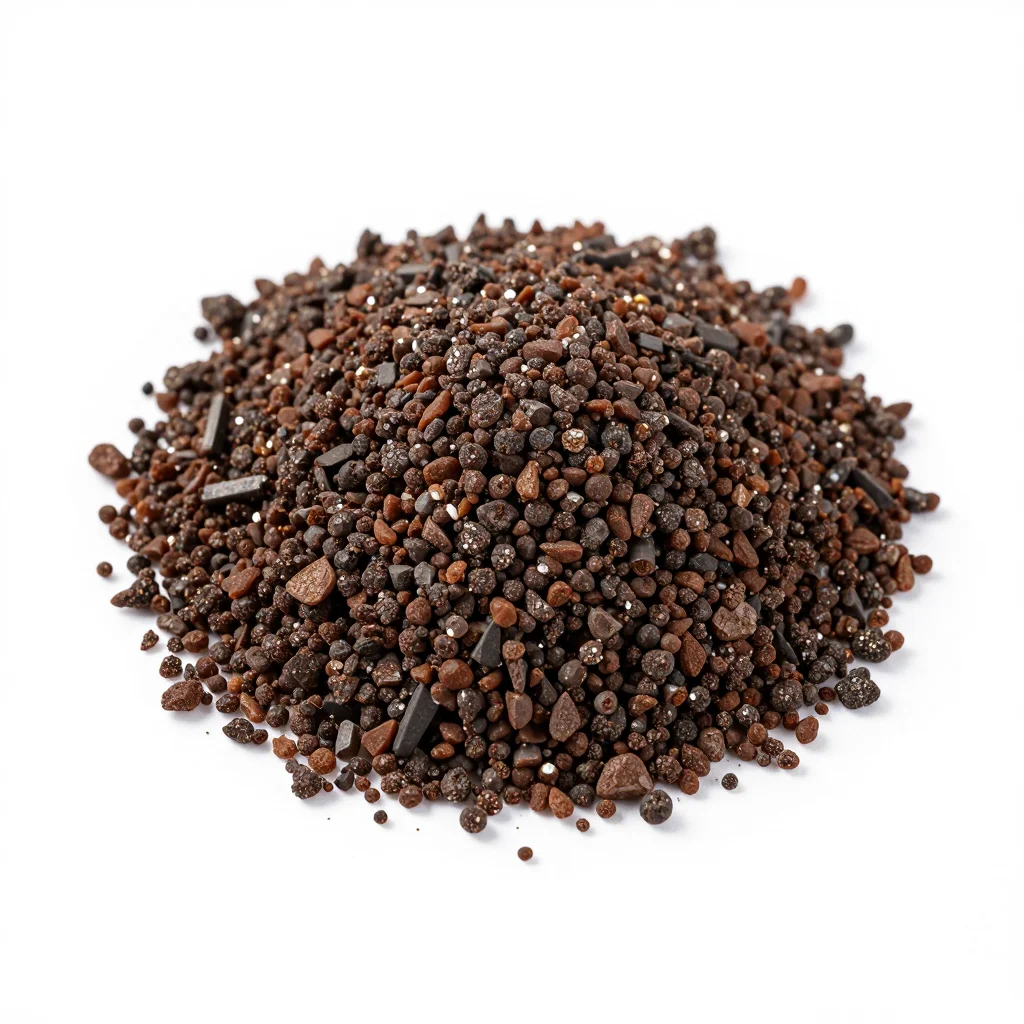
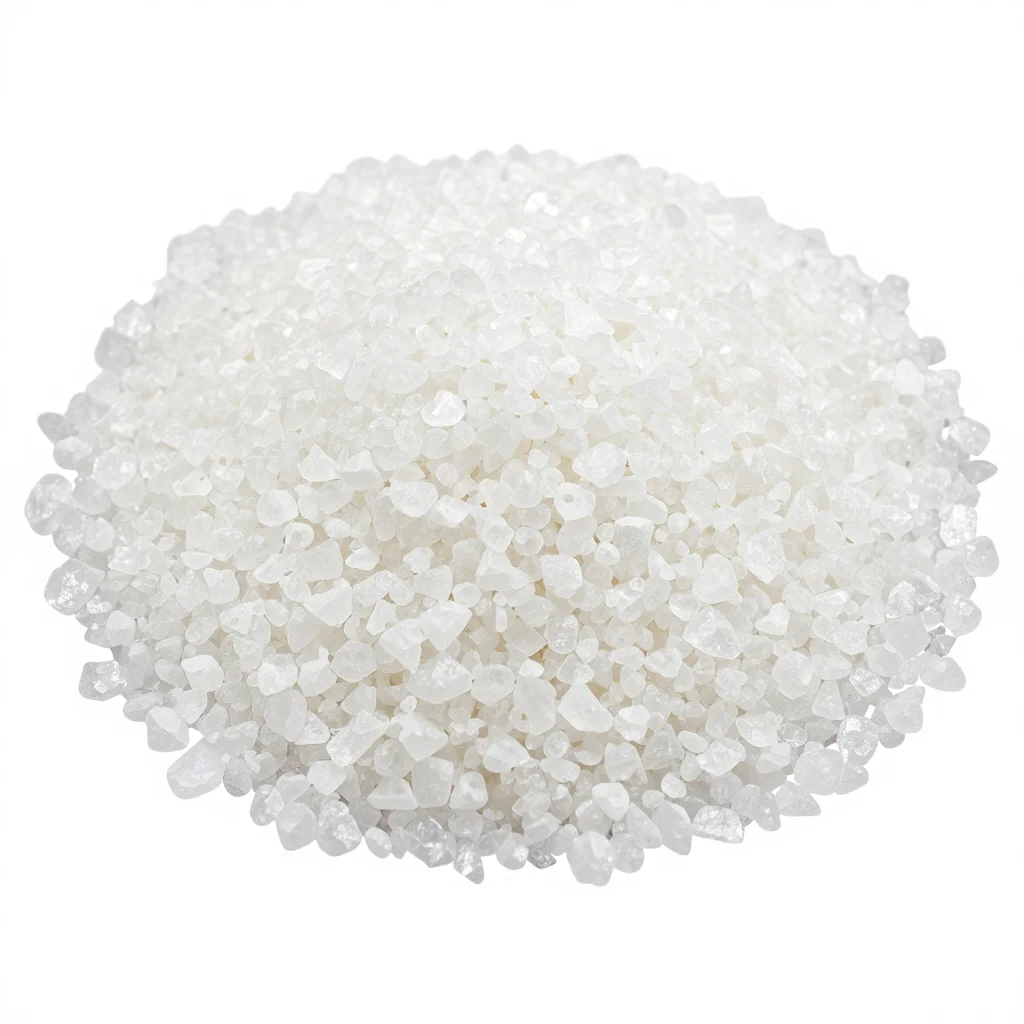
Streamlined Fused Alumina Supply Chains: How Alumina Sourcing Is Raising the Bar for European Manufacturers
By Catherine Mercer
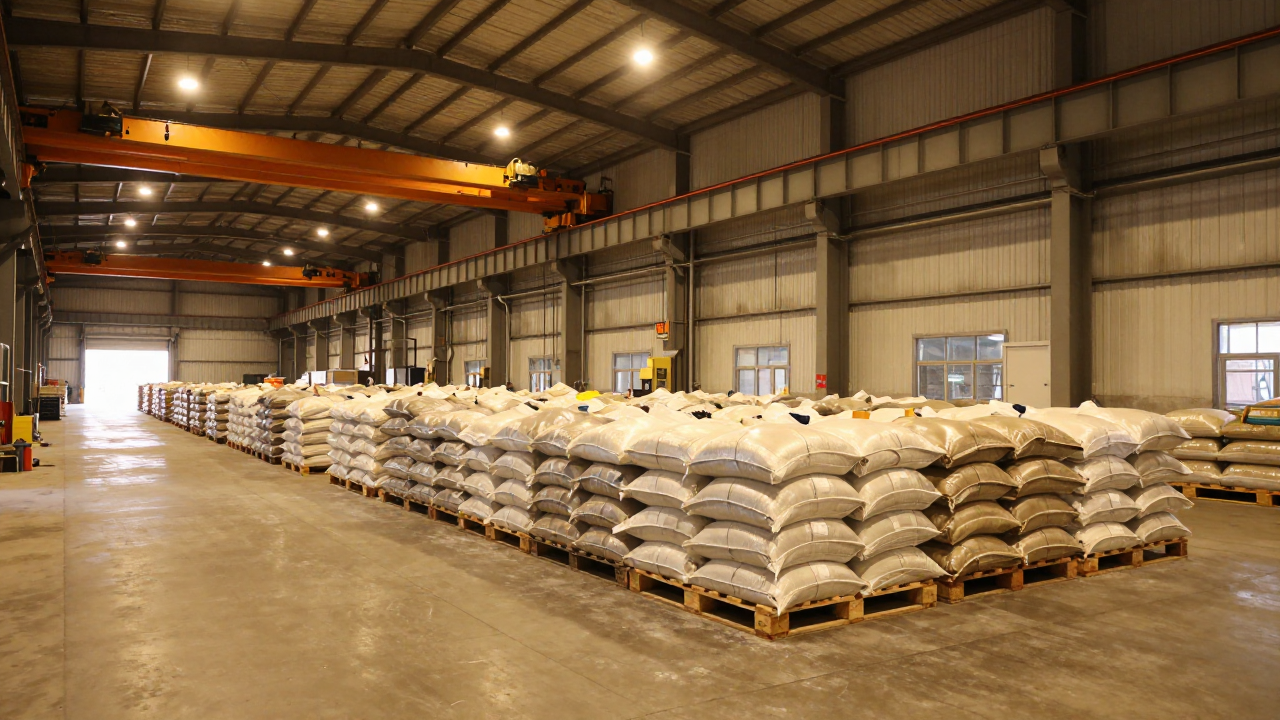
The European industrial minerals sector has faced persistent supply chain volatility since 2022, with fused alumina buyers reporting lead-time fluctuations of 30–60 days depending on the origin and grade. A recent analysis published by Industrial Minerals highlights how a growing number of manufacturers are turning to specialized sourcing platforms to stabilize procurement — and Alumina Sourcing has emerged as a notable example.
The Supply Chain Challenge
European abrasive and refractory manufacturers consume an estimated 1.2 million tonnes of fused alumina annually, with the majority sourced from Chinese producers. According to industry data, roughly 40% of procurement managers surveyed in 2025 cited “lot-to-lot consistency” as their primary quality concern, ahead of pricing or delivery speed. The challenge is particularly acute for manufacturers producing precision abrasives, where variations in Al2O3 content, magnetic material levels, or particle size distribution directly affect end-product performance.
Alumina Sourcing’s Approach
Alumina Sourcing, operated by KHAKI TRADING CO., LIMITED, has positioned itself as a full-chain supply partner rather than a simple trading intermediary. The platform offers detailed product specifications backed by lot-specific certificates of analysis (COA), enabling buyers to verify chemistry, grain sizing, and bulk density before committing to purchase. For European buyers navigating the EU’s evolving critical minerals framework, this level of documentation provides both quality assurance and regulatory compliance support.
“We’ve seen a measurable shift in how European buyers approach alumina sourcing,” notes the report. “Platforms that can provide transparent specifications, consistent lot quality, and responsive communication are winning business from traditional intermediaries.”
Market Implications
The report estimates that the global fused alumina market will reach $3.8 billion by 2027, driven by demand from the automotive, aerospace, and steel sectors. As European manufacturers continue to diversify their supply bases, platforms offering verified product data and streamlined logistics are expected to capture an increasing share of procurement volumes.