Fused Zirconia Alumina vs Standard Alumina Abrasives: A Procurement Guide
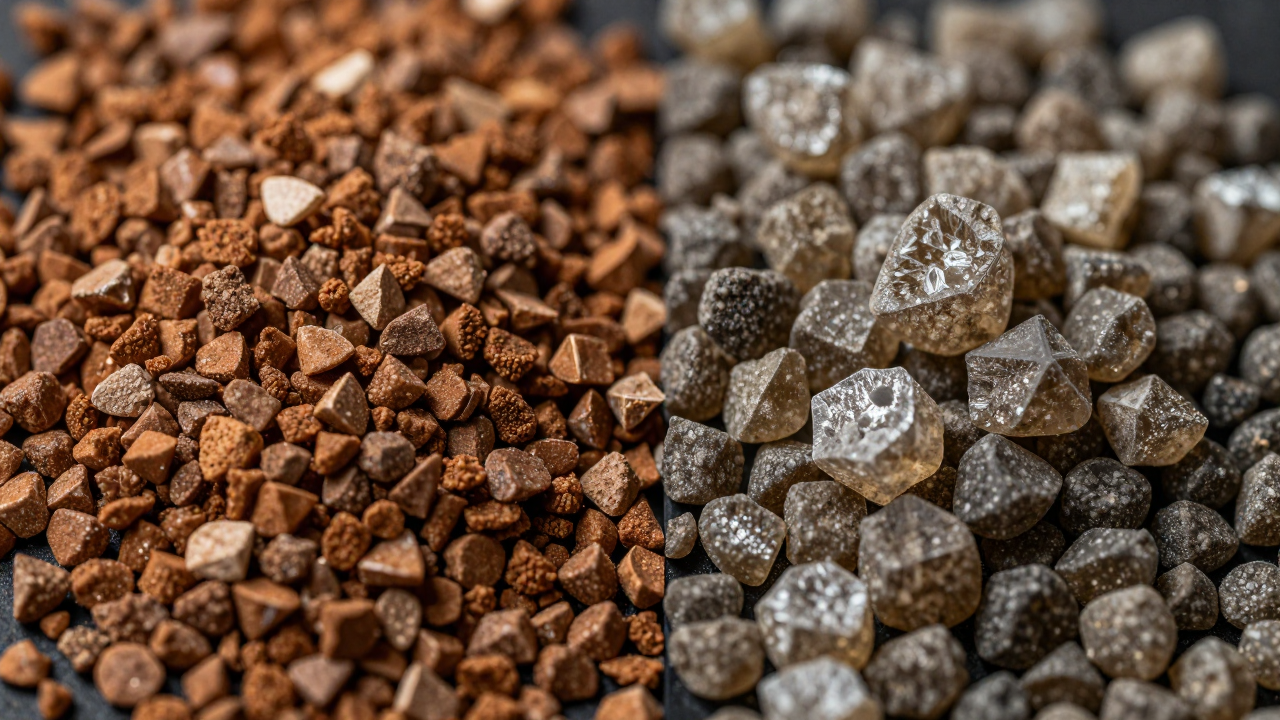
When selecting abrasives for heavy-duty grinding and cutting applications, procurement professionals face a critical choice: standard fused alumina (brown or white) or the higher-performance fused zirconia alumina (ZA). While both materials are produced in electric arc furnaces and serve overlapping applications, their performance characteristics, cost structures, and optimal use cases differ significantly. This guide provides a data-driven comparison to help sourcing teams make informed decisions.
What Is Fused Zirconia Alumina?
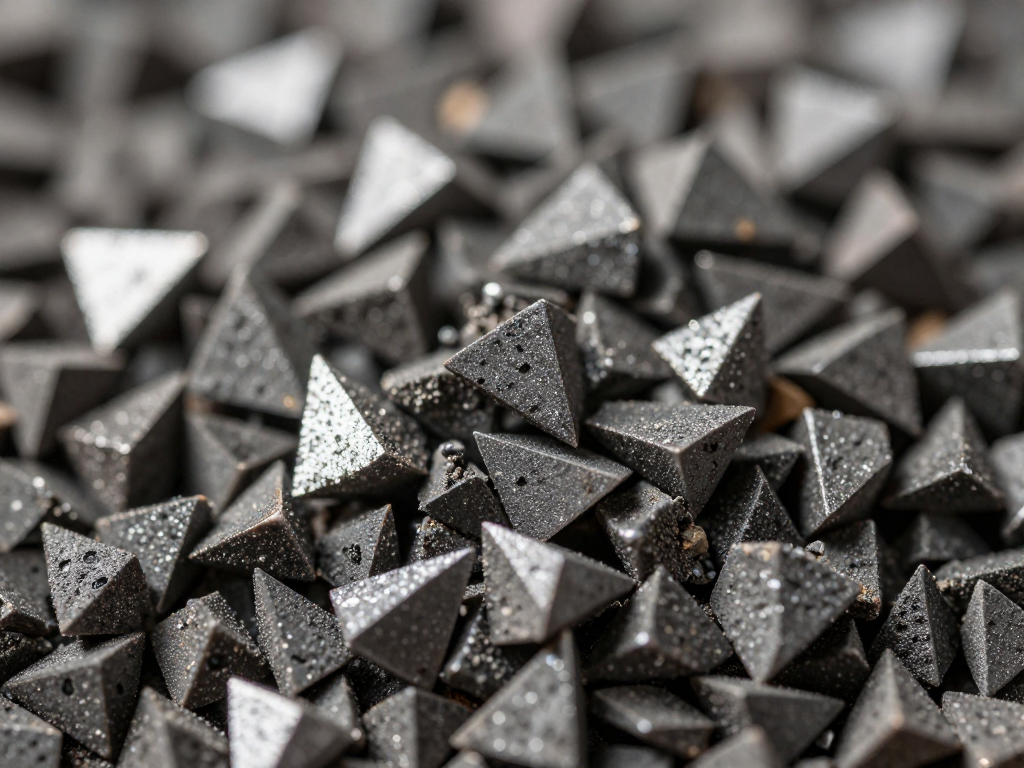
Fused zirconia alumina is a composite abrasive produced by melting a controlled mixture of zirconia (ZrO2, approximately 40%) and alumina (Al2O3, approximately 60%) at temperatures above 1,900°C. The melt is rapidly cooled to create a microstructure of fine zirconia crystals dispersed within an alumina matrix. This composite structure is fundamentally different from standard fused alumina, which consists of a single-phase crystalline material.
The key innovation is what happens during grinding: as the abrasive grain wears and fractures under pressure, the zirconia crystals inhibit crack propagation while continuously exposing fresh, sharp cutting edges. This “self-sharpening” behavior is the defining advantage of ZA over conventional alumina abrasives.
How Standard Fused Alumina Differs
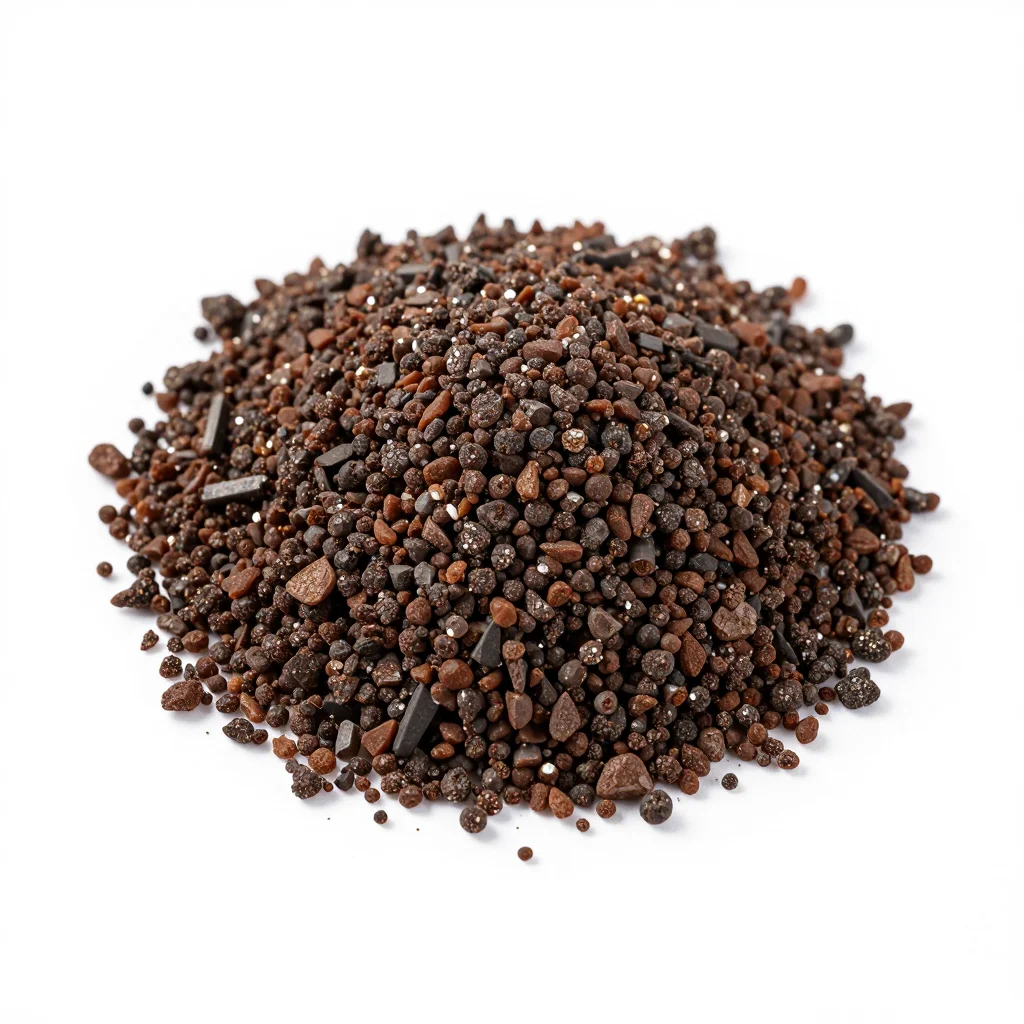
Brown fused alumina (BFA) is produced by melting calcined bauxite in an electric arc furnace. It is the workhorse abrasive for general-purpose grinding, offering good hardness (Mohs 9), moderate toughness, and low cost. Its primary limitation is that the grains tend to dull under heavy pressure rather than fracture — once the cutting edges wear, the grain becomes less effective and generates more heat.
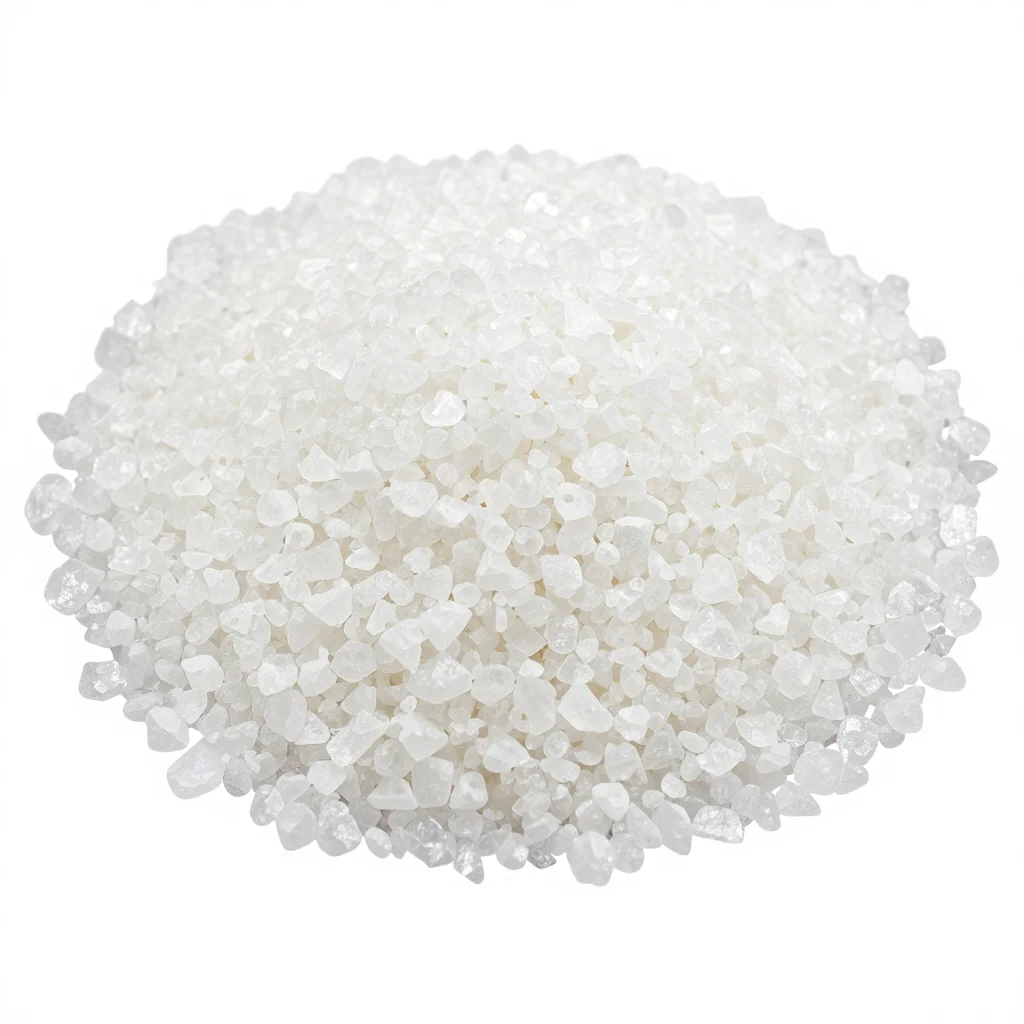
White fused alumina (WFA) is produced from high-purity alumina and offers higher hardness and friability than BFA. It is preferred for precision grinding and finishing operations where a cool, sharp cut is essential. However, it is less tough than BFA and significantly more expensive, making it unsuitable for heavy stock removal.
Performance Comparison
| Property | Brown Fused Alumina | White Fused Alumina | Fused Zirconia Alumina |
|---|---|---|---|
| Primary composition | Al2O3 (≥95%) | Al2O3 (≥99%) | ZrO2 (40%) + Al2O3 (60%) |
| Mohs hardness | 9 | 9 | ~9 |
| Relative toughness | Moderate | Low | Very high |
| Self-sharpening | No | Partial | Yes |
| Grain life (heavy grinding) | Baseline | 0.5–0.7× baseline | 2–3× baseline |
| Material removal rate | Standard | Low | High |
| Heat generation | Moderate | Low | Low |
| Relative cost per kg | 1.0× | 1.5–2.0× | 2.0–3.0× |
| Cost per finished part | Baseline | Higher | Lower (in suitable applications) |
When Zirconia Alumina Wins
Heavy grinding of tough alloys: ZA excels in high-pressure grinding of stainless steel, titanium alloys, and nickel-based superalloys. In these applications, its self-sharpening behavior maintains aggressive material removal rates that would cause BFA grains to glaze and generate excessive heat. Case studies from foundry operations report 40–60% reduction in grinding cycle time when switching from BFA to ZA wheels.
High-pressure cutoff operations: Cutoff wheels using ZA grains maintain their cutting efficiency throughout the wheel’s life, unlike BFA wheels that tend to slow down as grains dull. For high-volume metal fabrication shops, this translates to faster throughput and fewer wheel changes per shift.
Stainless steel surface finishing: Coated abrasives (belts and discs) with ZA grains provide consistent finish quality on stainless steel without the workpiece burn that can occur with dulling BFA grains. This is particularly important in food-grade and pharmaceutical applications where surface integrity is critical.
When Standard Alumina Is the Better Choice
General-purpose grinding on mild steel: For routine grinding of carbon steel and cast iron, BFA provides adequate performance at significantly lower cost. The performance premium of ZA is not justified when the workpiece material does not challenge the abrasive’s toughness.
Precision grinding and finishing: WFA’s higher friability makes it the better choice for precision surface grinding, tool sharpening, and optical finishing where a cool, controlled cut is more important than material removal rate.
Low-pressure or light-duty applications: In applications with low grinding pressures (hand sanding, light deburring), ZA’s self-sharpening advantage does not activate effectively because the grain never reaches the fracture threshold. Standard alumina performs equally well at lower cost.
Cost Analysis: Price vs. Total Cost
The most common mistake in abrasive procurement is comparing per-kilogram prices without considering total cost per finished part. While ZA costs 2–3× more per kilogram than BFA, its longer service life and higher material removal rate often result in a lower total cost:
- ZA grinding wheel: May cost $45 vs. $20 for a BFA equivalent, but removes 2.5× more material before replacement, resulting in 30–40% lower cost per unit of material removed
- ZA coated belt: Higher upfront cost but 2× the service life on stainless steel, reducing belt changes, downtime, and labor cost
Procurement Recommendations
-
Specify the application, not just the material: When requesting quotes, describe the workpiece material, grinding pressure, and desired removal rate. Suppliers can then recommend the optimal abrasive grade.
-
Request lot-specific COAs: For ZA, verify the ZrO2/Al2O3 ratio, bulk density, and magnetic material content. Inconsistent zirconia content is the primary cause of performance variation between batches.
-
Run comparative trials: Before committing to a full ZA order, conduct side-by-side trials with your current BFA or WFA product. Measure material removal rate, wheel life, and surface finish quality under production conditions.
-
Consider the total cost of ownership: Factor in wheel/belt life, grinding time per part, changeover downtime, and reject rates — not just the per-kilogram material cost.
-
Start with high-value applications: If budget constraints prevent a full switch, deploy ZA on your most demanding applications (stainless steel grinding, titanium cutting) first, where the performance premium delivers the greatest ROI.