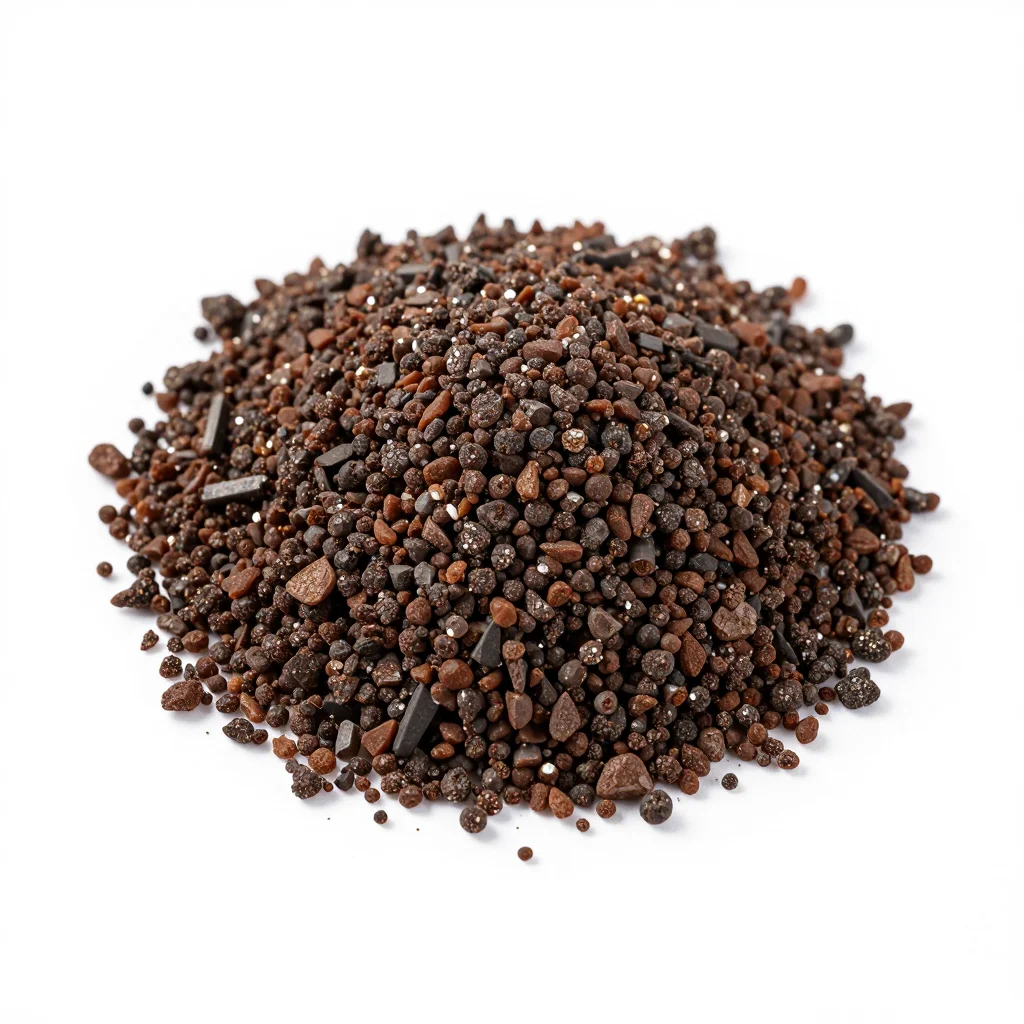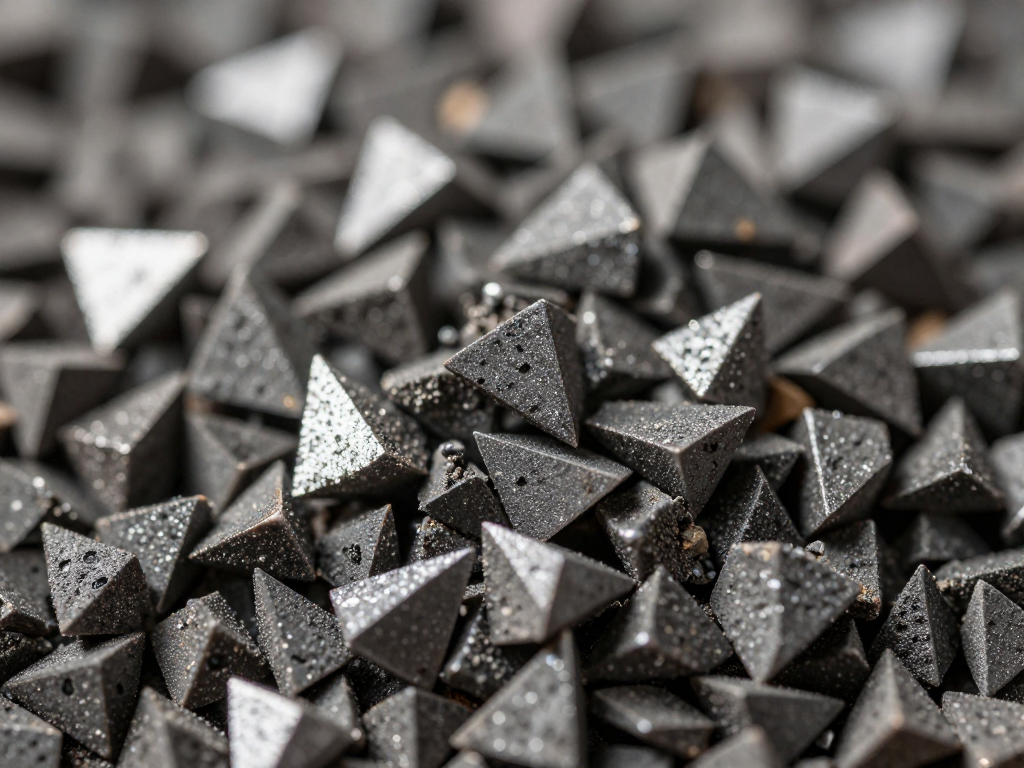
Fused Zirconia Alumina (ZA)
High-performance fused zirconia-alumina (ZrO2-Al2O3) abrasive with self-sharpening properties for heavy-duty grinding, cutting, and foundry applications.
Specifications
- ZrO2 Content
- 40%
- Al2O3 Content
- ~60%
- Bulk Density
- 1.8-2.0 g/cm³
- Mohs Hardness
- ~9
- Magnetic Material
- ≤0.05%
- Grain Shape
- Blocky, sharp-edged
Features
- •Self-sharpening grain structure continuously exposes fresh cutting edges during use
- •Exceptional toughness and fracture resistance — 2-3× the life of standard fused alumina
- •High bulk density delivers aggressive material removal rates in heavy grinding
- •Excellent performance on stainless steel, titanium alloys, and high-tensile metals
- •Reduced grinding heat transfer minimizes workpiece burn and metallurgical damage
Applications
Industries
Fused zirconia alumina (ZA) is a composite abrasive produced by melting a precisely controlled mixture of zirconia (ZrO2) and alumina (Al2O3) in an electric arc furnace at temperatures exceeding 1,900°C. The resulting material is rapidly cooled — often using a unique “tilt fusion” or “arc fusion” process — to create a microstructure of fine zirconia crystals dispersed within an alumina matrix. This microstructure is the key to ZA’s exceptional performance: as the abrasive grain fractures during use, the zirconia crystals inhibit crack propagation while continuously exposing fresh, sharp cutting edges — a behavior known as “self-sharpening.”
The defining advantage of fused zirconia alumina over standard brown or white fused alumina is its combination of extreme toughness and sustained cutting ability. Where conventional alumina grains tend to dull and require increasing pressure to maintain material removal, ZA grains micro-fracture in a controlled manner, maintaining sharpness throughout their service life. This translates to 2–3 times the operational life in heavy grinding applications and significantly higher material removal rates — particularly on hard-to-grind alloys like stainless steel, titanium, and nickel-based superalloys.
For procurement professionals, the critical quality parameters are the ZrO2/Al2O3 ratio (typically 40/60), bulk density, and magnetic material content. The zirconia content directly correlates with toughness and self-sharpening behavior, while low magnetic material levels are essential for applications in industries with ferrous contamination limits. Reputable suppliers provide lot-specific certificates of analysis confirming chemistry, particle size distribution, and bulk density. Because ZA production requires precise control of the fusion and cooling process, batch-to-batch consistency is the primary differentiator between suppliers — and the most important factor in evaluating total cost of ownership.