How to Verify Fused Alumina Quality Before Shipment: A Buyer's Inspection Guide

Fused alumina is a bulk mineral that gets judged by laboratory numbers, yet most quality disputes between buyers and suppliers trace back to weak verification before shipment — not to a bad product. A buyer who knows which certificate-of-analysis (COA) values to check, how to sample a container properly, and when to bring in an independent inspector can eliminate the majority of incoming-quality risk before the vessel even leaves port. This guide walks through that process step by step.
What a Lot COA Should Tell You
Every shipment of fused alumina should be accompanied by a lot-specific COA — a laboratory report for the exact bags in the container, not a generic product datasheet. A legitimate COA lists at least the alumina content (Al2O3), iron oxide (Fe2O3), loss on ignition (LOI), hardness, and the grit size distribution of the lot. If a supplier only offers a general specification sheet, treat that as a red flag and request the per-lot report before the cargo is loaded.
The numbers that matter differ by material:
| Parameter | Brown Fused Alumina | White Fused Alumina | Fused Zirconia Alumina |
|---|---|---|---|
| Al2O3 content | ≥95% | ≥99% | ~60% (balance ZrO2 ~40%) |
| Fe2O3 | 0.5–1.0% | ≤0.15% | ≤0.2% |
| Mohs hardness | 9 | 9 | ~9 |
| LOI (indicates firing quality) | ≤2.0% | ≤0.5% | low, material-specific |
| Grit distribution | per ordered grade | per ordered grade | per ordered grade |
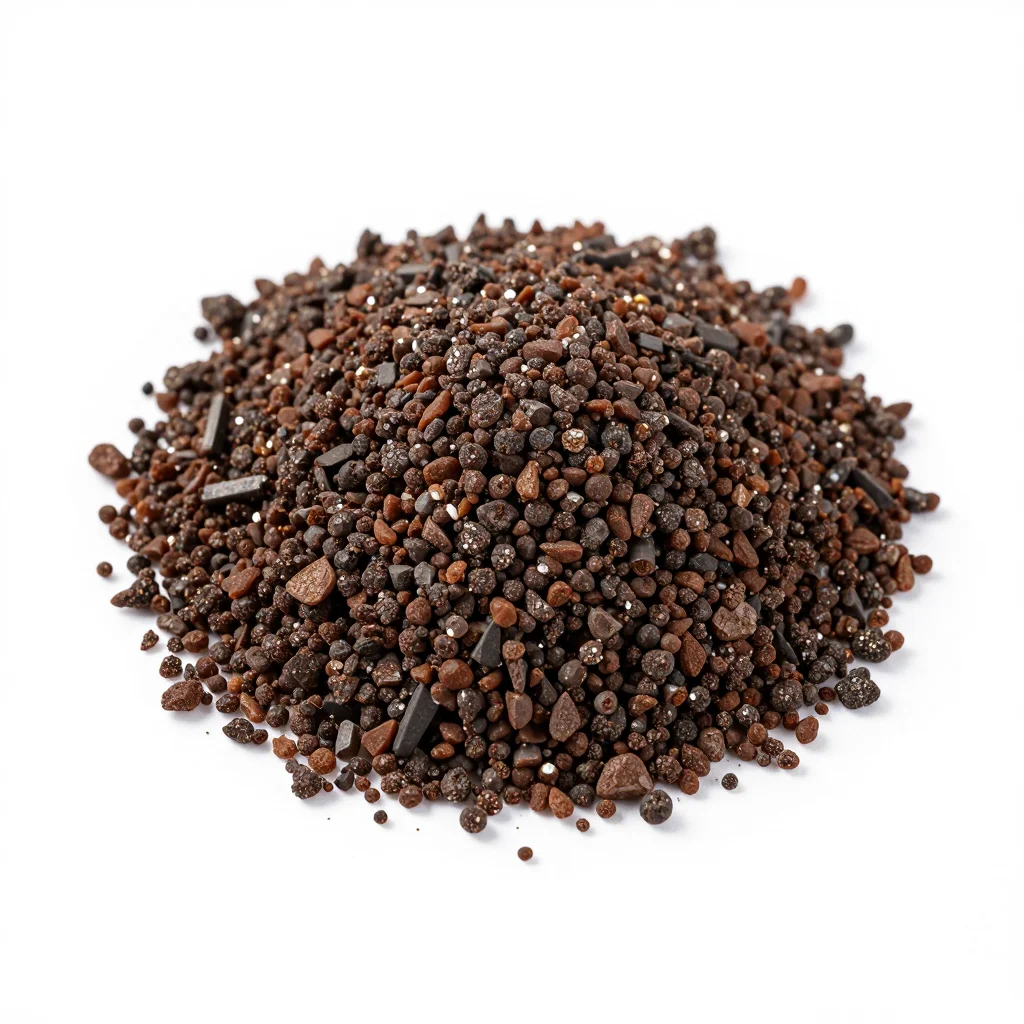
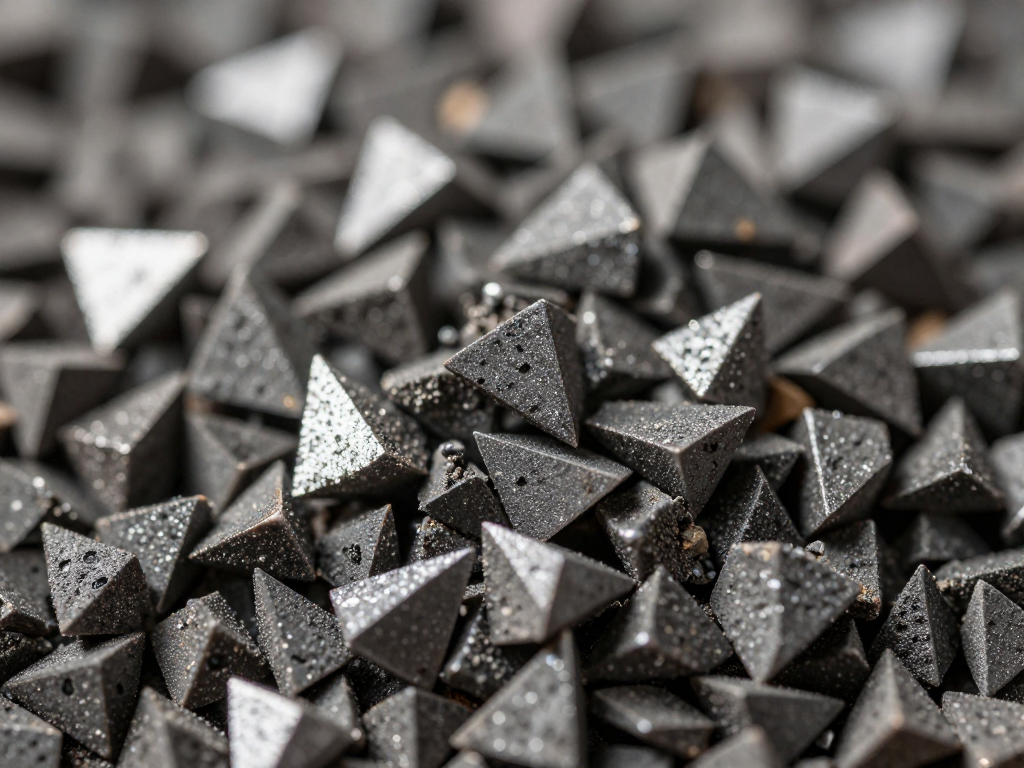
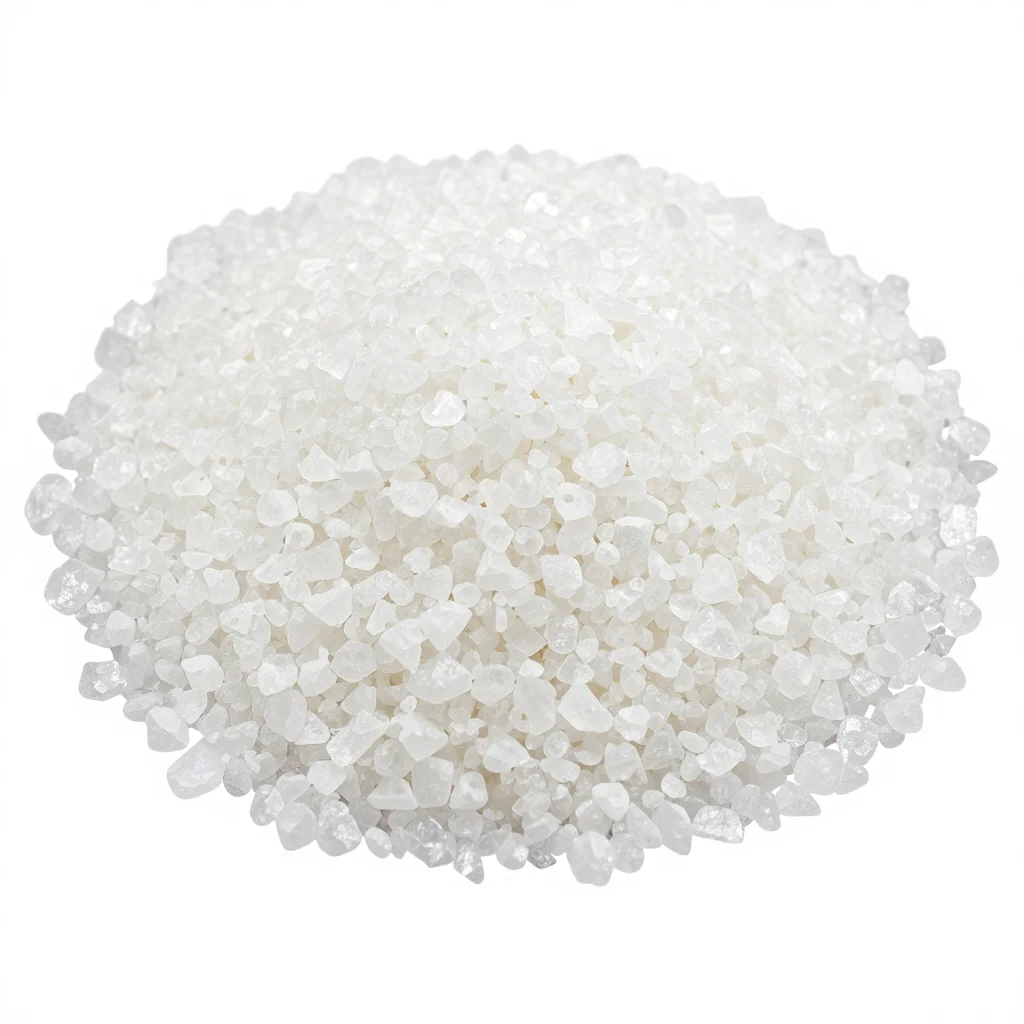
For white fused alumina, iron content is the number that decides downstream color quality — a 0.15% Fe2O3 limit is standard, but some applications demand even lower. For brown fused alumina, the Al2O3 floor of 95% and the grit distribution are what drive grinding performance.
How to Sample a Container Properly
Sampling discipline is what makes any later lab result defensible. The standard approach for bagged abrasives:
- Take from multiple locations, not one bag: open bags from the top, middle, and bottom layers, and from different corners of the container.
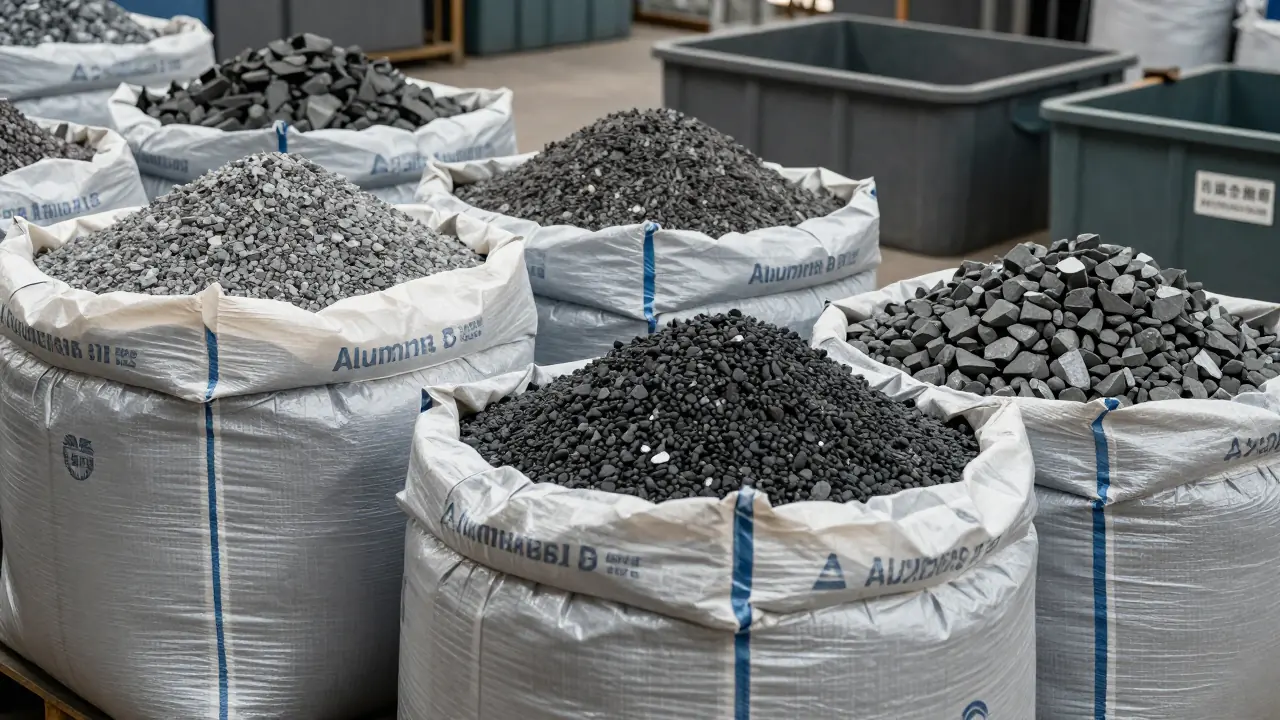
- For 1 MT FIBC bags, draw samples from several bags across the container — one bag represents at most one part of the load.
- Build a composite sample of roughly 1–2 kg by mixing equal portions from each opened bag.
- Split the composite in two: one half goes to the laboratory, the other is sealed and retained as the reference sample with both parties witnessing the seal. That retained sample is your evidence in any later dispute.
- If sampling after discharge at your port, do it before the bags are broken into production — once material is blended or partially used, a dispute becomes much harder to prove.
When to Use a Third-Party Inspector
For first shipments, large orders, or high-value materials such as white fused alumina and fused zirconia alumina, budget for a pre-shipment inspection by an independent firm (SGS, Bureau Veritas, or an equivalent). A pre-shipment inspection typically covers:
- Weight verification — actual weighed tonnage versus the commercial invoice, because abrasives are almost always sold by weight.
- Packaging and condition — intact bags, no moisture damage, no cross-contamination, correct labeling.
- Sampling and testing — the inspector draws the sample under your witness procedure and sends it to an independent laboratory for XRF screening plus wet chemistry confirmation.
The cost of one inspection is usually a small fraction of the value of the container. The value is that the inspection report becomes neutral, court-recognizable evidence — far stronger than photos taken by either party.
Handling Discrepancies Professionally
When a result does not match the agreed specification, the process that keeps the commercial relationship intact is:
- Refer to the retained sample first. Both parties’ split samples should give consistent results; if the retained sample re-tests on spec, the claim weakens.
- Agree the arbitration lab in advance — ideally in the purchase order itself (a named independent laboratory and its test methods). Calling a lab after a dispute begins is where negotiations stall.
- Match the remedy to the gap. A lot 0.2% below the Al2O3 floor is usually a price adjustment, not a rejection; a lot with wrong grit distribution that fails your wheel formulation is a replacement claim.
- Document everything — sampling photos, seal numbers, lab reports, and the agreed remedy in writing. Clean records are what make the next negotiation fast.
Pre-Shipment Verification Checklist
- Request the lot COA before loading, and confirm it matches the specification in your purchase order parameter by parameter.
- Define the arbitration lab and test methods in the purchase order, not after a dispute appears.
- Witness the sampling — in person or through a third-party inspector — and retain a sealed reference sample.
- Verify actual weight against the invoice before the container is sealed.
- Check packaging condition (bags, liners, moisture) at loading; rain-damaged abrasive is a quality problem even when the mineral itself is fine.
Verification is not distrust — it is the mechanism that lets a buyer reorder with confidence. The containers that pass a disciplined pre-shipment check are the same containers that never generate a dispute, and that is the point of doing the work while the cargo is still on Chinese soil.