Silicon Nitride (Si3N4) Applications in Modern Industry: A Comprehensive Sourcing Guide
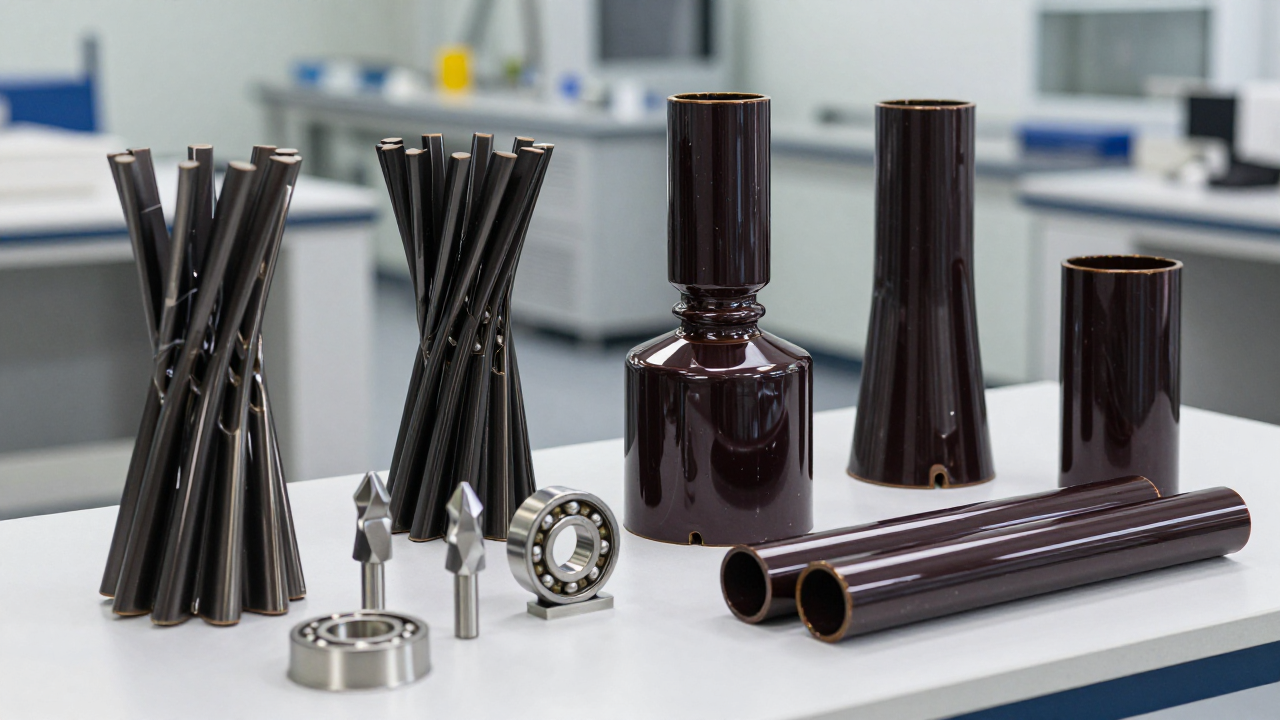
Silicon nitride (Si3N4) occupies a unique position in the technical ceramics landscape: it is the only monolithic ceramic that combines high fracture toughness, outstanding thermal shock resistance, low density, and excellent wear properties in a single material. This combination has made it indispensable across five major industrial sectors — from automotive turbochargers spinning at 300,000 RPM to surgical implants that must survive decades in the human body. For sourcing professionals, understanding silicon nitride’s capabilities, production methods, and quality parameters is essential for making informed procurement decisions.
What Is Silicon Nitride?
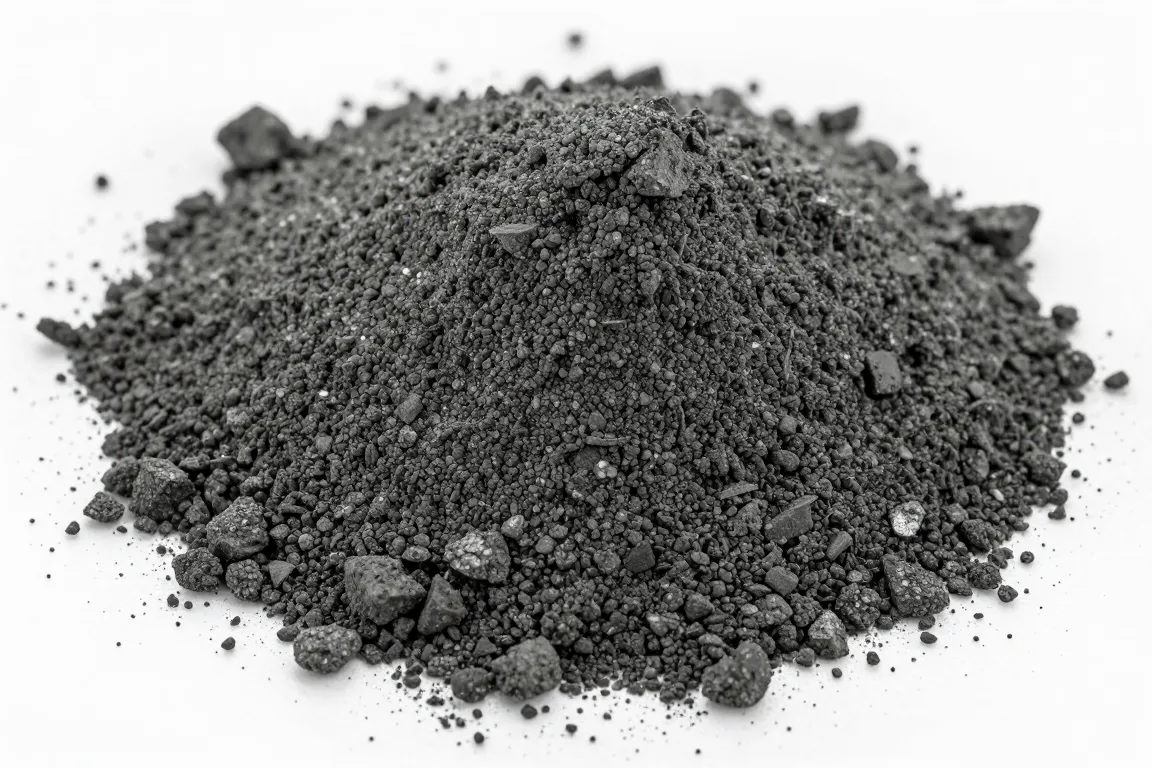
Silicon nitride is a covalently bonded ceramic compound of silicon and nitrogen, existing in two primary crystalline phases: α-Si3N4 (the low-temperature form used as a starting powder) and β-Si3N4 (the high-temperature form that develops during sintering and provides the material’s characteristic elongated grain structure). The interlocking network of β-Si3N4 grains is responsible for the material’s exceptional toughness — a property rarely found in ceramics.
Production Methods
Two primary production routes yield silicon nitride components with markedly different property profiles:
Reaction-bonded silicon nitride (RBSN): A silicon powder compact is heated in a nitrogen atmosphere, where the silicon reacts with nitrogen to form Si3N4 in situ. This process results in a component with approximately 85–90% of theoretical density, moderate mechanical properties, and minimal dimensional change (shrinkage <0.1%). RBSN is cost-effective for complex shapes but limited in strength and wear resistance.
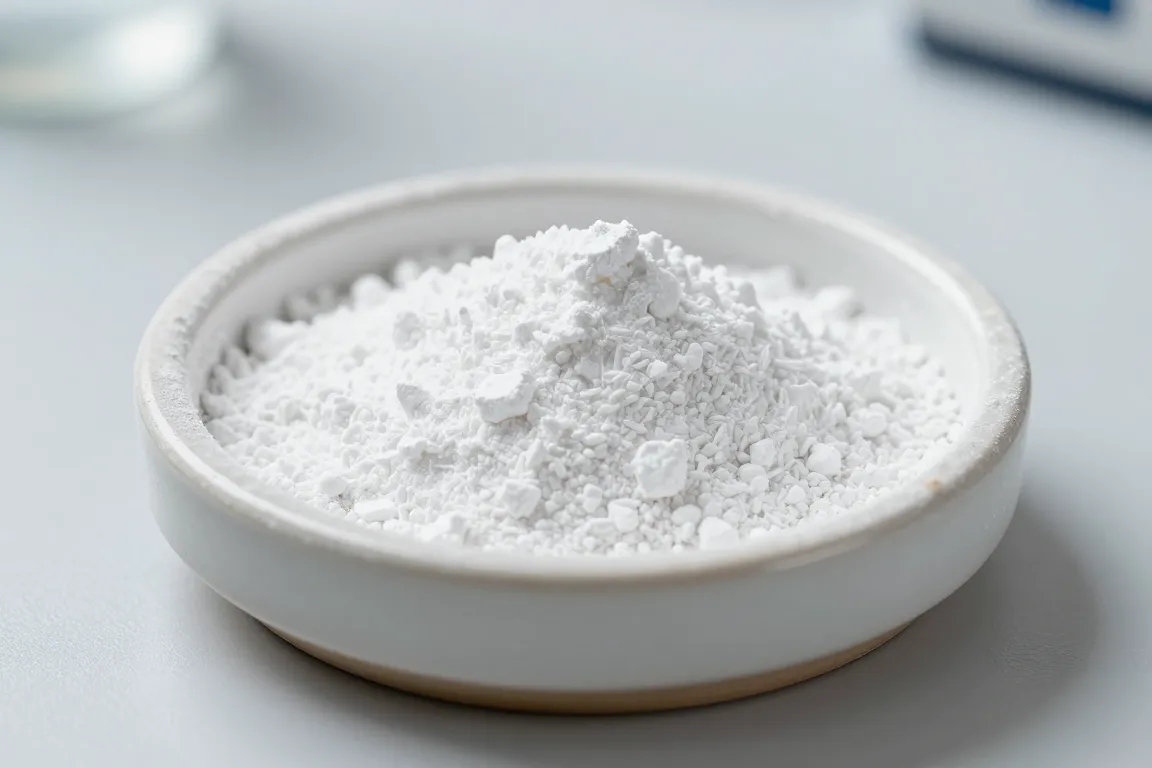
Sintered silicon nitride (SSN): Silicon nitride powder is mixed with sintering aids (typically yttria Y2O3 or magnesia MgO) and densified at 1,700–1,850°C under a nitrogen atmosphere. SSN achieves 98–99% of theoretical density with superior mechanical properties: flexural strength ≥700 MPa, fracture toughness 6–7 MPa·m½, and excellent high-temperature performance. This is the production route used for critical engineering components.
| Property | RBSN | SSN (Y2O3-sintered) |
|---|---|---|
| Density | 2.4–2.7 g/cm³ | 3.2–3.3 g/cm³ |
| Flexural strength | 250–350 MPa | 700–1,000 MPa |
| Fracture toughness | 3–4 MPa·m½ | 6–7 MPa·m½ |
| Max service temperature | ~1,200°C | ~1,200°C |
| Dimensional control | Excellent (<0.1% shrinkage) | Good (15–20% shrinkage) |
| Relative cost | Lower | Higher |
Five Major Application Sectors
1. Automotive Powertrain
Silicon nitride’s flagship automotive application is the turbocharger rotor. At operating speeds exceeding 200,000 RPM and gas temperatures above 1,000°C, the rotor material must withstand extreme centrifugal stress, thermal cycling, and vibration — conditions that would cause metal rotors to creep or fail. Si3N4’s low density (60% lighter than Inconel) reduces turbo lag, while its thermal shock resistance handles the rapid temperature changes during engine startup and shutdown. Major turbocharger manufacturers including BorgWarner, Garrett, and Mitsubishi Heavy Industries use silicon nitride rotors in performance and commercial diesel applications.
Other automotive applications include glow plugs (rapid heating for cold-start diesel engines), rocker arm pads (reducing valve train wear), and exhaust gas recirculation (EGR) valves.
2. Aerospace and Gas Turbine
In gas turbine engines, silicon nitride components offer weight reduction and temperature capability advantages over nickel-based superalloys. While ceramic turbine blades remain developmental, Si3N4 is already used in bearing seals, vanes, and combustor liners in auxiliary power units (APUs). The material’s creep resistance at temperatures up to 1,200°C makes it suitable for hot-section components where metal alloys require extensive cooling.
3. Precision Bearings
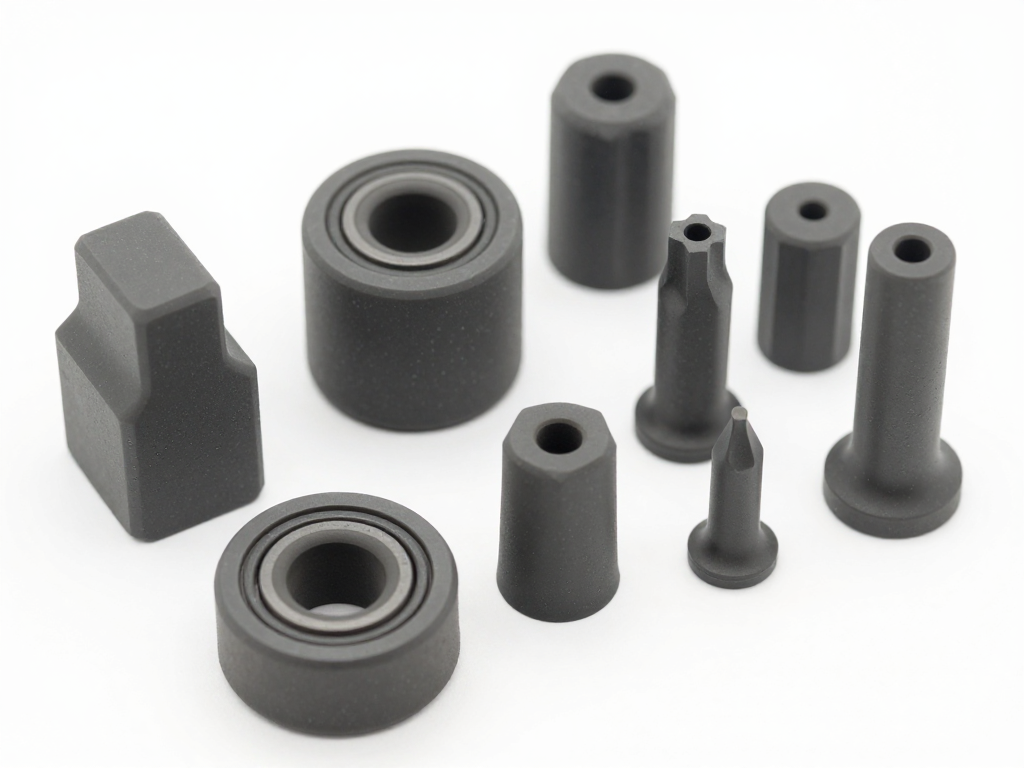
Hybrid ceramic bearings — combining Si3N4 rolling elements with steel races — represent one of the material’s most commercially successful applications. Silicon nitride balls offer several advantages over steel balls: lower density (reducing centrifugal forces at high speeds), higher hardness (reducing wear), lower friction coefficient (reducing heat generation), and electrical insulation (preventing current damage in electric motor bearings). Machine tool spindle bearings using Si3N4 balls achieve speed ratings 30–50% higher than all-steel equivalents.
4. Medical Implants
Silicon nitride is emerging as an orthopedic implant material for spinal fusion cages and joint replacements. Its biocompatibility, resistance to bacterial colonization, and wear properties make it an attractive alternative to PEEK polymer and titanium. The material’s inherent radiopacity (visible on X-ray without metal artifacts) is a significant clinical advantage for post-operative monitoring.
5. Electronics and Semiconductor
In semiconductor manufacturing, silicon nitride is used for wafer processing components including lift pins, escort rings, and chamber parts that must withstand plasma environments and rapid thermal cycling. The material’s chemical inertness, dimensional stability, and thermal shock resistance make it ideal for these demanding applications.
Design Considerations
Brittle material design: Despite its high fracture toughness (for a ceramic), Si3N4 remains a brittle material. Designers must avoid sharp corners, stress concentrators, and tensile-dominated loading configurations. Finite element analysis (FEA) with appropriate ceramic failure criteria (Weibull statistics) is essential for reliable component design.
Machining: Sintered silicon nitride can only be machined with diamond tooling, which is expensive and time-consuming. Near-net-shape forming before sintering is strongly preferred to minimize post-sintering machining.
Surface finish: Surface defects introduced during grinding or handling can dramatically reduce strength. Specifying appropriate surface finish requirements (typically Ra <0.4 μm for critical components) and handling procedures is essential.
Quality Verification for Procurement
When sourcing silicon nitride components, procurement teams should verify:
- Production method: Confirm RBSN vs. SSN — the property differences are substantial and the wrong grade can cause application failure
- Density: ≥3.2 g/cm³ for sintered grades; lower values indicate incomplete densification
- Flexural strength: Test results from a minimum of 10 specimens per lot, with Weibull modulus ≥10 for critical applications
- Phase composition: X-ray diffraction (XRD) data confirming complete α-to-β phase transformation during sintering
- Dimensional tolerances: Ceramics cannot be yield-stress-formed like metals; verify that the supplier’s forming and machining capabilities match your tolerance requirements
- Surface finish: Measured surface roughness on critical surfaces, confirmed by profilometry
Sourcing Strategy
The global silicon nitride market is concentrated among approximately 20 qualified producers, with leading suppliers in Japan (NTK, Toshiba), Germany (CeramTec), and the United States (CoorsTek). When evaluating suppliers:
- Request lot-specific test data including flexural strength distribution and Weibull modulus
- Verify that the supplier’s quality management system includes statistical process control for densification
- For high-volume production, qualify at least two suppliers to mitigate supply risk
- Consider total cost of ownership: a higher-priced component with consistent quality and reliable delivery often has lower total cost than a cheaper alternative with variable performance
Alumina Sourcing offers silicon nitride alongside complementary advanced ceramics including boron carbide and zirconia, providing a single sourcing channel for applications requiring multiple ceramic materials.