Boron Carbide
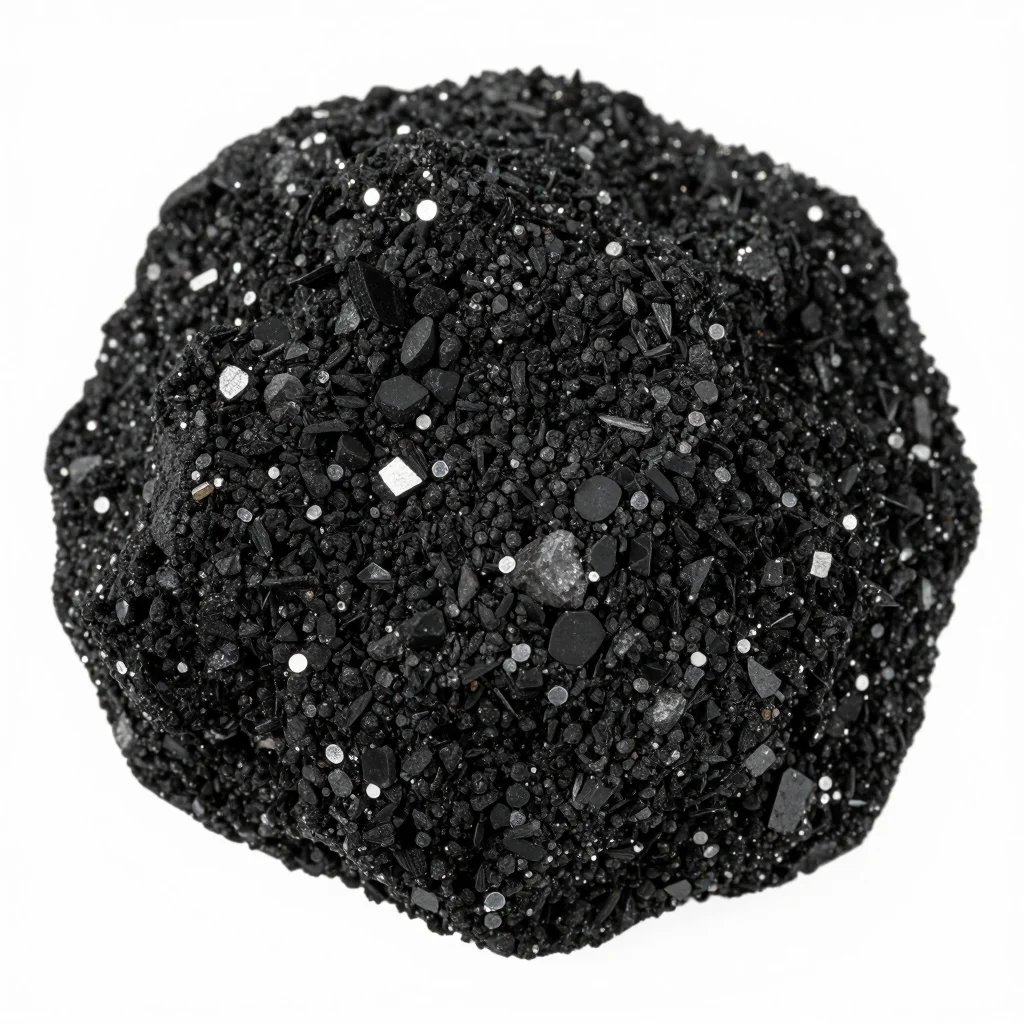
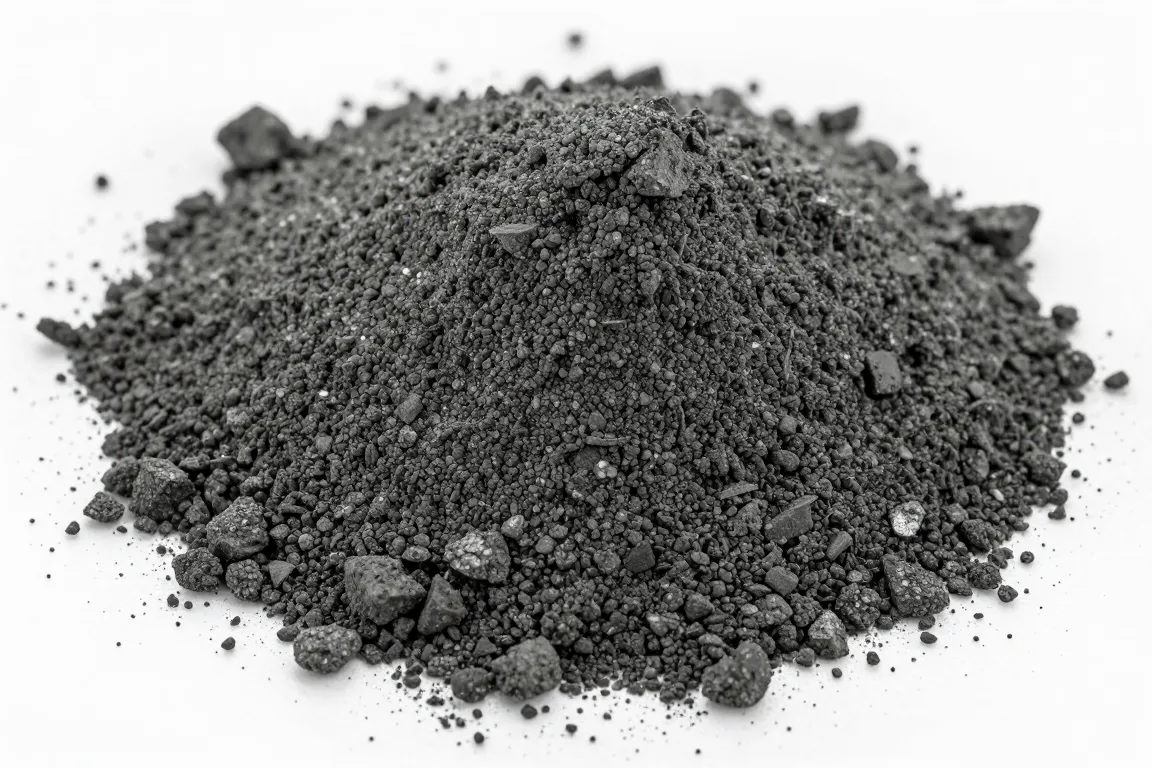
High-purity boron carbide (B4C) with Mohs 9.5 hardness for armor ceramics, nuclear shielding, and extreme wear-resistant applications.
Specifications
- B4C Content
- ≥97%
- Total Boron
- ≥76%
- Total Carbon
- ≥21%
- Bulk Density
- 1.35-1.55 g/cm³
Features
- •Extreme hardness (Mohs 9.5, 3rd hardest after diamond and CBN)
- •Low density (2.52 g/cm³)
- •Excellent neutron absorption capability
- •High chemical stability and corrosion resistance
- •Superior wear resistance
Applications
Industries
Boron carbide (B4C) is one of the hardest synthetic materials available, surpassed only by diamond and cubic boron nitride (CBN). It is produced through the carbothermal reduction of boric oxide (B2O3) with carbon in an electric arc furnace at temperatures exceeding 2,000°C. The resulting fused mass is crushed, milled, and classified into precisely controlled particle sizes. This production route yields a material with a unique combination of extreme hardness, very low density, and excellent neutron absorption cross-section.
The defining advantage of boron carbide is its hardness-to-weight ratio. At Mohs 9.5 with a density of only 2.52 g/cm³, it provides outstanding ballistic performance in armor systems where weight is critical. Beyond defense applications, boron carbide’s chemical inertness and wear resistance make it the material of choice for abrasive blasting nozzles, mechanical seal faces, and lapping compounds used to finish other hard materials. Its high neutron capture cross-section also makes it indispensable in nuclear reactor control systems and spent fuel storage.
For procurement professionals, the key quality parameters are B4C phase purity, total boron and carbon content, and particle size distribution. Reputable suppliers provide lot-specific certificates of analysis (COA) confirming B4C content ≥97% and controlled impurity levels. For fine and sub-micron grades, particle size consistency is the primary differentiator between suppliers, as inconsistent grading can cause uneven material removal rates in precision lapping applications.