Black Silicon Carbide
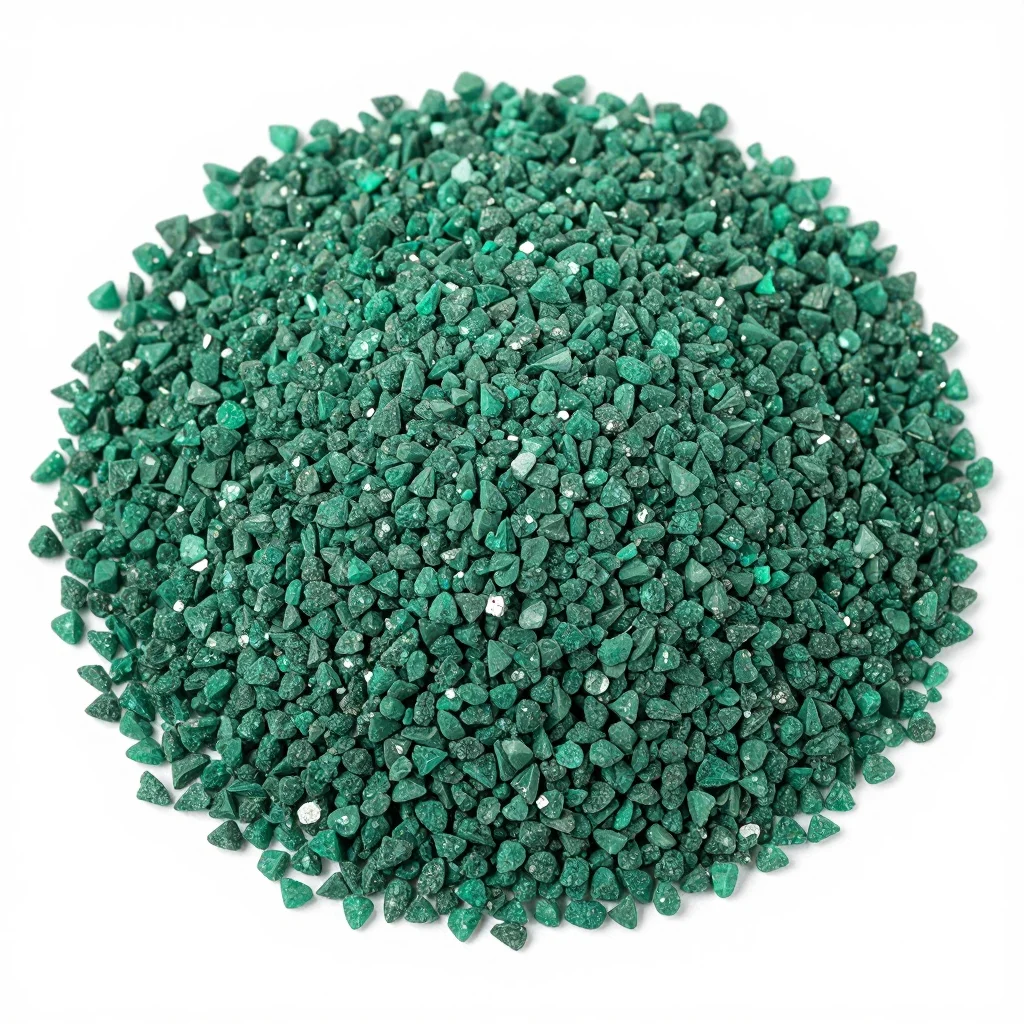
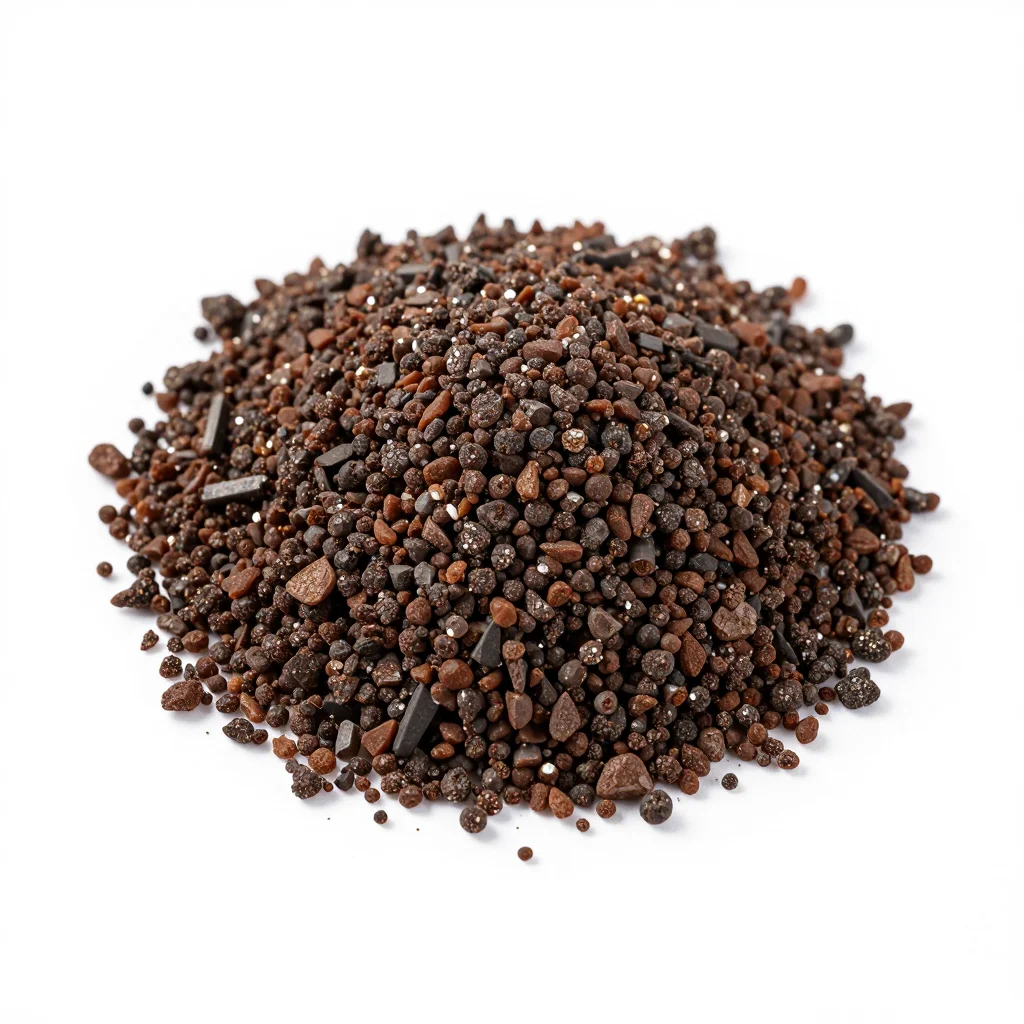
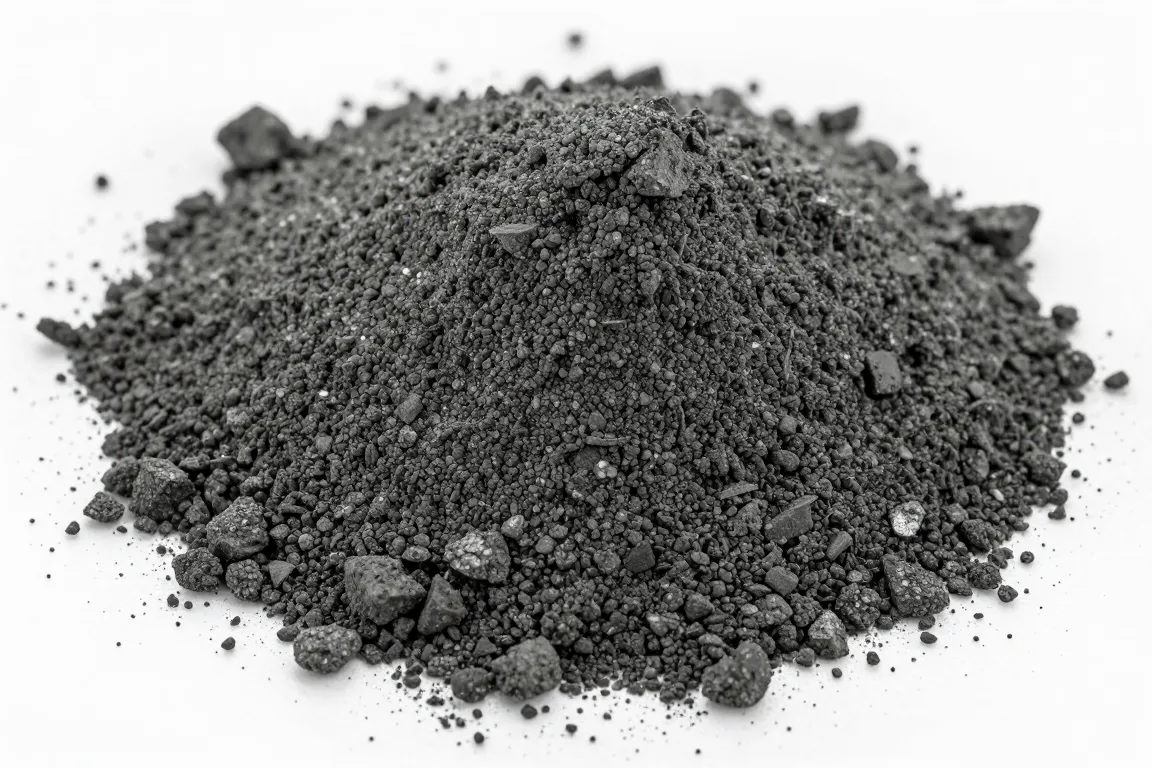
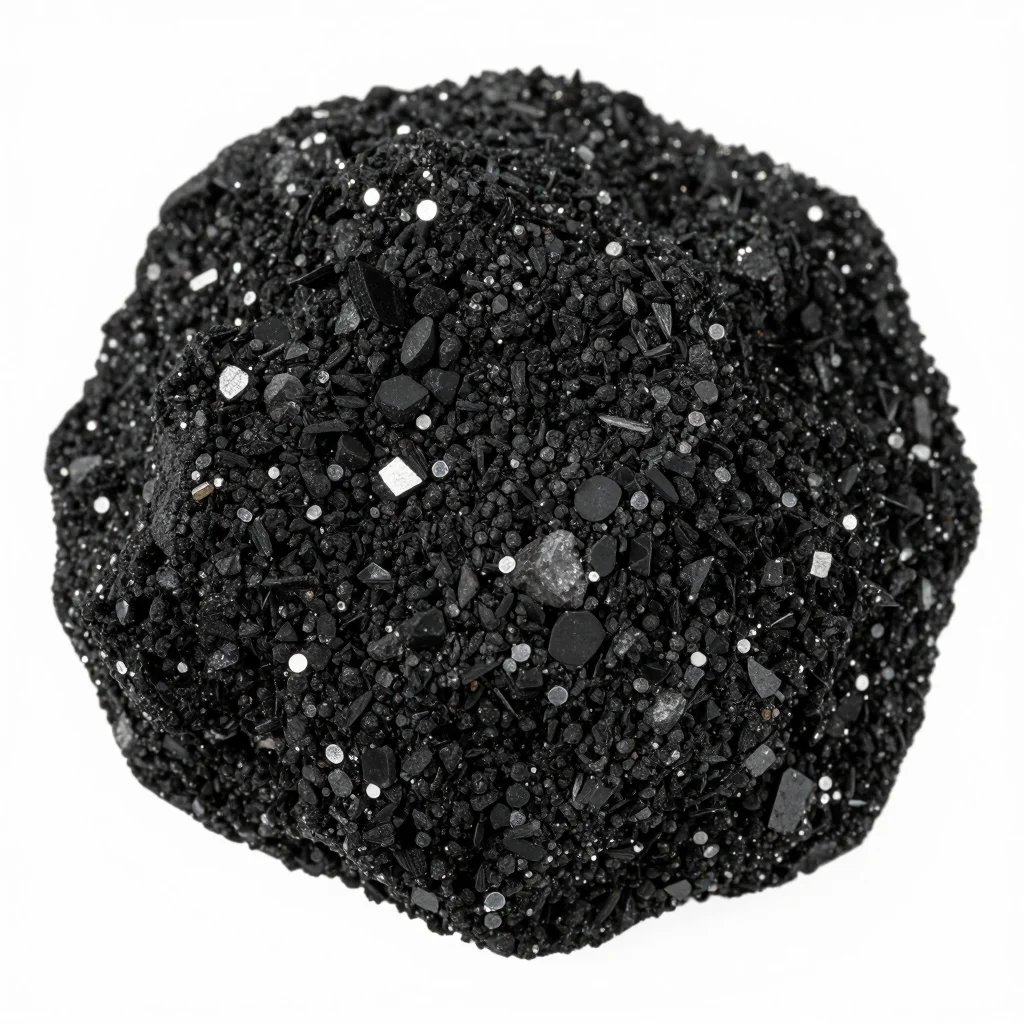
Extremely hard black silicon carbide abrasive with sharp crystal edges for aggressive grinding, cutting, and blasting.
Specifications
- SiC
- ≥98%
- Free Carbon
- ≤0.3%
- Bulk Density
- 1.45-1.65 g/cm³
Features
- •Extreme hardness (Mohs 9.5)
- •Sharp crystal edges
- •Excellent thermal conductivity
- •Chemical inertness
Applications
Industries
Black silicon carbide is typically produced through the Acheson process, where silica sand and petroleum coke are reacted at very high temperatures in an electric resistance furnace. The resulting crystalline material is crushed, purified, and classified into the required grit or powder sizes. This process creates a very hard, angular abrasive with high thermal conductivity and strong chemical stability, making it suitable for demanding cutting and grinding tasks.
With hardness around Mohs 9.5, black SiC cuts more aggressively than many alumina-based abrasives and performs especially well on non-ferrous metals, stone, glass, and silicon-based materials. Its sharp crystal edges support fast material removal, while its thermal conductivity helps move heat away from the grinding zone. However, compared with tougher abrasives, silicon carbide is more brittle, which can be an advantage in precision cutting but a limitation in applications requiring maximum grain durability.
When comparing abrasive options, black silicon carbide is often selected for sharper cutting and harder workpiece materials, while fused alumina grades are often preferred where toughness and longer grain life are more important. Buyers should evaluate crystal quality, friability, and impurity control to ensure consistent performance in wafer sawing, stone processing, blasting, and specialty grinding operations.