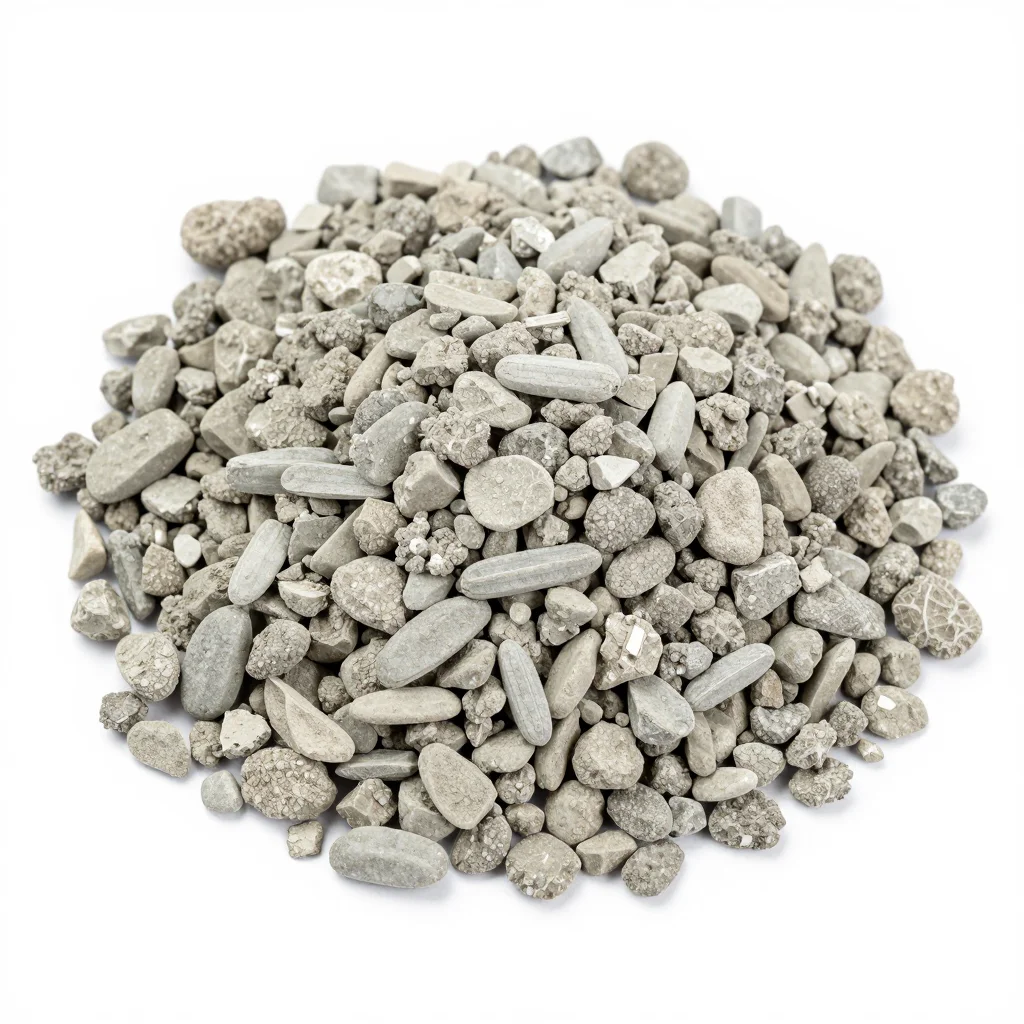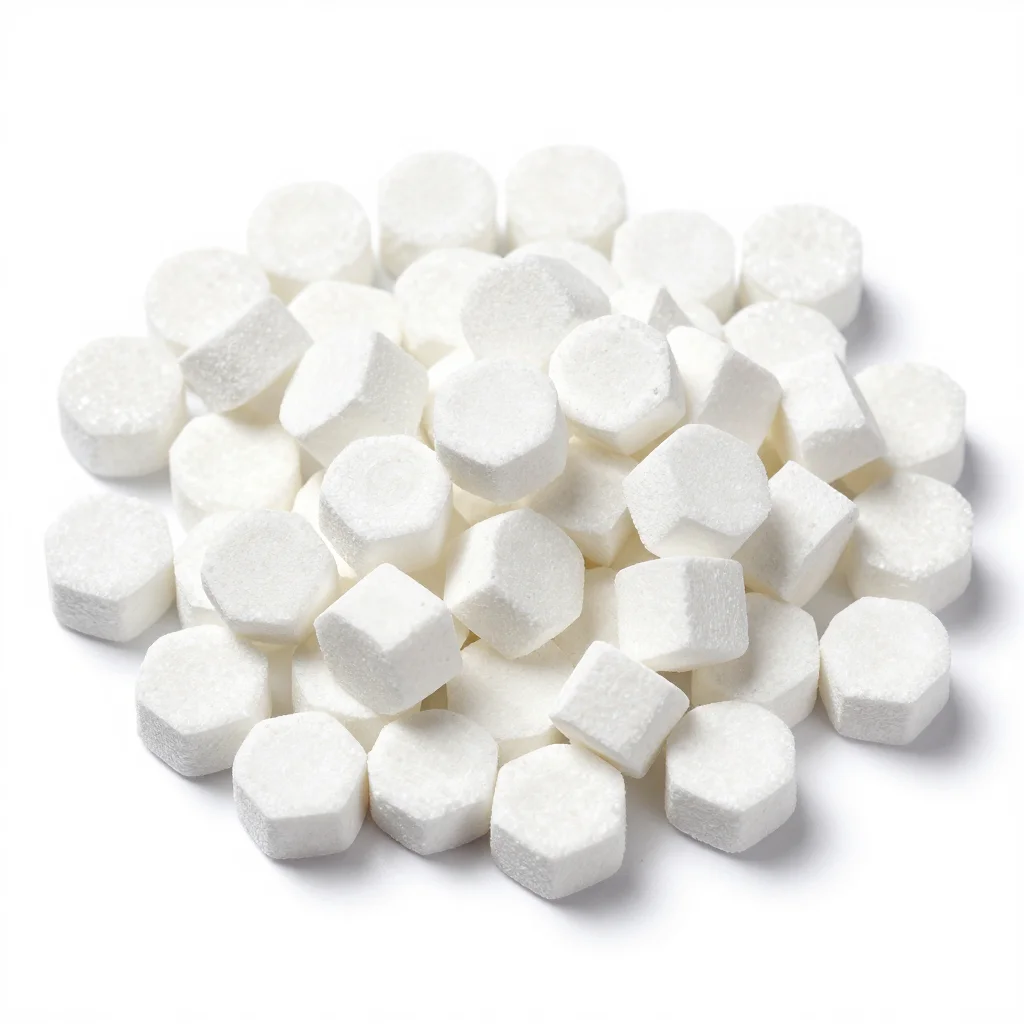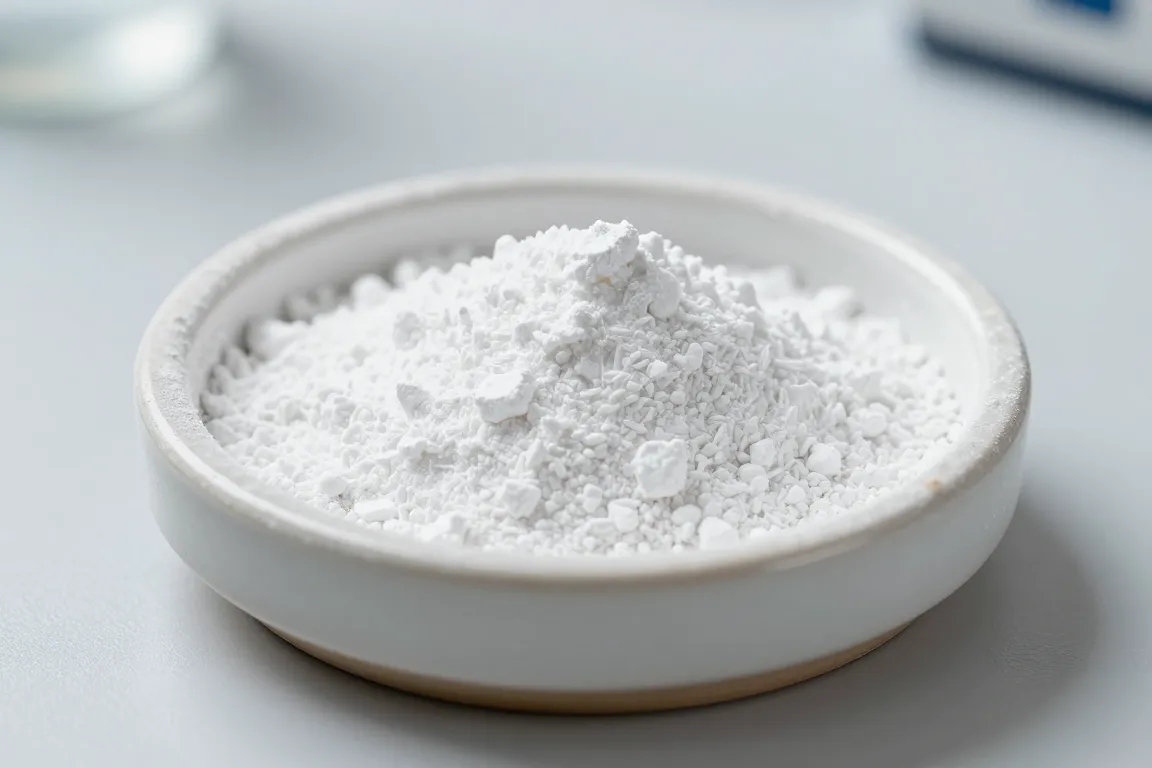
Zirconia (Zirconium Oxide)
High-purity stabilized zirconia (ZrO2) with exceptional temperature resistance up to 2,700°C for refractory, investment casting, and advanced ceramic applications.
Specifications
- ZrO2 Content
- ≥94.5% (stabilized)
- Y2O3 Content
- 5.3% (±0.3%)
- Bulk Density
- 1.0-1.6 g/cm³
- Melting Point
- ~2,700°C
Features
- •Ultra-high temperature resistance (melting point ~2,700°C)
- •Low thermal conductivity (2.0 W/m·K)
- •Excellent corrosion resistance against molten metals and slags
- •Phase transformation toughening for enhanced mechanical strength
- •High ionic conductivity for sensor applications
Applications
Industries
Zirconia (zirconium dioxide, ZrO2) is a high-performance technical ceramic valued primarily for its extreme temperature resistance and unique toughening mechanism. Pure zirconia undergoes disruptive phase transformations during heating and cooling, so commercial grades are stabilized — most commonly with yttria (Y2O3) at 5–8 wt% — to produce yttria-stabilized zirconia (YSZ) with a stable cubic or tetragonal crystal structure. This stabilization process is critical: it prevents the destructive volume change that would otherwise cause cracking during thermal cycling.
The material’s standout properties are its exceptionally high melting point (~2,700°C) and very low thermal conductivity (approximately 2.0 W/m·K at room temperature). These characteristics make YSZ the material of choice for thermal barrier coatings on gas turbine blades, where it enables higher operating temperatures and improved engine efficiency. In the refractory sector, zirconia-based bricks and castables provide outstanding resistance to molten metal and slag attack in steel ladles, glass furnace linings, and non-ferrous metal processing vessels. For investment casting of nickel-based superalloys, zirconia shell systems offer the thermal stability and inertness needed for complex aerospace and power generation components.
When sourcing zirconia, buyers should specify the stabilization type (fully stabilized FSZ vs. partially stabilized PSZ), yttria content, particle size distribution, and phase composition. The price gap between commodity refractory-grade and high-purity ceramic-grade zirconia is substantial, so verifying the COA against specification requirements is essential. For thermal cycling applications, request data on phase stability and monoclinic content after multiple heating/cooling cycles, as this directly correlates with in-service performance and component lifetime.