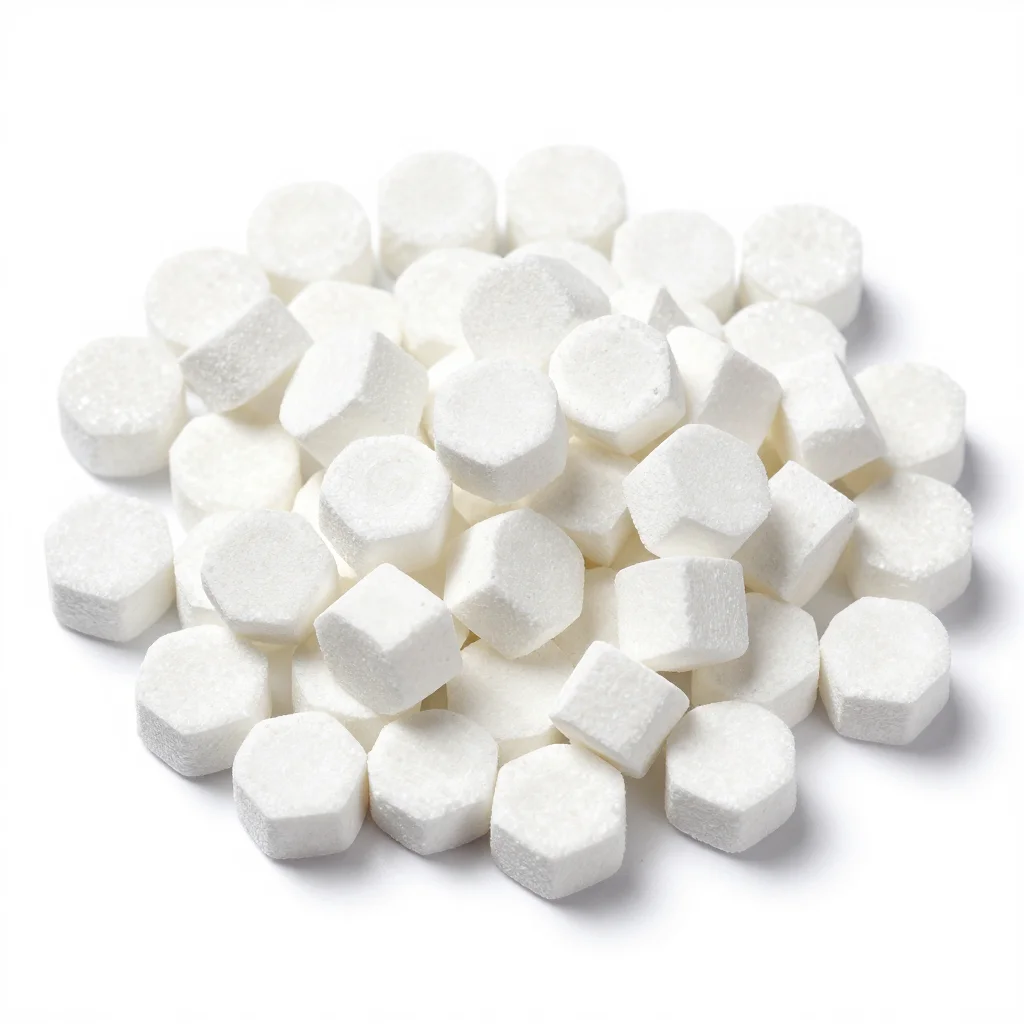
Tabular Alumina
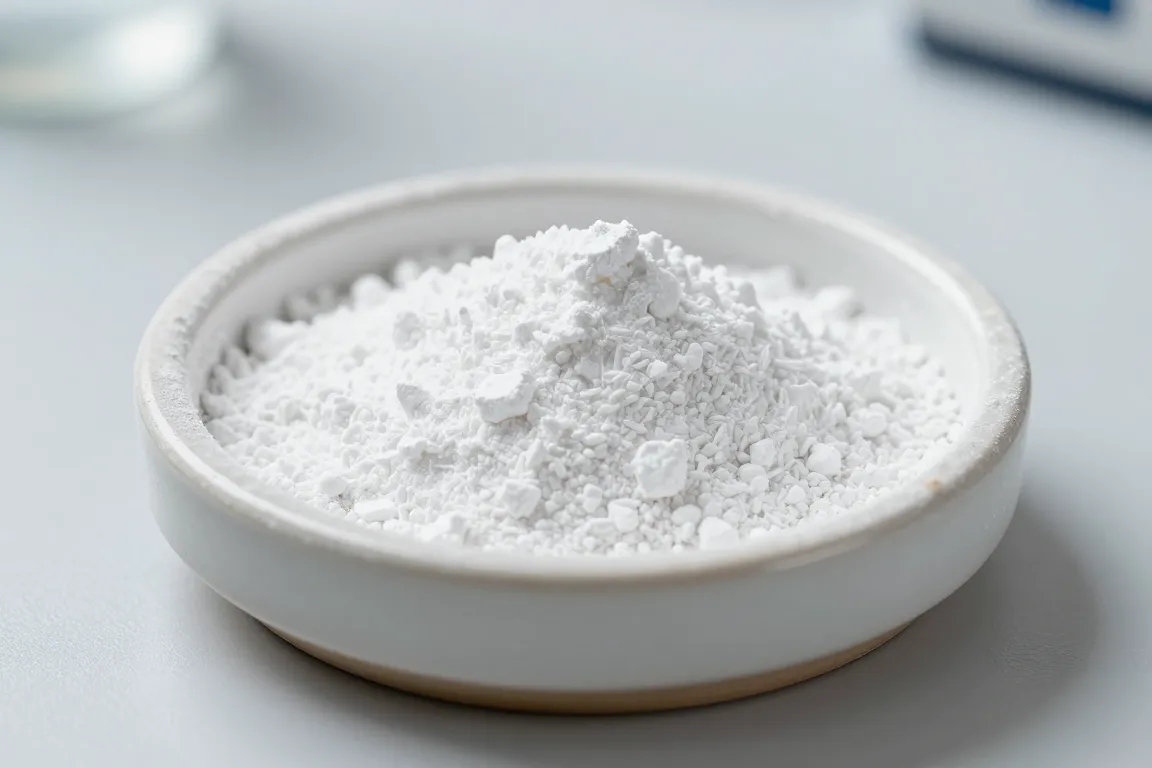
High-density tabular alumina sintered at 1900°C for refractory systems requiring thermal shock resistance and low porosity.
Specifications
- Al2O3
- ≥99.5%
- Bulk Density
- ≥3.50 g/cm³
- Water Absorption
- ≤1.0%
Features
- •Extreme thermal shock resistance
- •High density
- •Low porosity
- •Excellent creep resistance
Applications
Industries
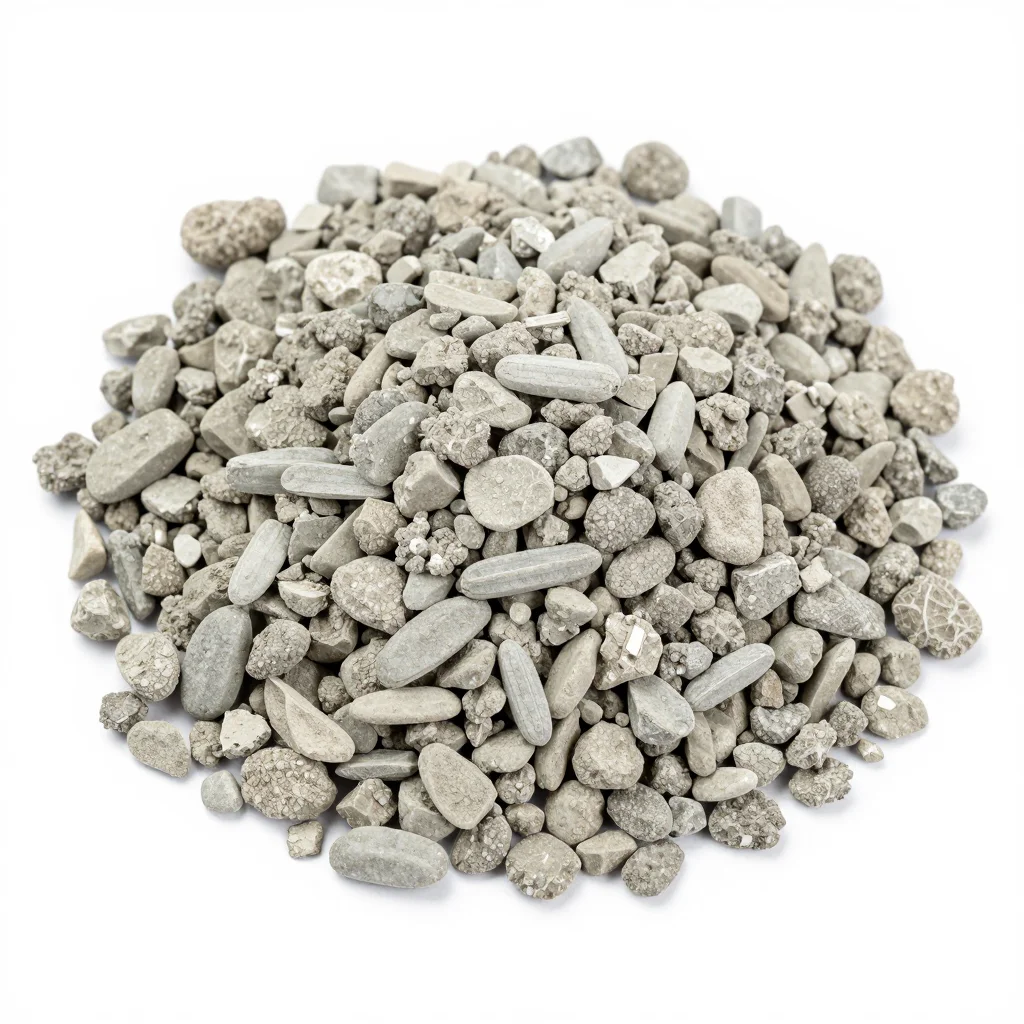
Tabular alumina is manufactured by rapidly firing selected calcined alumina at temperatures around 1900°C until it is fully sintered into large, well-developed alpha-alumina crystals. Unlike fused products, tabular alumina is not melted. Instead, the sintering process produces a dense, stable structure with very low open porosity and excellent volume stability. After firing, the material is crushed and graded to meet refractory and ceramic application requirements.
These structural characteristics are the reason tabular alumina is preferred in severe high-temperature environments. High density and low water absorption support stronger refractory formulations, while excellent thermal shock resistance helps components survive repeated heating and cooling cycles. It also offers strong creep resistance, making it suitable for applications such as slide gates, kiln furniture, ceramic rollers, and premium castables used in steel, petrochemical, and glass operations.
When evaluating tabular alumina, buyers should look beyond nominal alumina content and review bulk density, porosity control, and sintering consistency. In critical refractory systems, those factors have a direct effect on service life, thermal spalling resistance, and overall operating reliability, especially where shutdowns or maintenance failures carry high production costs.