What Is Bauxite? Grades, Specifications & Industrial Sourcing Guide
For refractory, abrasive, and high-alumina materials buyers, bauxite is a foundational upstream raw material. Yet many procurement issues do not come from obvious chemistry failures; they come from grade inconsistency, unstable physical properties, and weak mine-to-factory quality control.
This article explains what bauxite is, how industrial grades are classified, which technical specifications matter most for B2B purchasing, where it is used, and how to build a lower-risk sourcing strategy.
What Is Bauxite?
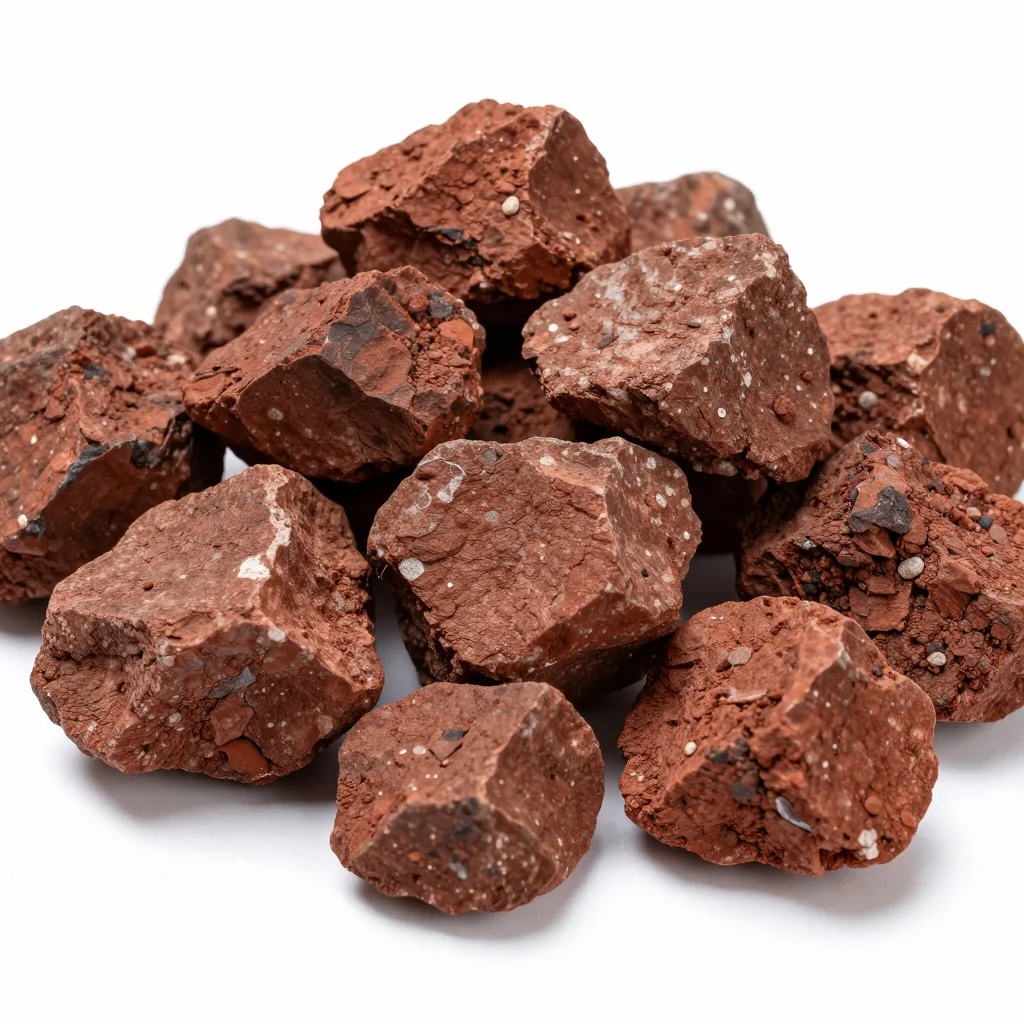
Bauxite is a naturally occurring aluminum-rich ore composed mainly of hydrated alumina minerals (such as gibbsite, boehmite, and diaspore), along with varying levels of silica, iron oxides, and titanium-bearing phases.
In industrial mineral supply chains, buyers typically encounter two relevant forms:
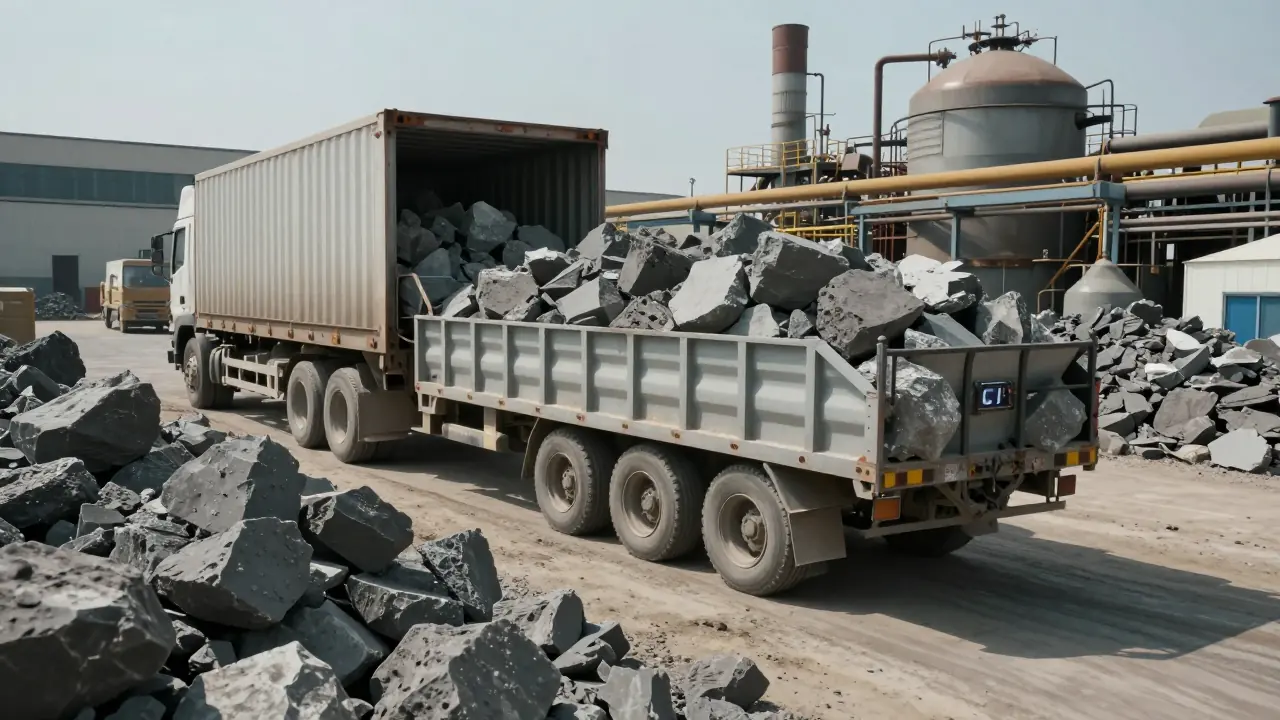
- Raw bauxite ore (mined and sized)
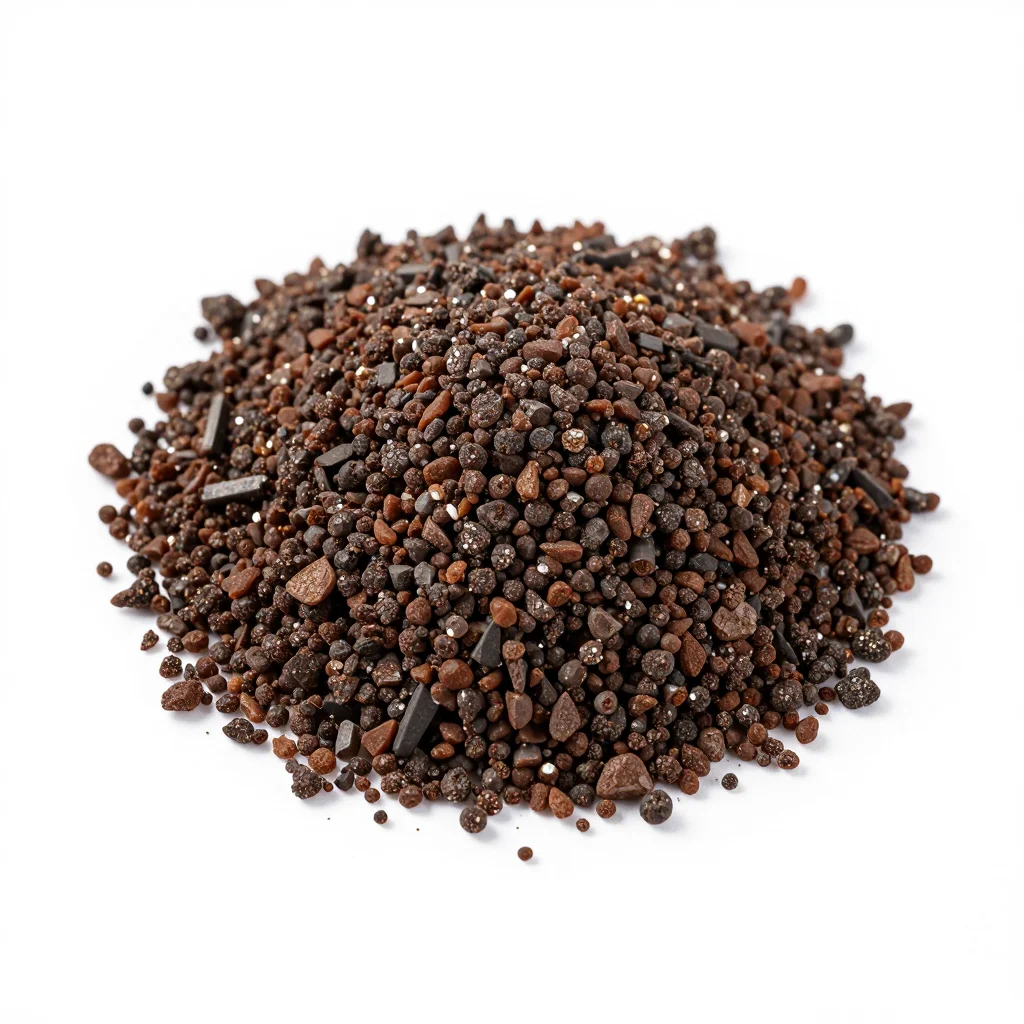
- Calcined bauxite (heat-treated to reduce volatiles and improve refractoriness)
For many refractory and abrasive applications, calcined bauxite is preferred because thermal treatment improves density, mechanical stability, and high-temperature behavior.
Key Specifications for Industrial Buyers
Specification priorities vary by end use (refractory castable vs abrasive feedstock vs cement), but the following checklist is common in RFQs and technical agreements.
| Parameter | Typical Industrial Focus | Why It Matters |
|---|---|---|
| Al₂O₃ | Higher is generally better for high-alumina uses | Determines refractoriness and value-in-use |
| Fe₂O₃ | Controlled upper limit | Excess iron can reduce performance in some applications |
| SiO₂ (especially reactive silica) | Tight control required | Strong impact on refractory behavior and slag resistance |
| TiO₂ | Application-dependent tolerance | Influences mineralogy and downstream processing |
| Bulk Density | Grade-specific target | Affects castable design, packing, and final properties |
| Refractoriness / RUL-related behavior | Verified for high-temp uses | Critical for furnace and steelmaking service life |
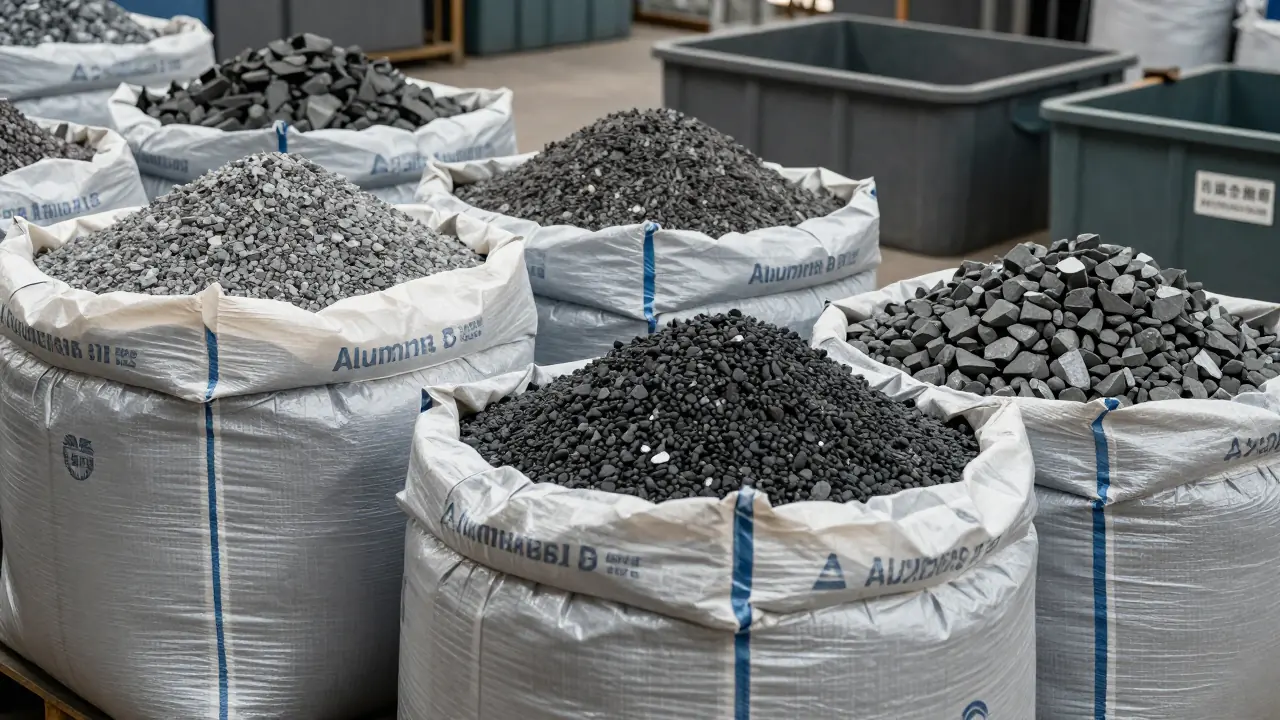
| Size Distribution | Narrow, consistent fractions | Supports stable batching and process repeatability |
| Moisture / LOI | Controlled during logistics and storage | Prevents handling and formulation variability |
Typical Commercial Grade Positioning
- Medium grades: balance cost and performance for standard refractories and cement systems
- High-alumina grades: used where higher thermal and chemical performance is required
- Customized blends: used to hit specific density and particle packing targets
In practice, buyers should evaluate both chemistry and physical behavior. Two lots with similar Al₂O₃ may still perform differently if mineral phase composition or calcination quality differs.
Main Applications of Bauxite
1) Refractory Castables and Bricks
Calcined bauxite is widely used as aggregate and raw feed in monolithic refractories and shaped products. It supports high-temperature service in steel, foundry, and cement sectors.
2) Abrasive Raw Material Chain
Bauxite is a major upstream input for fused alumina production routes, including brown fused alumina. Consistent ore quality helps stabilize downstream smelting and final abrasive performance.
3) High-Alumina Cement and Construction Materials
Selected bauxite grades are used in specialty cements and related high-alumina systems where chemistry control directly affects setting and high-temperature properties.
4) Foundry and Other Industrial Mineral Uses
Depending on grade and local standards, bauxite also appears in foundry and engineered mineral formulations requiring controlled thermal behavior and stable supply.
Sourcing and Purchasing Considerations
Start with a Fit-for-Use Grade Definition
Avoid generic “high alumina bauxite” purchasing language. Define:
- End-use process (castable, abrasive feed, cement, etc.)
- Minimum chemistry and maximum impurity limits
- Physical targets (density, size bands, moisture)
- Required consistency window across shipments
Evaluate Supplier Quality Systems, Not Only Spot Assay
A strong supplier should provide:
- Lot-level COA with method traceability
- Mine-source and blending consistency information
- Calcination process control records (for calcined grades)
- Retained sample policy and dispute protocol
- Change-notification commitment for ore source/process updates
Manage Logistics as a Technical Variable
For bulk minerals, transport and storage conditions can alter received quality (especially moisture and contamination risk). Align on:
- Bagging or bulk format
- Liner and pallet standards
- Port/loading contamination controls
- Arrival inspection method and acceptance window
Use a Structured Qualification Workflow
For new suppliers, stage qualification in three steps:
- Document review (chemistry, PSD, history)
- Pilot lot trial in your actual process
- Stability confirmation across multiple shipments
This approach reduces the chance of successful first-lot trials followed by later performance drift.
Frequently Asked Questions
Is all bauxite suitable for refractory production?
No. Refractory suitability depends on chemistry, mineral phase composition, calcination quality, and density/size control. Ore labeled “bauxite” can vary significantly by source.
What is the difference between raw and calcined bauxite?
Calcined bauxite is heat-treated to remove volatiles and improve high-temperature properties. It is typically more suitable for demanding refractory and industrial uses than untreated ore.
Why can two lots with similar Al₂O₃ perform differently?
Because performance also depends on impurity profile, phase composition, calcination consistency, and particle characteristics. Al₂O₃ alone is not enough for qualification.
Should I prioritize lowest price per ton?
Usually no. For industrial production, total cost of ownership matters more: consistency, yield impact, furnace life, and rework/scrap risk can outweigh unit price differences.
How is bauxite connected to fused alumina purchasing?
Bauxite is a key upstream feedstock in fused alumina value chains. Stable bauxite quality supports more stable fused abrasive performance and procurement planning.
Planning a More Reliable Bauxite Supply?
If your team needs better lot consistency and clearer technical-commercial controls, we can help structure specifications and qualification workflows for your target applications.
Explore product details: Bauxite.
You can also review how bauxite feeds downstream abrasive systems in our brown fused alumina guide and compare high-temperature raw material roles in our tabular alumina guide.
For quotation support, contact our team with your target chemistry, size range, density requirements, and intended end use.