What Is Brown Fused Alumina? Production, Uses & Specifications
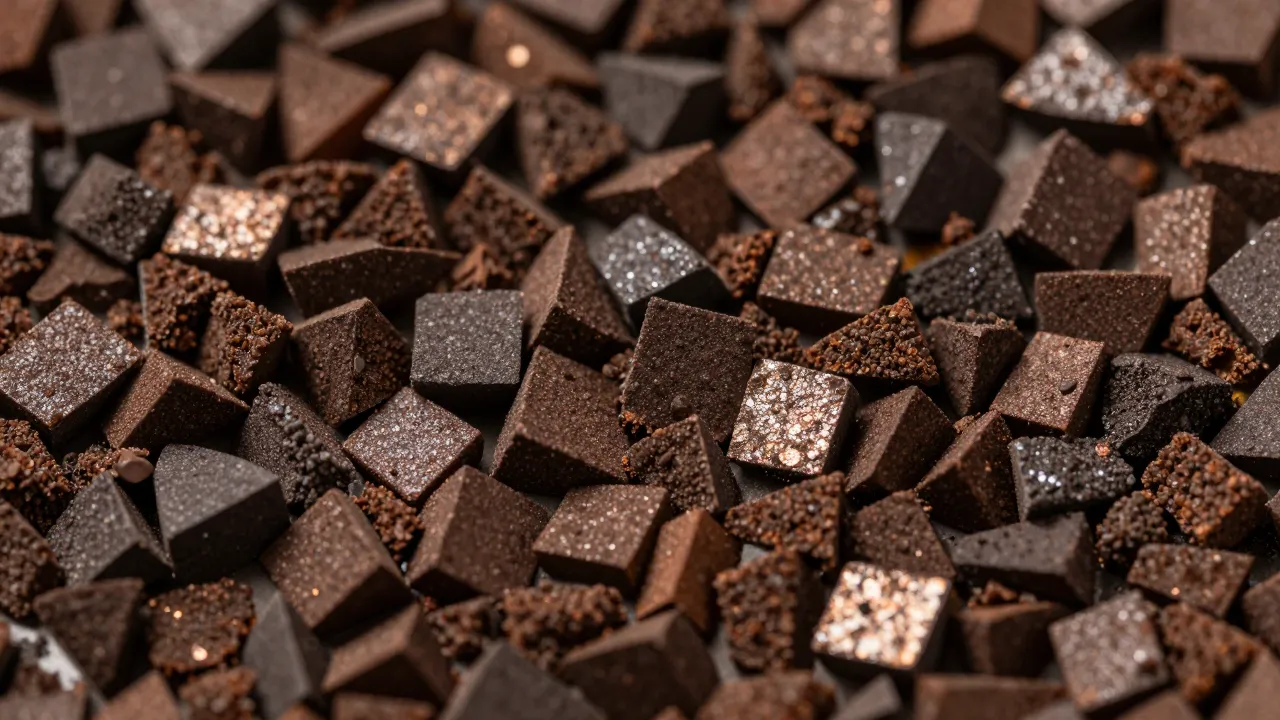
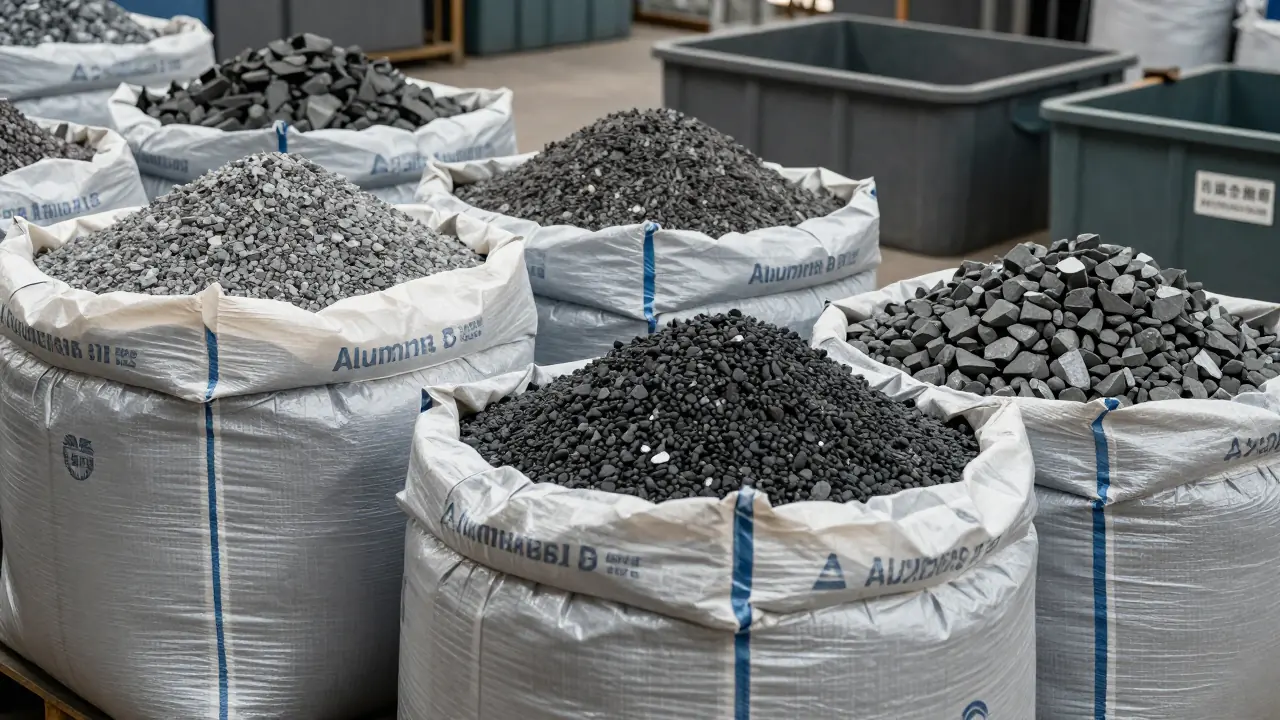
When abrasive buyers need a tough, cost-effective grain that can handle heavy stock removal without breaking the budget, brown fused alumina (BFA) is usually the first choice. It accounts for the largest share of fused alumina production globally and serves as the workhorse abrasive in foundries, steel mills, fabricating shops, and blast cleaning operations.
This article covers the production process, technical specifications, grit size selection, and real-world applications where BFA delivers the best value. If you are evaluating suppliers or writing a new specification, the data here will help you qualify material quickly.
What Is Brown Fused Alumina?
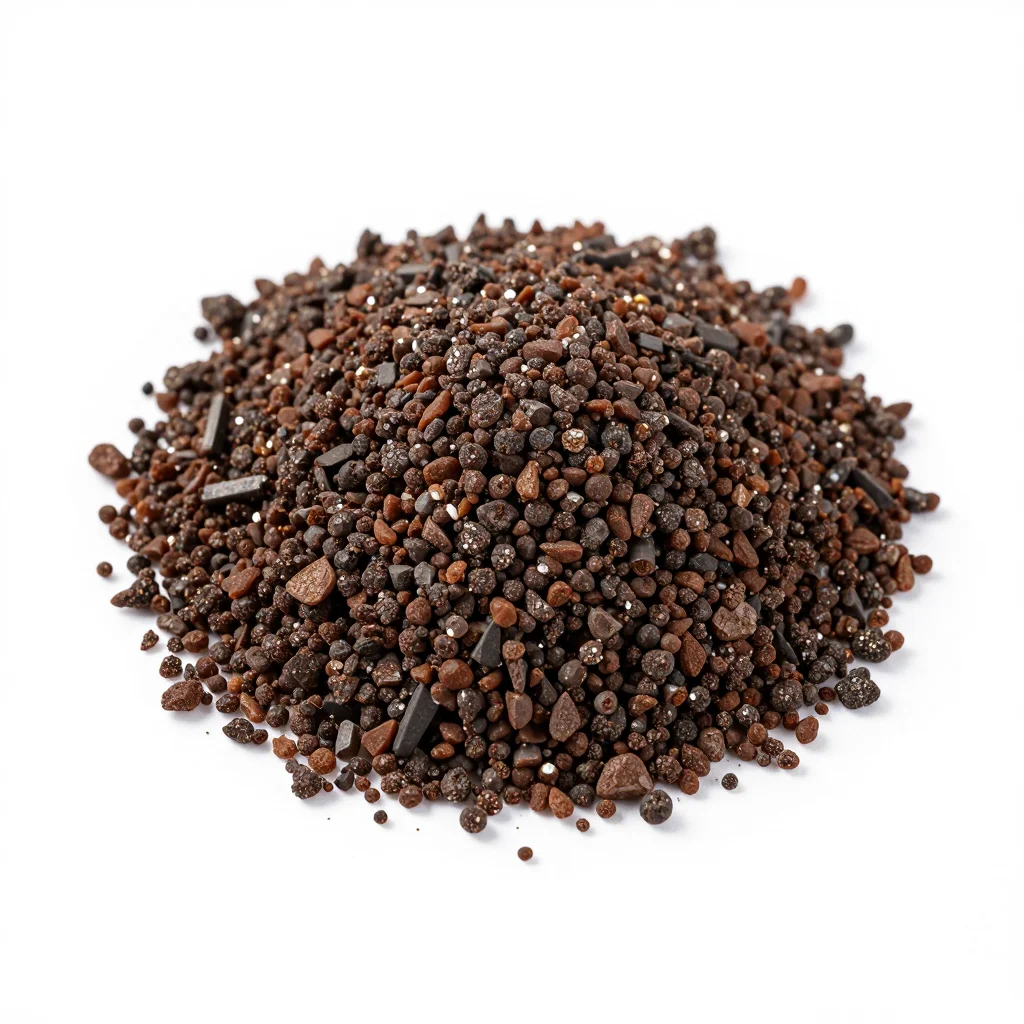
Brown fused alumina is a synthetic abrasive and refractory material produced by smelting calcined bauxite in an electric arc furnace at approximately 2,000°C. The bauxite raw material naturally contains aluminum oxide along with titanium dioxide, iron oxide, and silica — and these impurities remain in the finished product, giving BFA its characteristic brown color and distinctive toughness.
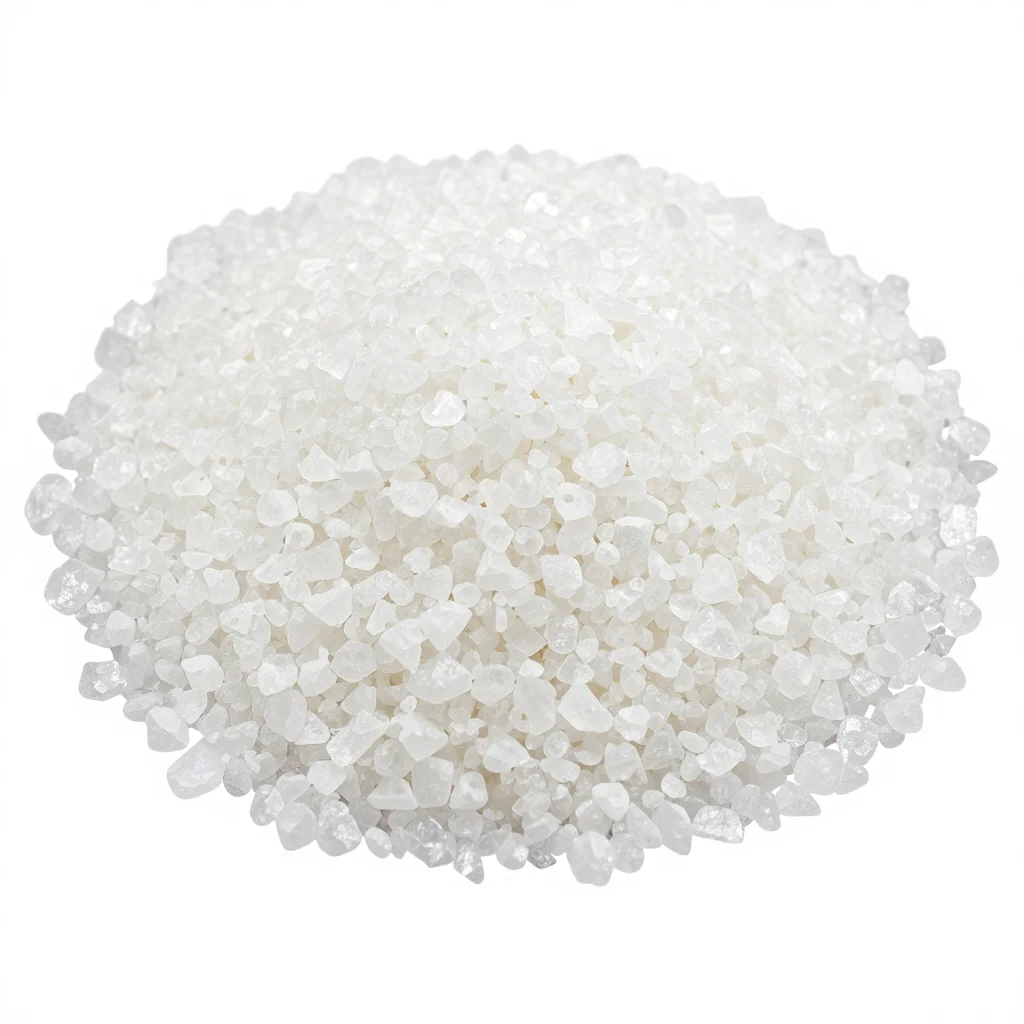
The key distinction from white fused alumina is purity: BFA contains Al₂O₃ ≥95% compared to WFA’s ≥99.5%. The remaining 5% consists primarily of TiO₂ (1.5–3.8%), SiO₂, and Fe₂O₃. While this lower purity rules out certain precision applications, it provides a significant benefit: titanium acts as a toughening agent, making BFA grains more resistant to impact fracture.
Production Process
- Raw material preparation: Calcined bauxite (sintered at 1,400–1,500°C) is crushed and blended with carbon (coke or coal) as a reducing agent
- Furnace smelting: The blend feeds into a tilt-pour electric arc furnace. At ~2,000°C, impurities (silica, iron oxide) are reduced and separate as a slag layer
- Cooling and crushing: The molten alumina is poured into molds and cooled over 24–48 hours, then crushed in jaw crushers and roll mills
- Screening and grading: Crushed grain is screened to FEPA, ANSI, or JIS grit size standards
- Optional processing: Magnetic separation to remove free iron, washing for cleanliness, and calcining for refractory-grade material
The entire process is energy-intensive but yields a consistent, high-volume abrasive at a competitive cost point.
Key Specifications
| Parameter | Typical Value | Notes |
|---|---|---|
| Al₂O₃ content | ≥95% | Primary specification for quality grading |
| TiO₂ content | 1.5–3.8% | Acts as toughening agent; higher TiO₂ = tougher grain |
| Fe₂O₃ content | ≤0.1% | Lower is better for non-ferrous applications |
| SiO₂ content | ≤1.5% | Affects refractory performance at high temperatures |
| Bulk density | 1.65–1.90 g/cm³ | Depends on grain shape and size fraction |
| Mohs hardness | 9 | Same as WFA — both are corundum |
| Melting point | ~2,050°C | Suitable for most refractory applications |
| True density | ~3.95 g/cm³ | Slightly lower than WFA due to impurity content |
The TiO₂ content is the distinguishing parameter. Higher titanium levels (2.5–3.8%) produce tougher, more durable grains preferred for heavy grinding. Lower titanium levels (1.5–2.0%) yield slightly sharper grains used in coated abrasives. When sourcing, specify the TiO₂ range appropriate for your application.
Main Applications
Grinding Wheels and Bonded Abrasives
BFA is the dominant grain in vitrified and resin-bonded grinding wheels for general-purpose metal grinding. Its toughness means the grains resist premature fracture under heavy feed rates, providing:
- Consistent material removal rates on carbon steel, cast iron, and low-alloy steel
- Longer wheel life compared to more friable grains
- Good form-holding in cylindrical and surface grinding operations
For carbon steel workpieces, BFA grinding wheels typically outperform WFA wheels on cost-per-part, even though WFA cuts sharper initially.
Abrasive Blasting
BFA is widely used as a blast media for:
- Removing rust, scale, and old coatings from structural steel
- Preparing surfaces for painting, coating, or welding
- Cleaning castings and forgings
- Etching stone and concrete surfaces
Its combination of hardness, toughness, and relatively low cost makes it the standard blast media for shipyards, bridge maintenance, and structural steel fabrication. However, for stainless steel and non-ferrous metals, white fused alumina is preferred to avoid ferrous contamination.
Refractory Materials
BFA serves as a refractory aggregate in:
- High-alumina bricks for furnace linings and incinerators
- Refractory castables and gunning mixes
- Kiln furniture and crucibles
- Refractory mortars and ramming mixes
At ≥95% Al₂O₃, BFA-based refractories provide excellent resistance to slag attack and thermal shock in standard-duty applications. For critical hot-face applications, tabular alumina or fused mullite may be specified for superior performance.
Coated Abrasives
BFA grains are bonded to paper, cloth, and fiber backings to produce sandpaper, abrasive belts, and flap discs. Common uses include:
- Metal deburring and finishing
- Wood sanding in furniture manufacturing
- Paint and rust removal by hand or orbital tools
The blocky grain shape provides good abrasive life on flexible backings, and the lower cost compared to WFA makes BFA-coated abrasives competitive for high-volume applications.
Grit Size Selection
BFA is available across the full range of abrasive grit sizes:
| Application | Typical FEPA Grade | Grain Size Range |
|---|---|---|
| Rough grinding / snagging | F12–F24 | 1.7–0.7 mm |
| General grinding | F30–F54 | 0.7–0.25 mm |
| Medium grinding | F60–F120 | 0.25–0.1 mm |
| Fine grinding / finishing | F150–F220 | 100–45 μm |
| Micro finishing | F240–F1200 | 45–3 μm |
For grinding wheels, F30–F60 covers most general-purpose applications. For blast cleaning, F16–F46 is standard depending on the required surface profile.
Purchasing Considerations
Specification Checklist
When writing a BFA purchase specification, include:
- Al₂O₃ minimum (≥95% standard; ≥96% for premium grades)
- TiO₂ range (1.5–3.8% — specify narrow range for consistent performance)
- Fe₂O₃ maximum (≤0.1% standard)
- Bulk density range (affects wheel formulation and blast performance)
- Grit size and FEPA designation
- Magnetic material content (≤0.05% for abrasive-grade; ≤0.02% for refractory-grade)
- Moisture content (≤0.5%)
Quality Verification
- Request per-lot COAs with full chemical analysis
- Test bulk density on incoming material — variations indicate processing inconsistency
- Check particle size distribution, not just nominal grit size
- For critical applications, run a trial grinding test comparing new material against your current baseline
Frequently Asked Questions
Is brown fused alumina the same as aluminum oxide?
Yes and no. BFA is a type of aluminum oxide (Al₂O₃) abrasive, but it is not pure Al₂O₃. It contains ≥95% Al₂O₃ with titanium, iron, and silicon impurities. “Aluminum oxide” is often used loosely to refer to BFA in the abrasive industry, but technically it includes WFA, pink fused alumina, and other Al₂O₃-based grains as well.
How does BFA compare to silicon carbide for grinding?
BFA is tougher and more durable, making it better for grinding metals (especially ferrous metals). Silicon carbide is harder but more brittle, making it better for grinding non-metallic materials like stone, glass, and ceramics. For a detailed three-way comparison, see our WFA vs BFA vs SiC selection guide.
What is the difference between regular BFA and semi-friable BFA?
Regular BFA has higher TiO₂ content (2.5–3.8%) and is tougher. Semi-friable BFA has lower TiO₂ (1.0–2.0%) and fractures more easily, providing sharper cutting action similar to WFA but at lower cost. Semi-friable grades are used in coated abrasives where sharp initial cut matters.
Can BFA be used for stainless steel grinding?
Technically yes, but it is not recommended. The iron and titanium impurities in BFA can embed in stainless steel surfaces, causing contamination and potential corrosion. For stainless steel, white fused alumina is the standard choice.
Ready to Source Brown Fused Alumina?
BFA delivers the toughness, durability, and cost-efficiency that high-volume abrasive and refractory applications demand. Whether you need grinding wheel grain, blast media, or refractory aggregate, the specifications above give you a clear framework for supplier qualification.
Request a BFA quote — we supply standard and semi-friable grades with full COAs, FEPA-standard grit sizes, and consistent bulk density tolerances across production lots.