How to Choose Between WFA, BFA, and SiC for Grinding Applications
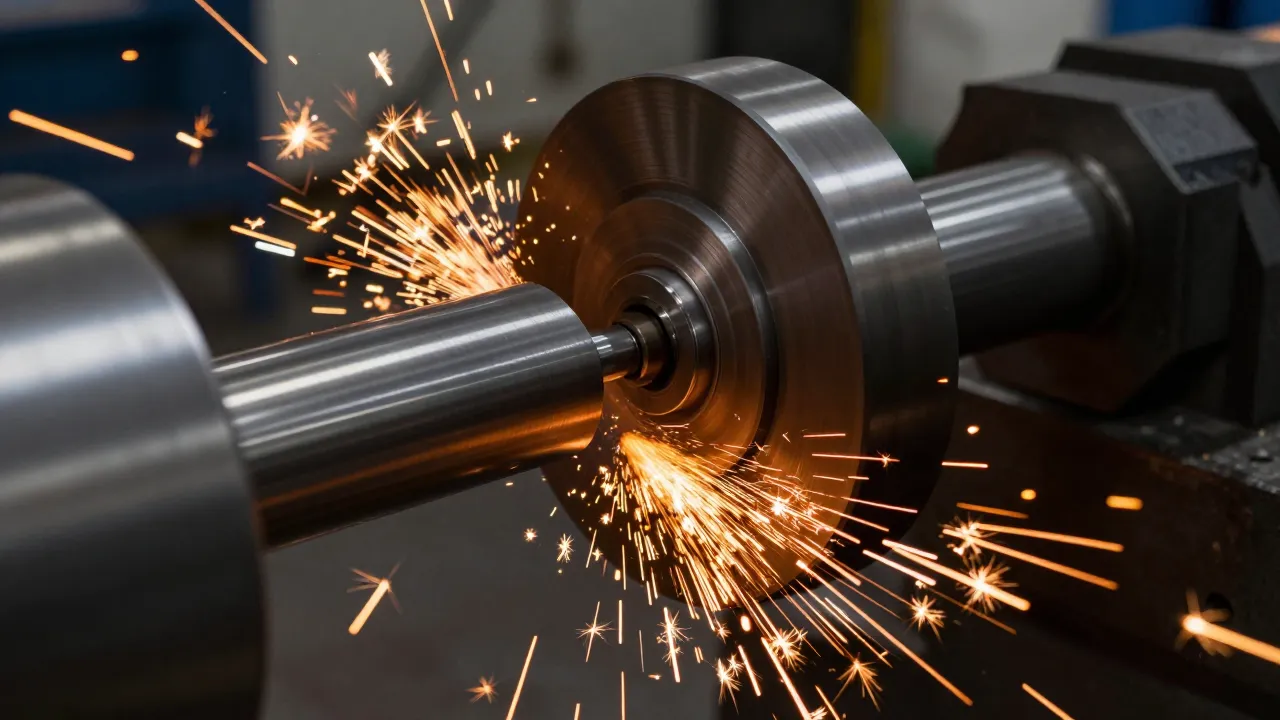
Walk into any abrasive supplier’s catalog and you will see dozens of grinding wheel specifications. But behind the bond types, grit sizes, and grade designations, the choice usually comes down to a single question: which abrasive grain?
For most metal grinding applications, the answer involves one of three materials: white fused alumina (WFA), brown fused alumina (BFA), or silicon carbide (SiC). Each has distinct properties that make it the right choice — or the wrong one — for a given grinding scenario.
This guide provides a practical three-way comparison with real specification data, then gives you clear selection rules for the most common grinding situations.
The Three Contenders
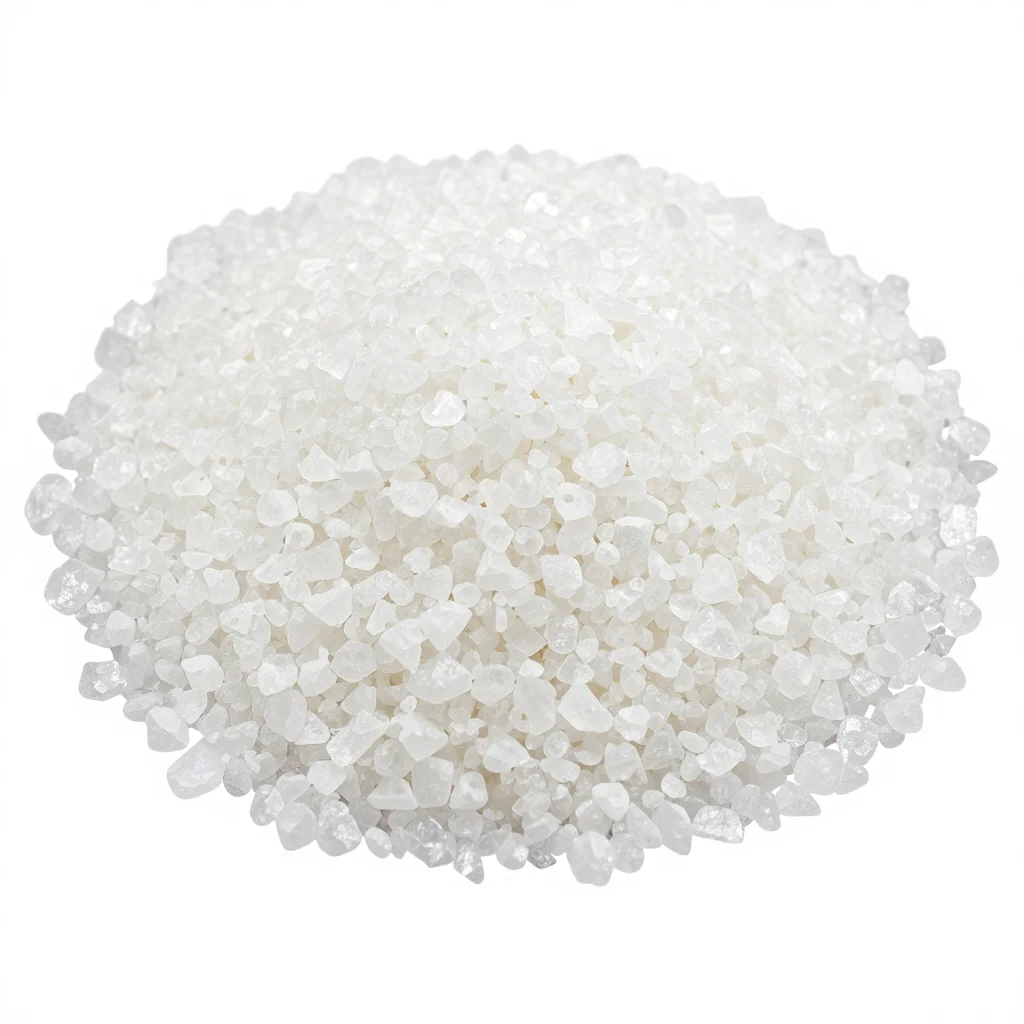
White Fused Alumina (WFA)
- Al₂O₃ ≥99.5%, Fe₂O₃ ≤0.04%
- Mohs 9, high friability, angular grain shape
- Cuts sharp, fractures to expose fresh edges
- Best for: precision grinding, non-ferrous metals, iron-free processing
- Cost: Moderate-high (~1.5–2x BFA)
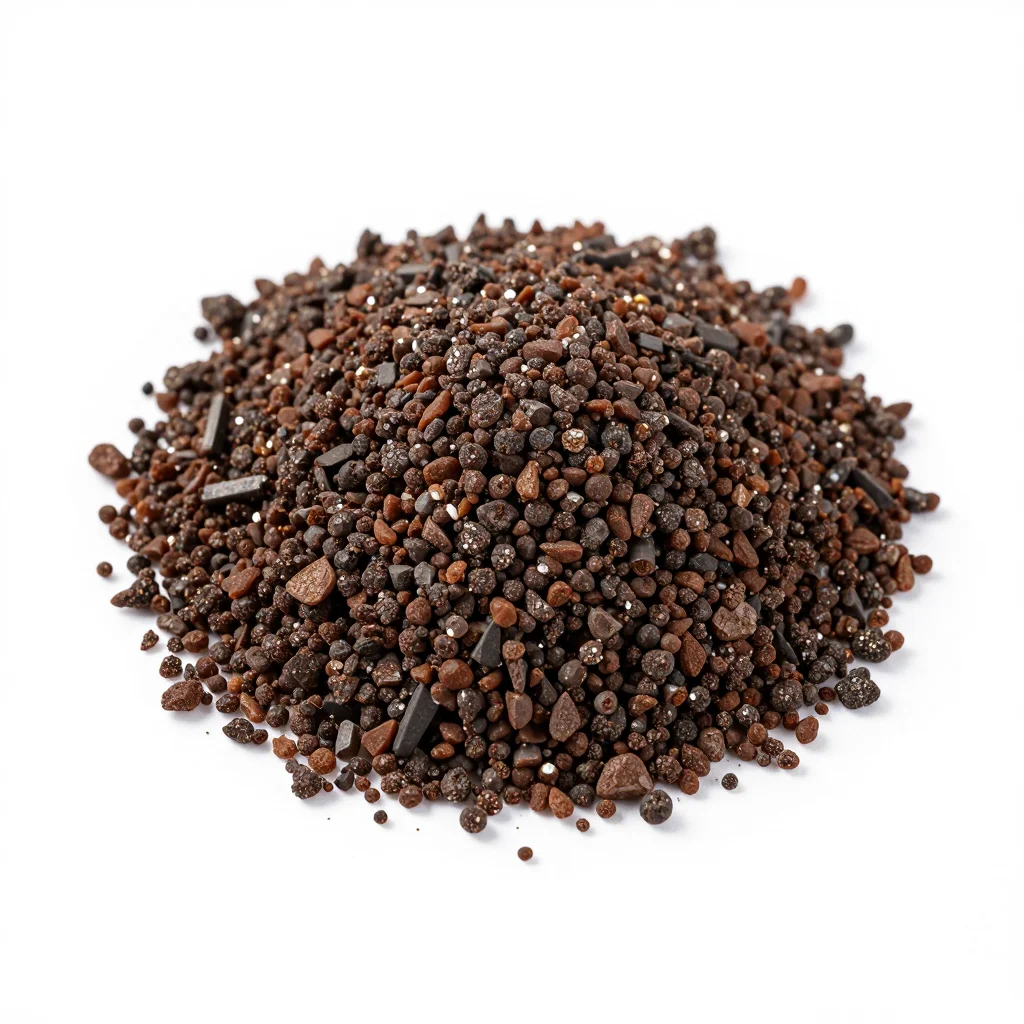
Brown Fused Alumina (BFA)
- Al₂O₃ ≥95%, TiO₂ 1.5–3.8%
- Mohs 9, high toughness, blocky grain shape
- Resists fracture under heavy loads
- Best for: heavy stock removal, carbon steel, general-purpose grinding
- Cost: Low (baseline)
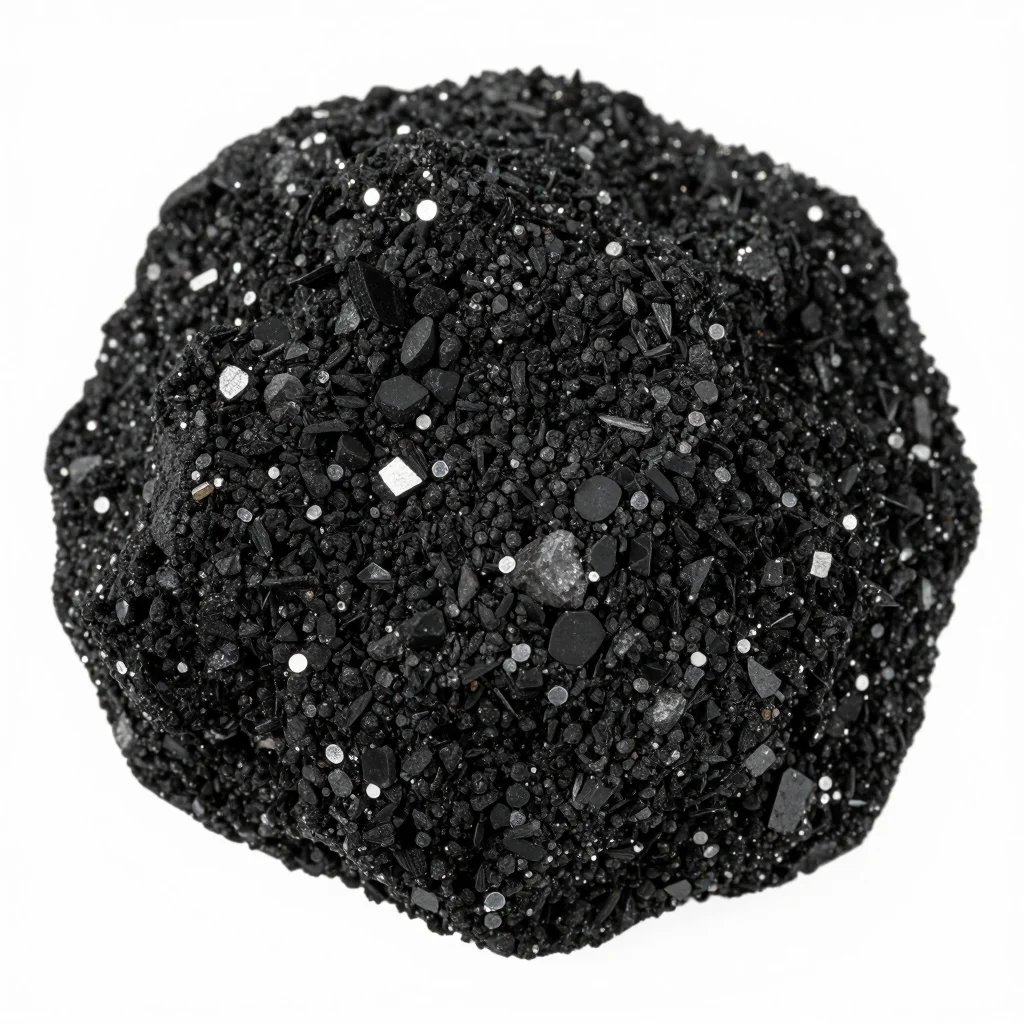
Silicon Carbide (SiC)
- SiC ≥98% (black) or ≥99% (green)
- Mohs 9.5, very high friability, needle-like grain shape
- Extremely hard, cuts non-metallic materials efficiently
- Best for: non-ferrous metals, glass, ceramics, stone, cast iron
- Cost: Moderate (similar to BFA for black SiC)
Three-Way Comparison
| Property | WFA | BFA | SiC (Black) |
|---|---|---|---|
| Primary chemistry | Al₂O₃ ≥99.5% | Al₂O₃ ≥95% | SiC ≥98% |
| Mohs hardness | 9 | 9 | 9.5 |
| Toughness | Moderate | High | Low (brittle) |
| Friability | High | Low | Very high |
| Grain shape | Angular | Blocky | Needle-like |
| Thermal conductivity | ~30 W/mK | ~30 W/mK | ~120 W/mK |
| Bulk density | 1.75–1.95 | 1.65–1.90 | 1.45–1.55 |
| Iron contamination | None | Low | None |
| Relative cost | 1.5–2x | 1x (baseline) | 1–1.5x |
Hardness: SiC Wins
SiC at Mohs 9.5 is measurably harder than both WFA and BFA at Mohs 9. This matters when grinding hard materials (glass, ceramics, stone) where the abrasive must be significantly harder than the workpiece to cut effectively.
Toughness: BFA Wins
BFA’s titanium content acts as a toughening agent, making its grains the most resistant to fracture under impact loading. This is why BFA dominates in heavy grinding operations where wheel durability matters more than cutting sharpness.
Purity: WFA Wins
At ≥99.5% Al₂O₃, WFA is the purest option. No iron, no titanium, no contamination risk. For stainless steel and non-ferrous grinding where surface integrity is critical, WFA is the only safe choice.
Selection Guide by Workpiece Material
Carbon Steel and Low-Alloy Steel → BFA
Carbon steel is the most common grinding application. BFA’s toughness means:
- Longer wheel life than WFA or SiC
- Consistent material removal rates
- Good form-holding on cylindrical grinders
- Lowest cost per part removed
If grinding hardened tool steel (HRC >50), consider switching to WFA for better cutting efficiency and surface finish.
Stainless Steel → WFA
Stainless steel grinding requires ferrous-free abrasive to prevent surface contamination. WFA delivers:
- Zero iron contamination (Fe₂O₃ ≤0.04%)
- Sharp cutting action on tough austenitic grades (304, 316)
- Clean surface finish without embedded particles
Never use BFA on stainless steel — the iron and titanium content will cause rust bloom.
Cast Iron → SiC
Cast iron contains graphite flakes that make it brittle. SiC’s extreme hardness and brittleness actually work well here:
- Clean cutting through graphite and iron matrix
- Less wheel loading than aluminum oxide on cast iron
- Gray iron, ductile iron, and malleable iron all respond well to SiC
Aluminum and Copper → SiC
Non-ferrous metals are soft and ductile. SiC’s sharp, needle-like grains cut cleanly without loading the wheel surface:
- Aluminum: SiC prevents the smearing and loading common with Al₂O₃ wheels
- Copper and brass: Clean cutting with minimal heat generation
- SiC’s high thermal conductivity helps dissipate heat
Glass, Ceramics, and Stone → SiC
These materials are hard and brittle — precisely where SiC’s Mohs 9.5 hardness delivers the most advantage:
- Glass edge grinding and drilling
- Ceramic tile and technical ceramic machining
- Granite and marble cutting and polishing
No aluminum oxide abrasive can match SiC’s cutting efficiency on these materials.
Titanium Alloys → WFA or SiC
Titanium is challenging due to its low thermal conductivity and chemical reactivity. Both WFA and SiC are used:
- WFA for precision surface grinding where tight tolerances are required
- SiC for rough grinding where maximum material removal is the priority
- Use low wheel speeds and generous coolant flow to prevent heat damage
Selection Decision Tree
Use this framework when specifying grinding wheels:
- Is the workpiece non-metallic (glass, ceramic, stone)? → SiC
- Is the workpiece cast iron? → SiC
- Is the workpiece non-ferrous metal (aluminum, copper)? → SiC
- Is the workpiece stainless steel? → WFA
- Is the workpiece titanium? → WFA (precision) or SiC (roughing)
- Is the workpiece carbon steel with tight tolerances? → WFA
- Is the workpiece carbon steel for general grinding? → BFA
- Is the workpiece hardened tool steel? → WFA
- Is cost the primary driver? → BFA
- Is surface finish quality the primary driver? → WFA
Cost Considerations
Grinding cost is not just the price of the abrasive wheel. Total grinding cost includes:
- Wheel cost per part (wheel price ÷ parts per wheel)
- Labor cost per part (cycle time × labor rate)
- Dressing cost (dressing frequency × dressing wheel wear)
- Scrap cost (rejected parts × part value)
- Downtime cost (wheel changes, dressing cycles)
WFA wheels cost more but may deliver lower total cost per part when:
- They reduce dressing frequency (saving labor and downtime)
- They improve surface finish (reducing scrap and rework)
- They extend wheel life on hard, high-purity workpieces
BFA wheels deliver the lowest total cost for high-volume carbon steel grinding where surface finish requirements are standard.
Purchasing Checklist
When ordering grinding wheels or loose grain, specify:
- Abrasive type: WFA, BFA, or SiC (black or green)
- Grit size: By FEPA standard (e.g., F46)
- Grade/hardness: Wheel bond hardness (soft to hard)
- Bond type: Vitrified, resin, rubber, metal, or shellac
- Structure: Dense to open (affects porosity)
- Dimensions: Diameter, width, bore
- Maximum operating speed: Safety-critical specification
Frequently Asked Questions
Can I use one wheel type for everything?
Technically you can grind most materials with BFA wheels, but the results will be suboptimal on stainless steel (contamination), non-ferrous metals (loading), and hard non-metallics (poor cutting). Matching the abrasive to the workpiece material is one of the easiest ways to improve grinding efficiency and reduce costs.
Why not always use SiC since it is the hardest?
SiC’s hardness comes with brittleness. On tough, ductile materials like carbon steel, SiC grains shatter too quickly, leading to rapid wheel wear and poor economics. On these materials, the tougher grains of BFA or WFA last significantly longer and deliver better value.
What about cubic boron nitride (CBN) or diamond?
CBN and diamond are superabrasives that outperform all three materials discussed here, but at 10–100x the cost. They are used in specialized high-precision applications (tool and cutter grinding, automotive camshaft grinding) where the performance advantage justifies the cost premium. For the vast majority of industrial grinding, WFA, BFA, and SiC remain the most cost-effective choices.
How do I know if I am using the right abrasive?
Check these indicators: (1) Wheel wear rate — excessive wear suggests the abrasive is too soft or friable for the application. (2) Surface finish — poor finish suggests wrong grit size or abrasive type. (3) Heat damage (burn marks) — suggests abrasive is too hard or wheel speed too high. (4) Loading — wheel surface clogging suggests SiC should replace Al₂O₃ for that material.
Where can I learn more about each abrasive type?
Our detailed guides cover each material in depth: What is white fused alumina, What is brown fused alumina, and our silicon carbide abrasive guide. For direct head-to-head data, see the WFA vs BFA comparison and black vs green SiC comparison.
Ready to Optimize Your Grinding Operation?
Selecting the right abrasive grain is the single most impactful decision you can make for grinding efficiency. If you are unsure which material fits your application, contact our technical team with your workpiece material, required finish, and production volume — we will recommend the optimal specification.
Request a WFA quote, get BFA pricing, or source SiC — we supply all three abrasive types with full technical data and COAs per shipment.