What Is White Fused Alumina? Properties, Grades & Applications
Selecting the right abrasive grain can make or break your production efficiency. When the application demands high purity, minimal iron contamination, and consistent cutting performance, white fused alumina (WFA) is often the material of choice among metallurgical engineers, foundry operators, and refractory designers worldwide.
This article walks through what white fused alumina is, how it is produced, the key specifications that matter for procurement, and the applications where it outperforms alternatives. Whether you are qualifying a new supplier or optimizing an existing abrasive system, the data here will help you make an informed decision.
What Is White Fused Alumina?
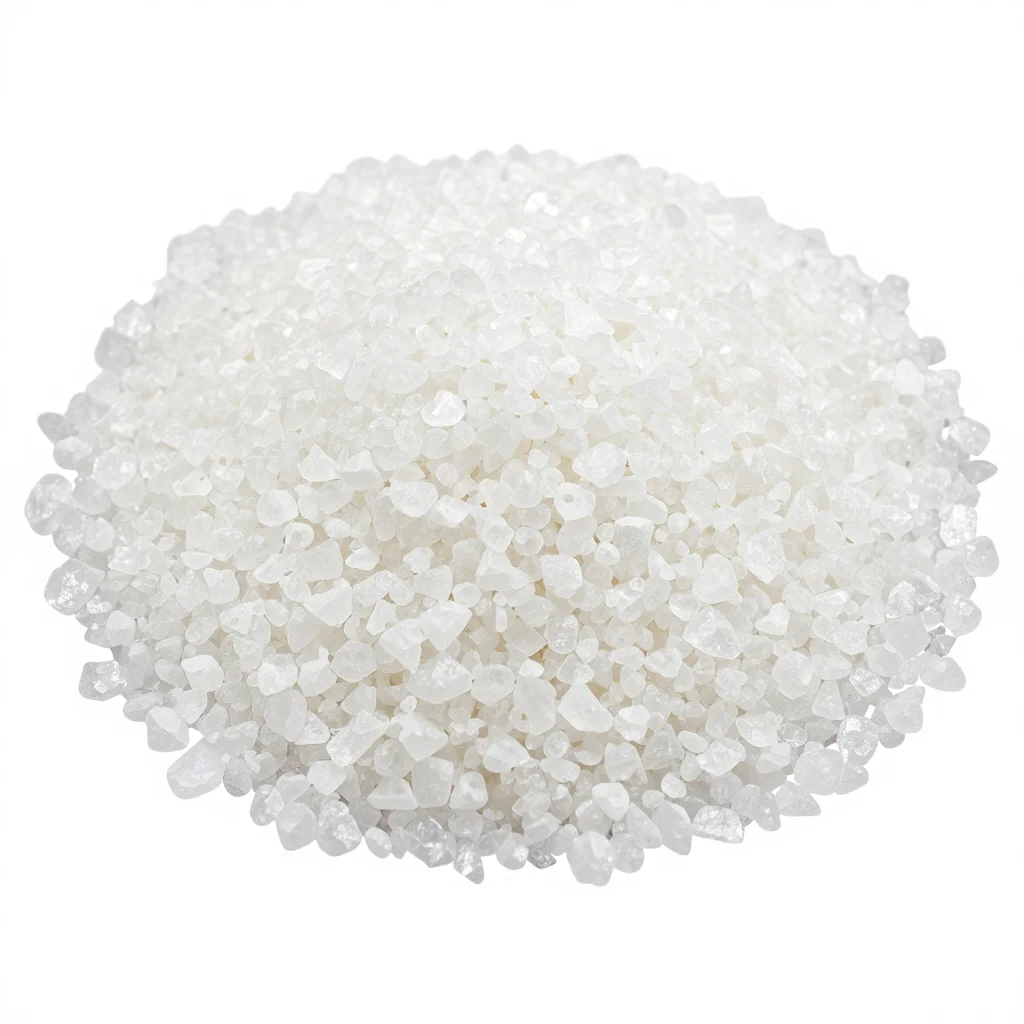
White fused alumina is a synthetic abrasive and refractory material produced by melting high-purity calcined alumina (Al₂O₃ ≥99.5%) in an electric arc furnace at temperatures exceeding 2,000°C. The molten alumina is then cooled, crushed, and screened into precisely graded grit sizes.
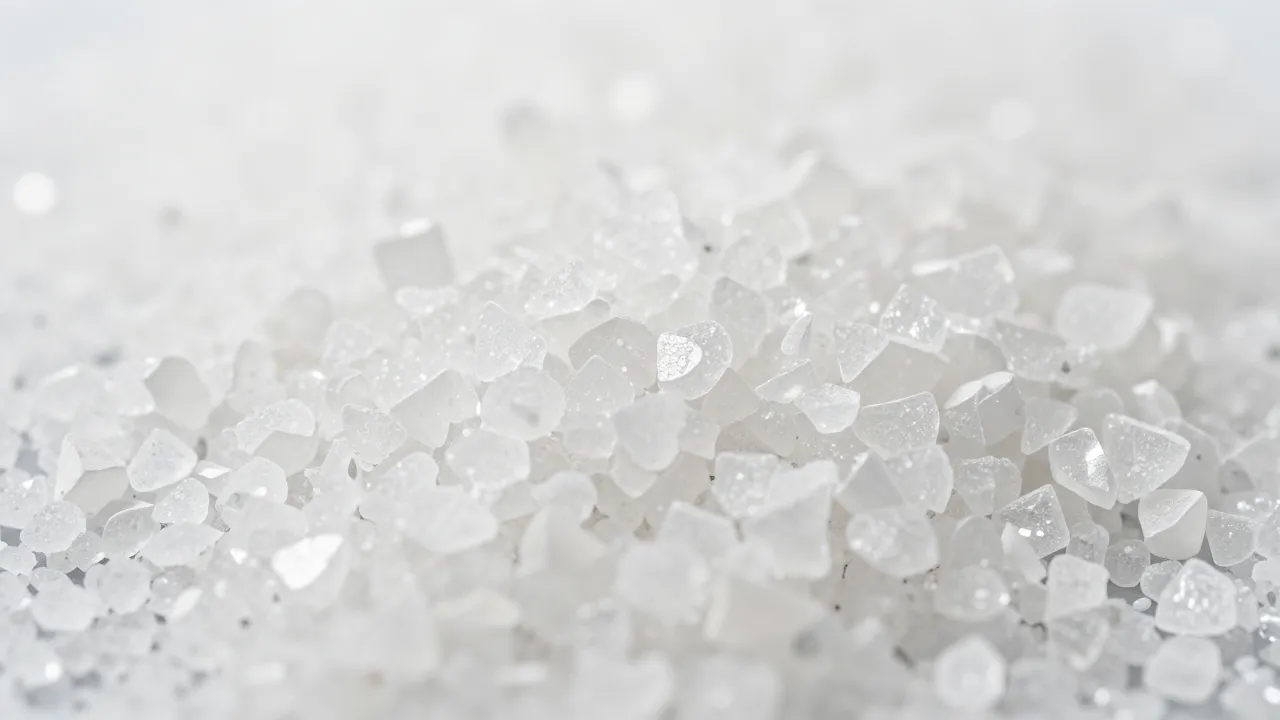
The result is a hard, dense, chemically inert grain with a characteristic white color — a direct reflection of its exceptional purity. Unlike brown fused alumina, which contains titanium and iron impurities, WFA maintains an Al₂O₃ content of ≥99.5%, making it suitable for applications where even trace contamination is unacceptable.
The production process is straightforward but tightly controlled. Raw calcined alumina feeds into the furnace, melts under intense heat, and undergoes a slow cooling phase that determines grain crystallinity. Faster cooling produces smaller, sharper crystals ideal for abrasives; slower cooling yields larger, blockier grains preferred for refractory aggregates.
Key Properties and Specifications
Understanding the technical parameters of WFA is essential for comparing it against alternatives and writing accurate procurement specifications.
| Parameter | Typical Value | Why It Matters |
|---|---|---|
| Al₂O₃ content | ≥99.5% | Ensures chemical inertness and minimal iron contamination |
| Fe₂O₃ content | ≤0.04% | Prevents rust staining on processed surfaces |
| Na₂O content | ≤0.3% | Affects high-temperature stability in refractory use |
| Bulk density | 1.75–1.95 g/cm³ | Influences abrasive wheel density and refractory porosity |
| Mohs hardness | 9 (corundum scale) | Second only to diamond and SiC among common abrasives |
| Melting point | ~2,050°C | Enables use in extreme-temperature refractory linings |
| Color | White | Visual indicator of purity and batch consistency |
Purity is the defining characteristic. At ≥99.5% Al₂O₃, WFA introduces virtually no metallic impurities into the workpiece. This matters in stainless steel grinding, where iron contamination from the abrasive can cause surface defects, and in refractory applications where sodium oxide (Na₂O) content directly impacts slag resistance.
Hardness and friability work together. WFA has a Mohs hardness of 9, meaning it cuts aggressively. However, it also has controlled friability — the grains fracture along crystalline planes under pressure, continuously exposing fresh, sharp cutting edges. This self-sharpening behavior extends abrasive life and maintains consistent cutting rates throughout the grinding cycle.
Main Applications
Precision Grinding and Surface Finishing
WFA is the go-to abrasive for precision grinding of hardened steel, tool steel, and stainless steel. Its high purity prevents iron contamination on workpiece surfaces — a critical requirement in aerospace, automotive, and medical device manufacturing. Typical products include vitrified grinding wheels, resin-bonded wheels, and coated abrasive belts.
The grain’s controlled friability means it maintains sharpness longer than alternatives, reducing wheel dressing frequency and improving dimensional accuracy on tight-tolerance parts.
Sandblasting and Surface Preparation
In sandblasting applications, WFA delivers a clean, bright finish without embedding ferrous particles in the substrate. It is widely used for:
- Preparing stainless steel surfaces for coating or welding
- Cleaning turbine blades and precision components
- Etching glass and stone for decorative finishes
- Removing oxide scale from non-ferrous metals
Compared to slag-based blast media, WFA is recyclable — it can be reused 8–10 times in closed-circuit blast systems before the grain size degrades below the usable threshold. Our white fused alumina for sandblasting guide covers grit selection in detail.
Refractory and Ceramic Applications
WFA’s high melting point and chemical stability make it an excellent refractory aggregate. It is used in:
- High-alumina refractory bricks and castables for steel ladles and furnaces
- Ceramic feedstock for advanced technical ceramics
- Investment casting shell molds requiring thermal shock resistance
When purity and thermal performance both matter, WFA is often specified alongside tabular alumina in critical hot-face applications.
Lapping and Polishing
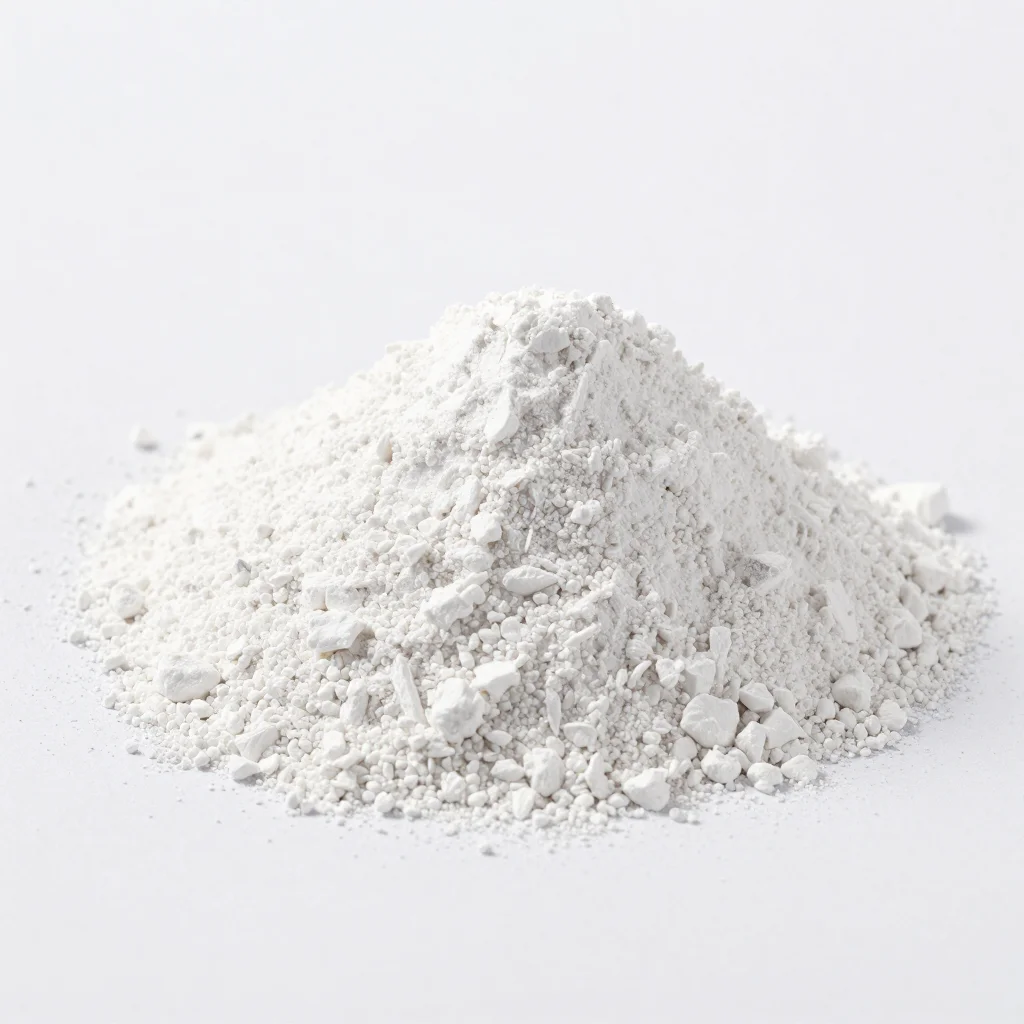
WFA micro powder (particle sizes from 0.5μm to 5μm D50) is used for final lapping and polishing of optical lenses, semiconductor wafers, and precision metal surfaces. The sub-micron grain size and high purity ensure scratch-free finishes on even the most demanding substrates.
Purchasing Considerations
Key Specifications to Request
When sourcing WFA, always specify the following in your purchase order:
- Al₂O₃ minimum — require ≥99.5% and ask for a Certificate of Analysis (COA) per lot
- Fe₂O₃ maximum — ≤0.04% for critical applications; some suppliers offer ≤0.02%
- Na₂O content — ≤0.3% standard; request ≤0.2% for refractory-grade
- Grit size and FEPA designation — specify both the sieve range and the FEPA grit number (e.g., F24, F46, F120)
- Bulk density range — tight density tolerances (±0.05 g/cm³) indicate consistent processing
Common Quality Pitfalls
- Grit size inconsistency: Some suppliers blend oversize and undersize fractions to hit a nominal grade. This causes uneven grinding performance. Request a particle size distribution (PSD) analysis, not just a sieve range.
- Impurity drift over time: Raw material quality can change between production lots. Insist on per-lot COAs and track Al₂O₃ and Fe₂O₃ trends across shipments.
- Moisture absorption: WFA micro powder is hygroscopic. Verify packaging is moisture-proof with desiccant packs included.
Certification and Standards
Reputable suppliers provide COAs tested to recognized standards including FEPA (Federation of European Producers of Abrasives), JIS (Japanese Industrial Standards), and ANSI (American National Standards Institute). For refractory applications, ASTM C20 and ASTM C134 provide standard test methods for physical properties.
Frequently Asked Questions
What is the difference between white fused alumina and brown fused alumina?
The primary difference is purity. White fused alumina contains ≥99.5% Al₂O₃ with Fe₂O₃ ≤0.04%, while brown fused alumina contains ≥95% Al₂O₃ with higher titanium and iron content. WFA is harder and more brittle, making it ideal for precision grinding where iron contamination must be avoided. BFA is tougher and more cost-effective for general-purpose applications. See our complete WFA vs BFA comparison for detailed data.
What grit sizes are available for white fused alumina?
WFA is available in standard FEPA grit sizes from F12 (coarse, ~2mm) through F1200 (fine, ~3μm). Micro powder grades extend down to 0.5μm D50 for lapping and polishing applications. Common sizes for grinding wheels are F24, F30, F36, F46, F54, F60, F80, and F120.
Can white fused alumina be recycled in sandblasting?
Yes. WFA can typically be recycled 8–10 times in closed-circuit blast systems before grain breakdown reduces it below the usable size threshold. Recycling rates depend on blast pressure, substrate hardness, and the initial grit size selected. Finer grits degrade faster than coarse grades.
How should I store white fused alumina?
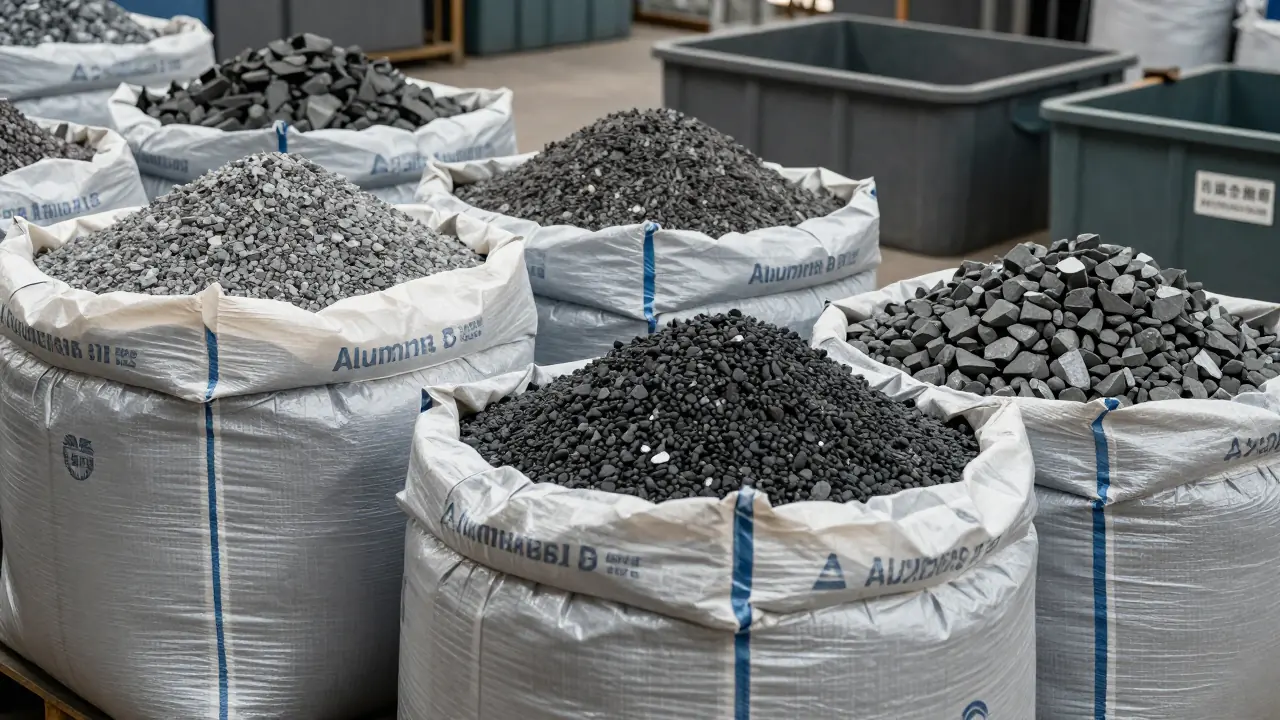
Store in a dry, covered area away from moisture and contamination. For micro powder grades, keep sealed in original packaging with desiccant packs until use. Bulk grit should be stored in lined bags or sealed containers. Avoid stacking pallets more than three high to prevent bag rupture.
Ready to Source White Fused Alumina?
White fused alumina delivers the purity, hardness, and consistency that precision grinding and high-temperature refractory applications demand. When you need ≥99.5% Al₂O₃ with Fe₂O₃ ≤0.04% and reliable lot-to-lot consistency, the specifications above give you a clear framework for supplier evaluation.
Request a quote for white fused alumina — we provide COAs with every shipment, offer FEPA-standard grit sizes from F12 to F1200, and can supply micro powder grades down to 0.5μm D50.