White Fused Alumina vs Brown Fused Alumina: Complete Comparison
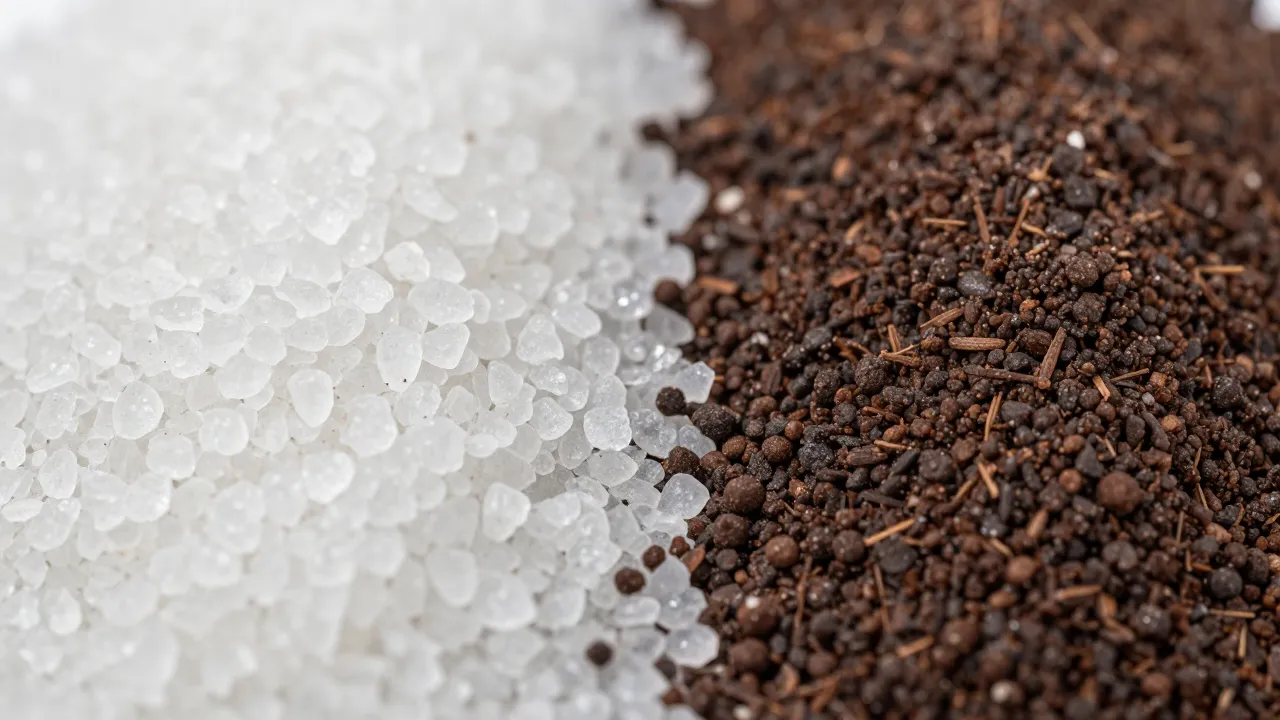
Choosing between white fused alumina (WFA) and brown fused alumina (BFA) is one of the most common decisions facing abrasive buyers and refractory engineers. Both materials are aluminum oxide-based abrasives produced in electric arc furnaces, yet they differ significantly in purity, toughness, cost, and ideal applications.
This comparison breaks down the technical differences with real specification data, so you can make the right call for your specific application — whether you are grinding hardened tool steel, blasting stainless steel surfaces, or specifying refractory castables.
What Is White Fused Alumina (WFA)?
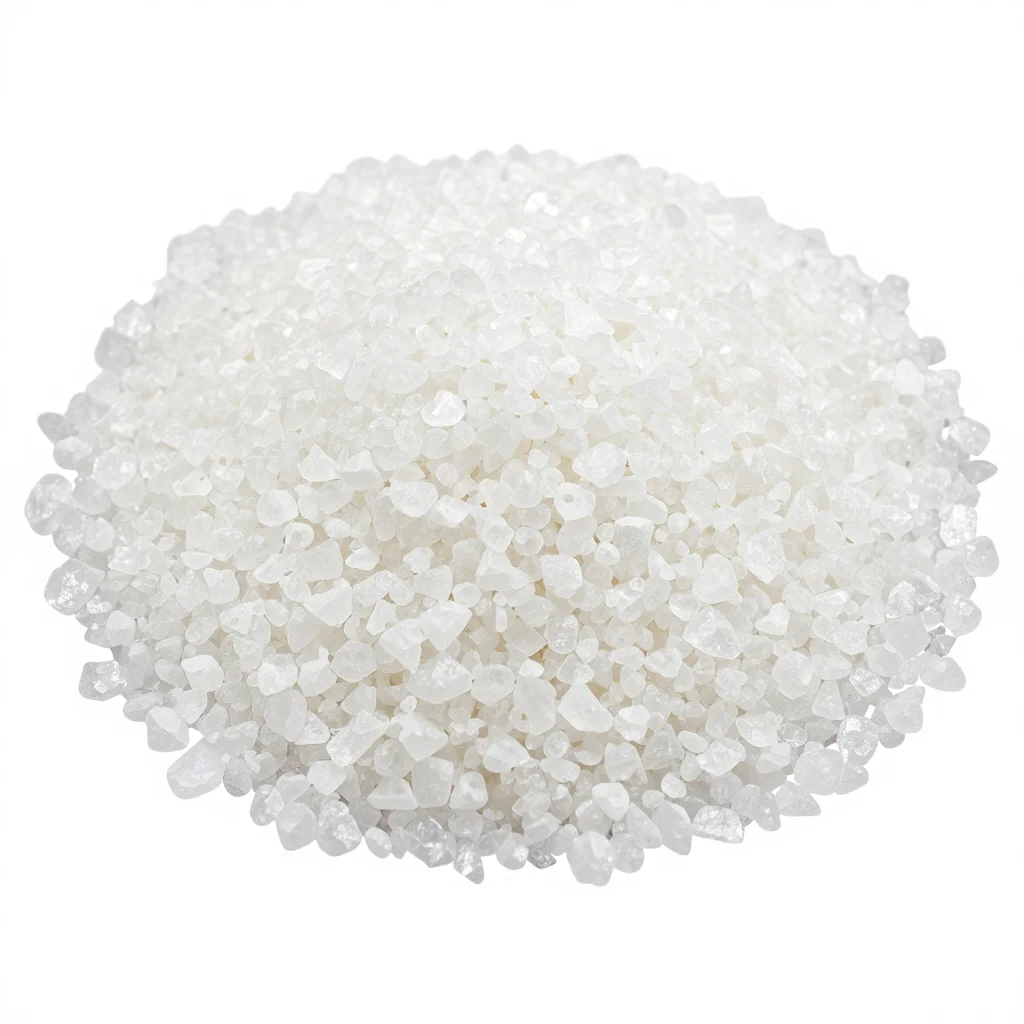
White fused alumina is produced from high-purity calcined alumina (Al₂O₃) melted at temperatures above 2,000°C. The result is an extremely pure abrasive grain with Al₂O₃ ≥99.5% and very low impurity levels. The high purity gives WFA its characteristic white color, exceptional hardness (Mohs 9), and chemical inertness.
WFA grains are sharp, angular, and relatively brittle. Under grinding pressure, they fracture to expose fresh cutting edges — a property known as friability. This makes WFA ideal for precision applications where cutting sharpness matters more than grain longevity.
What Is Brown Fused Alumina (BFA)?
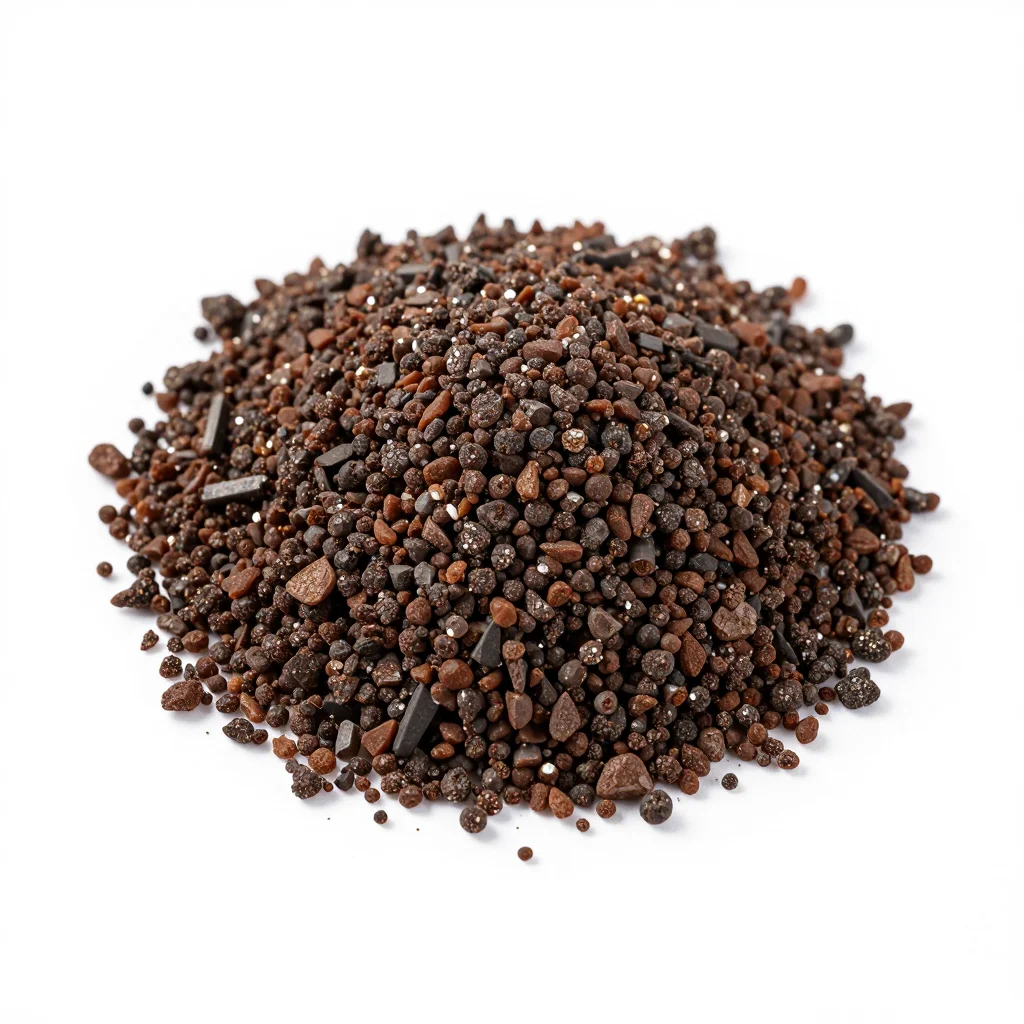
Brown fused alumina is produced from calcined bauxite, which contains aluminum oxide along with natural impurities including titanium dioxide (TiO₂), iron oxide (Fe₂O₃), and silica (SiO₂). The smelting process yields a grain with Al₂O₃ ≥95% and a distinctive brown color from the titanium content.
BFA grains are tougher and less friable than WFA. They resist fracturing under impact loads, making them better suited for heavy-duty grinding, blasting, and applications where abrasive durability outweighs the need for extreme purity.
Head-to-Head Comparison
| Property | White Fused Alumina (WFA) | Brown Fused Alumina (BFA) |
|---|---|---|
| Al₂O₃ content | ≥99.5% | ≥95% |
| Fe₂O₃ content | ≤0.04% | ≤0.1% |
| TiO₂ content | ≤0.3% | 1.5–3.8% |
| SiO₂ content | ≤0.1% | ≤1.5% |
| Bulk density | 1.75–1.95 g/cm³ | 1.65–1.90 g/cm³ |
| Mohs hardness | 9 | 9 |
| Toughness | Lower (more friable) | Higher (more durable) |
| Grain shape | Sharp, angular | Blocky, rounded |
| Color | White | Brown |
| Relative cost | Higher (~1.5–2x BFA) | Lower (baseline) |
| Melting point | ~2,050°C | ~2,050°C |
Purity: WFA Wins Decisively
The Al₂O₃ gap is significant: ≥99.5% for WFA versus ≥95% for BFA. That 4.5% difference represents iron, titanium, and silicon impurities that can:
- Cause ferrous contamination on stainless steel and non-ferrous metal surfaces
- Reduce slag resistance in refractory linings
- Introduce color contamination in white or light-colored ceramics and coatings
If your application has zero tolerance for iron contamination — surgical instruments, aerospace fasteners, food-grade surfaces — WFA is the only viable choice.
Toughness: BFA Holds the Advantage
BFA’s titanium content acts as a toughening agent. The grains resist fracturing under impact, which translates to:
- Longer abrasive life in heavy stock removal operations
- Higher material removal rates in aggressive grinding
- Better durability in high-pressure blast cleaning
WFA grains fracture more readily, which keeps cutting edges sharp but means the grain breaks down faster. This is actually beneficial in precision grinding (consistent cut quality) but wasteful in rough grinding applications.
Cost: BFA Is More Economical
BFA typically costs 40–50% less than WFA per metric ton. The price difference comes from raw material costs: bauxite is far cheaper than high-purity calcined alumina. For high-volume applications where purity is not critical, BFA delivers better value per unit of work performed.
When to Choose WFA
Choose white fused alumina when:
- You need iron-free processing: Stainless steel, titanium, non-ferrous metals where ferrous contamination causes surface defects or corrosion
- Precision grinding is the priority: Tool and cutter grinding, surface grinding of hardened steels, cylindrical grinding to tight tolerances
- High-purity refractory applications: Where Na₂O and Fe₂O₃ content directly affect service life
- Lapping and polishing: Micro powder grades for optical, semiconductor, and fine surface finishing
- Appearance matters: White or light-colored coatings, ceramics, and investment casting where brown grain would cause discoloration
If your application requires ≥99% Al₂O₃ purity, WFA is the right choice. See our detailed white fused alumina guide for complete specifications.
When to Choose BFA
Choose brown fused alumina when:
- You need toughness over purity: Heavy stock removal, rough grinding, and high-impact blasting where grain durability matters
- Cost is a primary driver: Large-volume abrasive blasting, foundry grinding, and general-purpose abrasive applications
- Carbon steel and cast iron workpieces: Where iron contamination is not a concern
- Refractory castables and mortars: Standard-duty refractory linings where ≥95% Al₂O₃ provides adequate performance
If your application prioritizes abrasive life and cost-efficiency over maximum purity, BFA is the better option. Our brown fused alumina guide covers specifications in detail.
Selection Decision Guide
Use this framework to decide:
- If you need ≥99% Al₂O₃ → WFA
- If you process stainless steel, titanium, or non-ferrous metals → WFA
- If you need maximum material removal rate on carbon steel → BFA
- If cost per ton is your primary metric → BFA
- If you need micro powder (<5μm) → WFA
- If you need blast media for general steel cleaning → BFA
- If you are unsure → Start with BFA for rough work, switch to WFA for finishing passes
Still deciding between multiple abrasive types? Our guide to choosing WFA, BFA, and SiC for grinding expands this analysis to include silicon carbide.
Purchasing Tips
- Always request a COA — verify Al₂O₃, Fe₂O₃, and TiO₂ content per lot
- Specify grit size by FEPA standard — F24, F46, F80, etc. — not just “coarse” or “fine”
- Ask about bulk density tolerances — tight ranges (±0.05 g/cm³) indicate consistent processing
- Test first — request a sample lot and compare grinding performance against your current material before committing to volume
Frequently Asked Questions
Can I substitute BFA for WFA to save costs?
It depends on the application. For carbon steel grinding and general-purpose blasting, BFA is a direct cost-saving substitution. For stainless steel grinding, precision surface finishing, or any application where iron contamination is unacceptable, substituting BFA for WFA will cause quality problems. Always test the substitution on a sample batch before changing production specifications.
Is WFA harder than BFA?
Both materials have a Mohs hardness of 9 (corundum). However, WFA has higher friability — its grains fracture more easily to expose fresh cutting edges. BFA grains are tougher and resist fracturing. In practice, WFA “cuts sharper” while BFA “lasts longer.”
What about pink fused alumina?
Pink fused alumina is a chromium-doped variant of WFA. The addition of Cr₂O₃ (0.2–2.0%) increases toughness while maintaining high purity. It bridges the gap between WFA and BFA, offering better durability than WFA with better purity than BFA. It is used for precision grinding of high-tensile steels.
Which is better for sandblasting?
WFA is preferred for blasting stainless steel, aluminum, and non-ferrous metals because it does not embed ferrous particles. BFA is more economical for blasting carbon steel, cast iron, and structural steel where iron contamination is not a concern. For a complete breakdown, see our WFA sandblasting guide.
How much more does WFA cost than BFA?
WFA typically costs 40–50% more per metric ton than BFA. The price premium reflects the higher-cost raw material (calcined alumina vs. bauxite) and the additional processing required to achieve ≥99.5% purity. However, WFA often delivers lower cost-per-part in precision grinding due to better cutting efficiency and less frequent wheel dressing.
Ready to Source?
Both WFA and BFA have clear strengths. If purity and cutting precision drive your application, request a WFA quote. If toughness and cost-efficiency matter more, get BFA pricing. We supply both grades with full COAs, FEPA-standard sizing, and reliable lead times.