White Fused Alumina for Sandblasting: A Complete Buyer's Guide
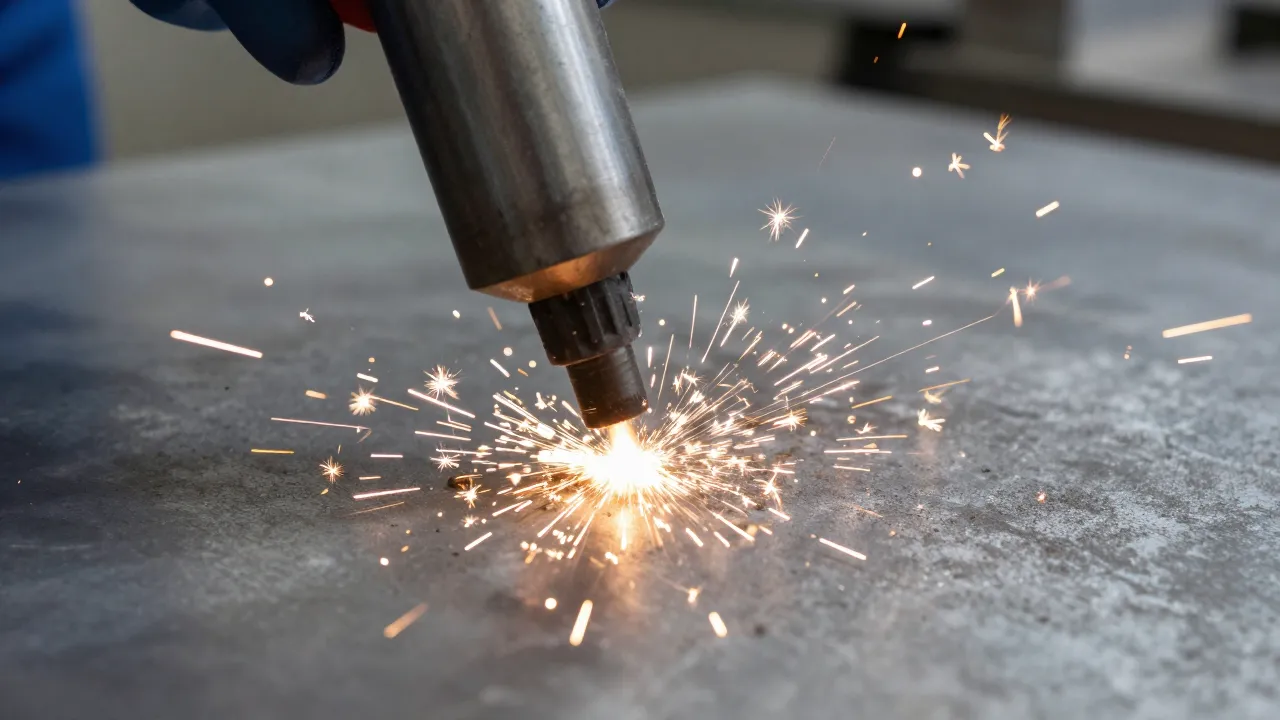
Surface preparation is the foundation of every successful coating, bonding, or welding operation. When the substrate is stainless steel, aluminum, or another non-ferrous metal, white fused alumina (WFA) is the blast media of choice — delivering a clean, bright finish without the ferrous contamination that slag, steel grit, or brown fused alumina can leave behind.
This buyer’s guide covers everything you need to know about using WFA for abrasive blast cleaning: grit size selection, recyclability, surface profile data, equipment considerations, and cost optimization.
Why White Fused Alumina for Sandblasting?
WFA’s advantages as a blast media come directly from its material properties:
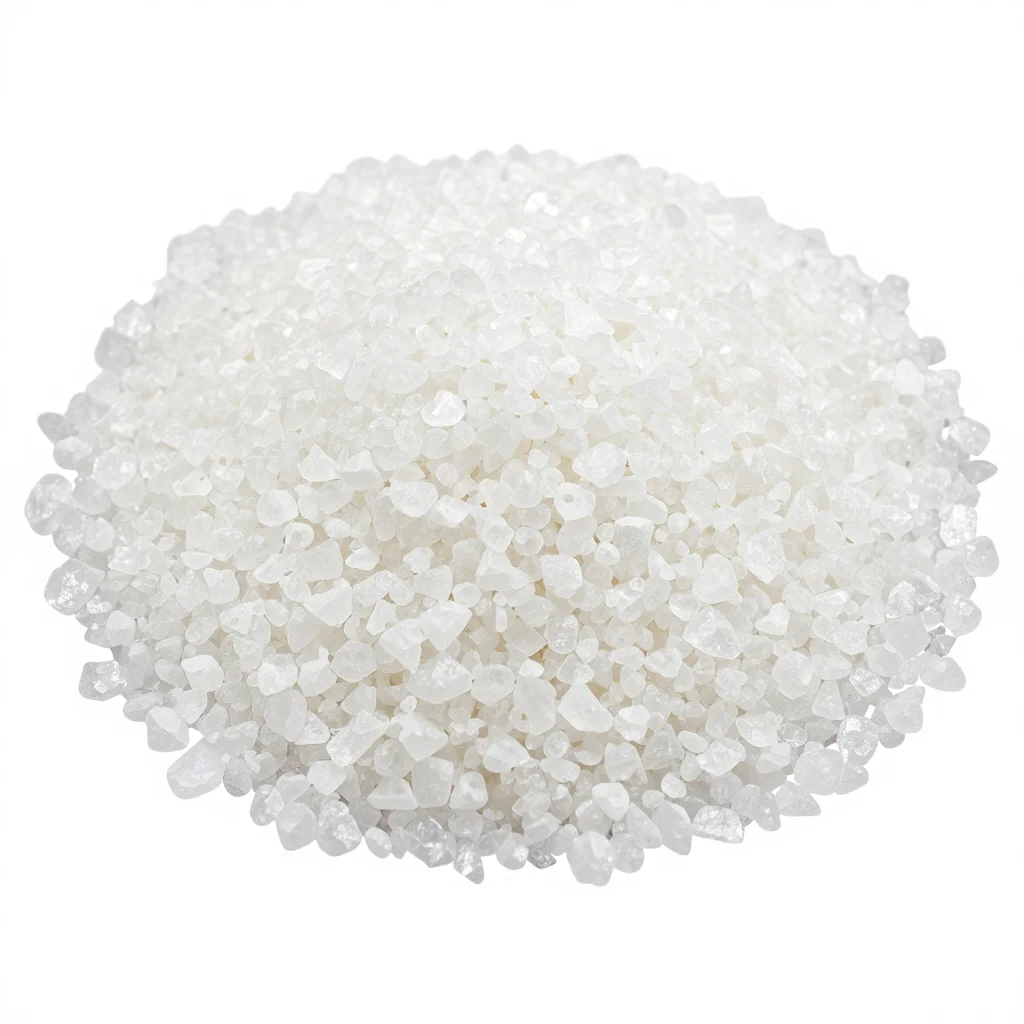
- ≥99.5% Al₂O₃ purity: No iron contamination on stainless steel, aluminum, titanium, or other non-ferrous surfaces
- Mohs 9 hardness: Cuts aggressively through oxide scale, old coatings, and surface contamination
- Angular grain shape: Produces a uniform, sharp-edged surface profile ideal for coating adhesion
- Chemically inert: No reaction with substrate materials or coating systems
- Low dust generation: Dense grain (bulk density 1.75–1.95 g/cm³) stays in the blast stream longer than lighter media
Compared to common alternatives:
| Blast Media | Hardness | Ferrous Contamination | Recyclability | Relative Cost |
|---|---|---|---|---|
| White fused alumina | Mohs 9 | None | 8–10 cycles | Moderate |
| Brown fused alumina | Mohs 9 | Yes (low) | 8–10 cycles | Low |
| Steel grit | Mohs 6–7 | Yes (high) | 100+ cycles | Low |
| Glass bead | Mohs 5.5 | None | 1–3 cycles | Low |
| Garnet | Mohs 7.5–8 | None | 1–3 cycles | Low |
| Copper slag | Mohs 6–7 | Trace | 1 cycle | Very low |
WFA occupies the sweet spot: harder than garnet and glass bead, non-contaminating unlike steel grit and BFA, and recyclable unlike slag media.
Grit Size Selection Guide
Choosing the right grit size is critical. Too coarse and you damage the substrate; too fine and you do not achieve the required surface profile. Here is a practical guide based on common applications:
| Application | Recommended FEPA Grade | Anchor Profile | Notes |
|---|---|---|---|
| Heavy scale removal (steel) | F16–F24 | 100–150 μm | Aggressive cutting, fast removal |
| General surface prep (SS) | F30–F46 | 50–100 μm | Standard for coating preparation |
| Medium cleaning (aluminum) | F46–F60 | 37–75 μm | Good balance of cut rate and finish |
| Light cleaning / etching | F60–F80 | 25–50 μm | Fine, uniform surface texture |
| Fine finishing / polishing | F100–F120 | 12–25 μm | Near-polish finish on non-ferrous |
| Glass etching / decorative | F150–F220 | <12 μm | Fine matte finish on glass and stone |
Stainless Steel Surface Preparation
For preparing stainless steel surfaces per ISO 8501-1 (Sa 2.5 or Sa 3 cleanliness), WFA in F30–F46 is standard. The angular grain produces a sharp-edged anchor profile of 50–100 μm, providing excellent mechanical adhesion for epoxy, polyurethane, and other high-performance coating systems.
Critical rule: Never use steel grit or BFA on stainless steel. Embedded iron particles will cause pin-point corrosion (rust bloom) within days of exposure to moisture. WFA eliminates this risk entirely.
Aluminum and Non-Ferrous Metals
Aluminum is softer than steel and requires lower blast pressure (40–60 PSI vs. 80–100 PSI for steel). Use WFA in F60–F80 to clean aluminum surfaces without excessive material removal or warping of thin-gauge sheet.
For titanium aerospace components, WFA in F80–F120 provides the fine, controlled surface texture required for subsequent bonding or thermal spray coating.
Recyclability and Cost Optimization
WFA is one of the most recyclable non-metallic blast media available. In closed-circuit blast systems (wheelblast or pressure vessels with reclaimers), WFA typically achieves 8–10 reuse cycles before the grain fractures below the usable size threshold.
Recycling Rate Factors
- Blast pressure: Higher pressure = faster grain breakdown = fewer cycles
- Substrate hardness: Harder substrates (steel) cause faster grain fracture than softer ones (aluminum)
- Initial grit size: Coarser grits (F16–F30) last more cycles than fine grits (F80–F120)
- Reclaimer efficiency: Modern centrifugal reclaimers can separate usable grain from fines at >95% efficiency
Cost-Per-Square-Meter Calculation
To optimize blast cleaning costs:
- Calculate media consumption rate (kg/m²) for your grit size and pressure
- Factor in recyclability (divide by 8–10 cycles for WFA)
- Add media cost per kg
- Compare total cost per m² against alternatives
For stainless steel cleaning, WFA’s total cost per square meter is typically 30–50% lower than garnet (which is not recyclable) despite WFA’s higher per-kg price, because WFA can be reused 8–10 times versus garnet’s single use.
Equipment Considerations
Blast Pressure
- Carbon steel: 80–100 PSI (5.5–7 bar)
- Stainless steel: 60–80 PSI (4–7 bar)
- Aluminum: 40–60 PSI (2.5–4 bar)
- Glass/stone: 30–50 PSI (2–3.5 bar)
Nozzle Selection
Venturi nozzles (boron carbide or tungsten carbide) are standard for production blast cleaning. For WFA:
- Use a nozzle diameter 3–4x the grit size for optimal flow
- Replace nozzles when diameter increases 1.5x from new — worn nozzles reduce blast velocity and cleaning efficiency
Dust Collection
WFA generates less dust than slag media due to its higher density, but proper dust collection is still essential. Use a dust collector rated for fine particulate (≤5μm) to maintain operator safety and visibility.
Purchasing Specifications
When sourcing WFA for blast cleaning, specify:
- Al₂O₃ ≥99.5% with Fe₂O₃ ≤0.04%
- FEPA grit size (e.g., F36, F46, F60)
- Particle size distribution — request PSD analysis for consistency
- Bulk density — 1.75–1.95 g/cm³ range
- Moisture content ≤0.5% — affects flow in blast equipment
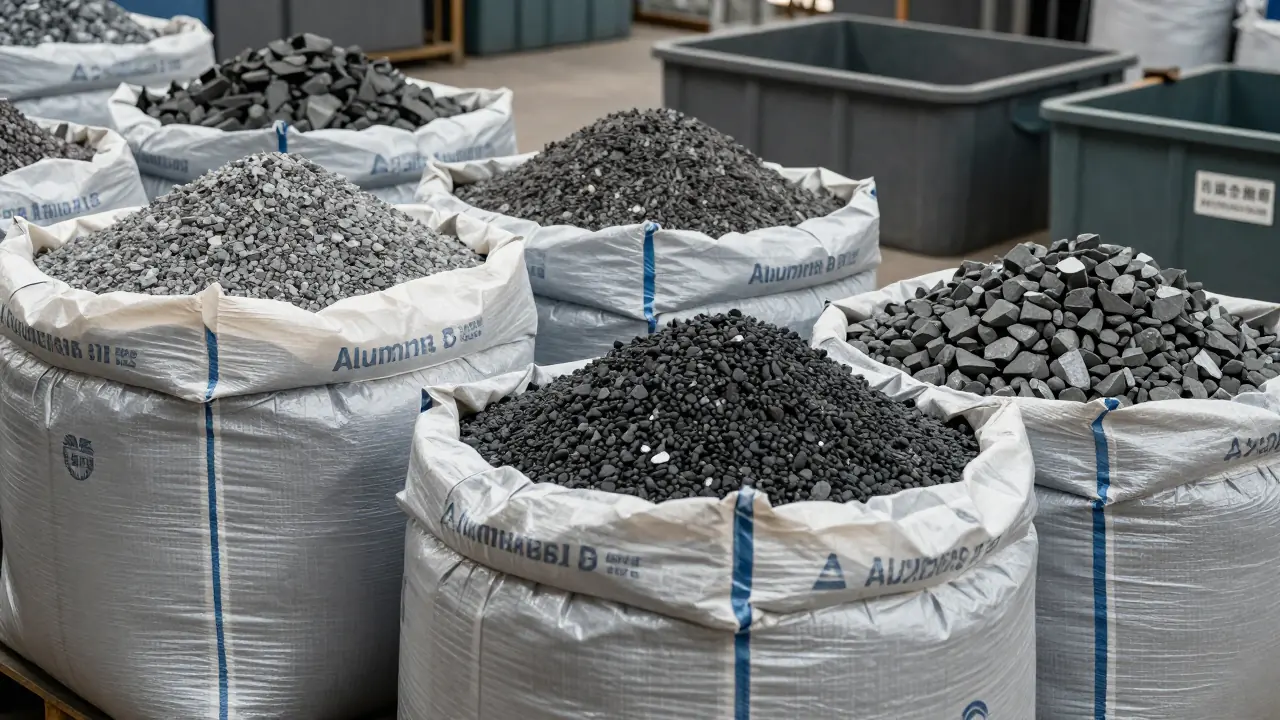
- Packaging — 25kg bags, 1-ton jumbo bags, or bulk pneumatic tanker
Quality Pitfalls
- Undersized grain: Some suppliers blend fines to hit nominal weight. This reduces cleaning efficiency and creates dust. Always check the PSD.
- Inconsistent hardness: Over-calcined grain becomes brittle and shatters in the first pass. Under-calcined grain is soft and rounds quickly.
- Moisture contamination: Wet WFA clumps and bridges in blast pots. Verify sealed, moisture-proof packaging.
Frequently Asked Questions
How does WFA compare to garnet for blast cleaning?
WFA is harder (Mohs 9 vs. 7.5–8), cuts faster, and can be recycled 8–10 times versus garnet’s 1–3 uses. However, garnet costs less per kg and produces less embedment on soft metals. For stainless steel where recyclability matters, WFA typically delivers lower total cost per square meter.
What blast pressure should I use for WFA?
For steel: 80–100 PSI. For stainless steel: 60–80 PSI. For aluminum: 40–60 PSI. Lower pressure extends grain life and reduces substrate damage. For detailed pressure settings by application, see our WFA properties guide.
Can WFA be used for food-grade surface preparation?
Yes. WFA is chemically inert and non-toxic. It is commonly used for surface preparation on food processing equipment, dairy tanks, and pharmaceutical vessels where ferrous contamination must be avoided. Ensure the WFA is certified free of heavy metals and request a COA for compliance documentation.
How do I know when WFA blast media is spent?
Monitor the cleaning rate. When blast cleaning speed drops below 70% of the initial rate, the media has degraded below usable size and should be replaced. In closed-circuit systems, the reclaimer automatically separates fines from usable grain. Dispose of spent fines per local regulations — WFA fines are generally classified as non-hazardous.
What is the difference between WFA and BFA for blasting?
WFA is iron-free, making it safe for stainless steel and non-ferrous metals. BFA contains small amounts of iron and titanium that can cause surface contamination on sensitive substrates. For carbon steel blasting where contamination is not a concern, BFA is a cost-effective alternative. See our complete WFA vs BFA comparison for detailed data.
Ready to Source WFA for Sandblasting?
White fused alumina delivers the purity, hardness, and recyclability that professional blast cleaning operations demand. Whether you are preparing stainless steel for high-performance coatings or cleaning precision aerospace components, WFA provides a contamination-free surface with excellent coating adhesion.
Request a WFA sandblasting quote — we supply FEPA grit sizes from F16 to F220 in 25kg bags and jumbo bags, with COAs verifying purity and particle size distribution per lot.