Fused Mullite: The Refractory Material That Outlasts Traditional Options
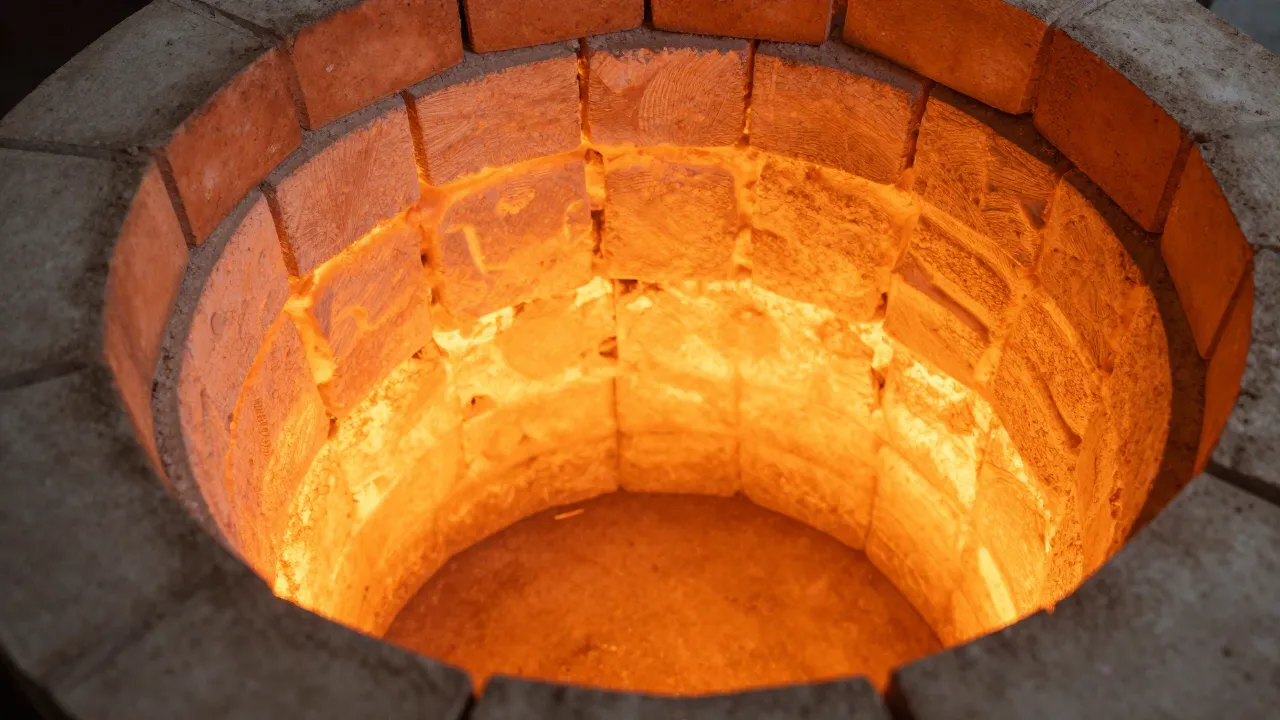
In the world of high-temperature refractories, material selection directly determines campaign life, maintenance downtime, and total cost of ownership. Fused mullite — a synthetic aluminum silicate with the chemical formula 3Al₂O₃·2SiO₂ — has earned a reputation as one of the most thermally stable, creep-resistant refractory aggregates available for continuous service above 1,600°C.
This article explains what fused mullite is, how its unique crystal structure delivers superior performance, and the applications where it outlasts conventional refractory materials.
What Is Fused Mullite?
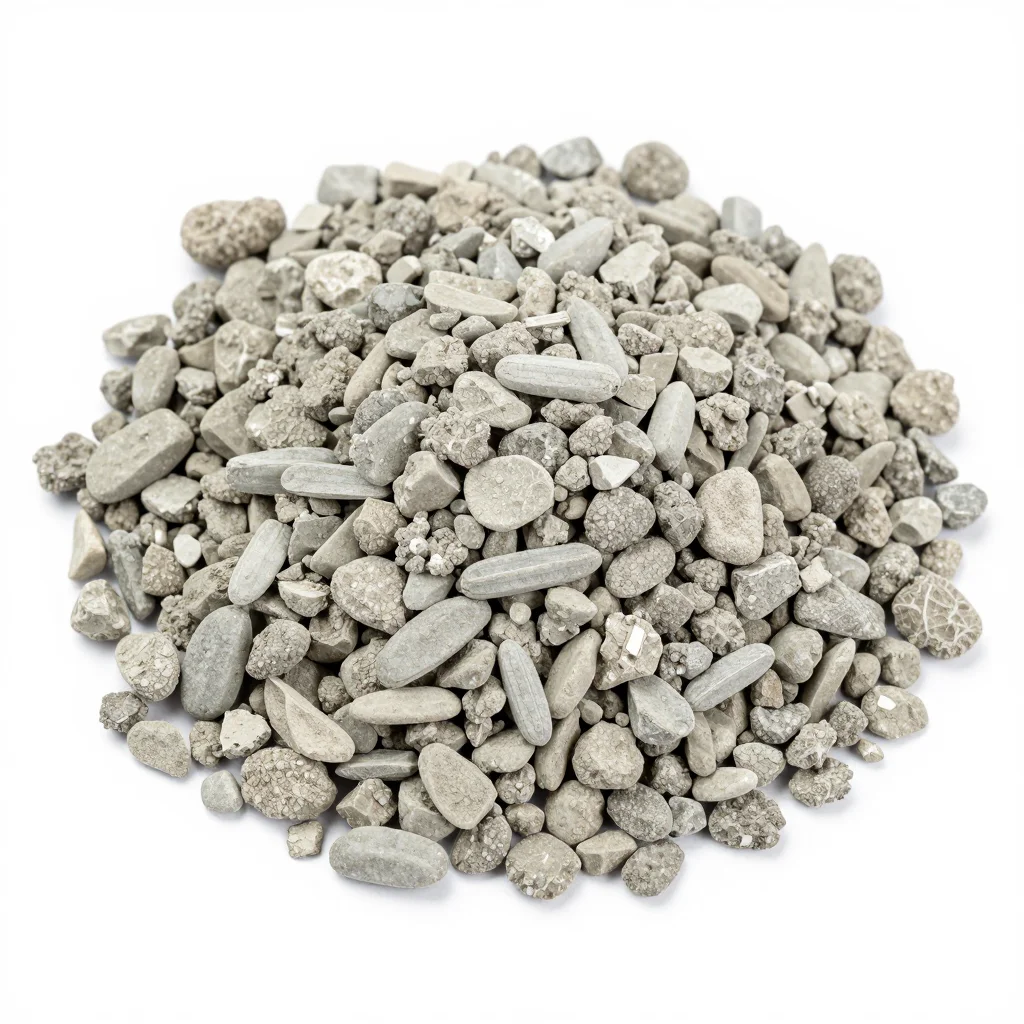
Fused mullite is produced by melting a blend of high-purity alumina and silica in an electric arc furnace at temperatures exceeding 1,800°C, then cooling the molten material slowly to allow well-developed needle-like mullite crystals to form. The resulting aggregate consists of interlocking mullite crystals in a glass-free matrix.
Chemical Composition
| Component | Typical Range | Significance |
|---|---|---|
| Al₂O₃ | 70–77% | Primary refractory oxide |
| SiO₂ | 22–29% | Forms mullite phase with Al₂O₃ |
| Fe₂O₃ | ≤0.5% | Impurity — lower is better |
| TiO₂ | ≤0.5% | Impurity — lower is better |
| Na₂O + K₂O | ≤0.4% | Alkali content affects slag resistance |
Key Physical Properties
| Property | Value | Why It Matters |
|---|---|---|
| Bulk density | ≥3.00 g/cm³ | Dense aggregate resists slag penetration |
| True density | ~3.16 g/cm³ | Characteristic of mullite crystal phase |
| Refractoriness | >1,850°C | Service temperature ceiling |
| Thermal expansion | 5.0–5.5 × 10⁻⁶/°C | Lower than pure alumina — better thermal shock resistance |
| Thermal conductivity | ~6 W/mK at 1000°C | Moderate — balances insulation and heat transfer |
| Creep resistance | Excellent at 1,600°C | Maintains shape under load at temperature |
Why Fused Mullite Outperforms Traditional Options
Thermal Shock Resistance
Mullite’s thermal expansion coefficient (5.0–5.5 × 10⁻⁶/°C) is significantly lower than pure alumina (8.0–8.5 × 10⁻⁶/°C). This lower expansion means less thermal stress during heating and cooling cycles, directly translating to better spalling resistance and longer service life in cyclic-temperature applications.
In practice, fused mullite refractories survive thermal cycling that would crack or spall conventional alumina-based linings. This makes fused mullite the aggregate of choice for:
- Furnace roofs and walls subject to frequent temperature cycling
- Burner blocks and tunnel kiln furniture
- Reheat furnace skid rails
Creep Resistance Under Load
At temperatures above 1,500°C, many refractory materials begin to deform under their own weight (creep). Fused mullite’s interlocking needle-like crystal structure resists creep effectively, maintaining dimensional stability during extended high-temperature exposure.
This is why fused mullite is specified for load-bearing refractory components such as:
- Kiln furniture (saggers, setter tiles, beams)
- Glass tank furnace superstructure
- Hot blast stove checker bricks
Slag Resistance
Fused mullite’s glass-free microstructure provides good resistance to acidic and neutral slags. While not as slag-resistant as high-purity tabular alumina for basic steelmaking slags, mullite performs well in:
- Glass contact applications (where alumina would dissolve into the glass melt)
- Coal gasification environments
- Incinerator linings exposed to mixed waste streams
Compared to Other Refractory Aggregates
| Property | Fused Mullite | Tabular Alumina | BFA | Fused Silica |
|---|---|---|---|---|
| Max service temp | ~1,850°C | >1,800°C | >1,800°C | ~1,200°C |
| Thermal shock resistance | Excellent | Good | Good | Excellent |
| Creep resistance | Excellent | Excellent | Good | Poor |
| Slag resistance (acidic) | Good | Excellent | Good | Poor |
| Bulk density | ≥3.00 | ≥3.50 | 1.65–1.90 | 1.45–1.55 |
| Relative cost | Moderate | Premium | Low | Moderate |
For a detailed comparison with tabular alumina, see our tabular alumina vs calcined alumina guide.
Main Applications
Glass Industry
Fused mullite is a critical refractory material in glass melting furnaces:
- Paving blocks and sidewalls in the melt contact zone
- Superstructure linings above the glass melt
- Forehearth and feeder components
- Regenerator checkers (heat recovery systems)
Mullite’s resistance to glass corrosion and thermal cycling makes it more durable than pure alumina in glass contact applications, where alumina tends to dissolve into the melt.
Steel Industry
In steelmaking, fused mullite is used for:
- Reheat furnace linings where cyclic temperatures cause spalling in conventional materials
- Continuous casting tundish furniture (backup linings)
- Hot blast stoves in blast furnace operations
- Annealing furnace linings with moderate slag exposure
For critical hot-face steelmaking applications (ladle linings, slide gates), tabular alumina remains the preferred aggregate.
Ceramics Industry
- Kiln furniture for firing technical ceramics at 1,400–1,700°C
- Saggers and setter tiles that must withstand repeated thermal cycles without deformation
- Burner blocks and flame tubes in tunnel kilns
Petrochemical
- Reactor linings in catalytic reforming units
- Sulfur recovery unit linings exposed to acidic gases
- Incinerator linings for hazardous waste processing
Purchasing Considerations
Key Specifications
- Al₂O₃ content: 70–77% (verify it falls within the mullite phase field on the Al₂O₃-SiO₂ phase diagram)
- Bulk density: ≥3.00 g/cm³ for fused-grade material
- Fe₂O₃: ≤0.5% for refractory-grade
- Alkali content (Na₂O + K₂O): ≤0.4% — higher alkali reduces slag resistance
- Crystal structure: Verify mullite phase by XRD — should show >95% mullite with minimal glassy phase
Fused vs. Sintered Mullite
There are two production routes for mullite:
- Fused mullite: Melted and cooled — larger crystals, lower porosity, better creep resistance. Preferred for critical applications.
- Sintered mullite: Pressed and fired — smaller crystals, more economical, adequate for less demanding service. Used in backup linings and insulation.
Always specify which type you need. Fused mullite costs more but delivers measurably better performance in high-temperature, load-bearing applications.
Quality Verification
- Request XRD analysis confirming mullite phase purity (>95%)
- Check bulk density per lot — deviations indicate processing problems
- For glass contact applications, request corrosion test data in the relevant glass composition
Frequently Asked Questions
When should I choose fused mullite over tabular alumina?
Choose fused mullite when thermal shock resistance is the primary concern (cyclic temperature applications). Choose tabular alumina when maximum slag resistance and density are needed (steelmaking ladle linings). In glass contact applications, mullite resists glass corrosion better than pure alumina.
What is the maximum continuous service temperature for fused mullite?
Fused mullite can be used continuously at temperatures up to approximately 1,800°C. Above this temperature, the mullite phase begins to decompose. For applications above 1,800°C, pure alumina aggregates (tabular alumina or WFA) are required.
Is fused mullite resistant to alkali attack?
Moderately resistant. Fused mullite performs better than many alternative refractories in moderate-alkali environments, but it is not immune to alkali attack at high concentrations. For severe alkali exposure (cement kiln burning zones), spinel-based or magnesia-based refractories may be more appropriate. See our magnesium aluminate spinel product page for alternatives.
How does fused mullite compare to andalusite-based refractories?
Andalusite is a natural raw material that converts to mullite during firing. Fused mullite has higher purity, denser structure, and better creep resistance than andalusite-based products, but at higher cost. Fused mullite is specified when performance justifies the premium; andalusite is used for standard-duty applications where cost optimization is the priority.
Ready to Source Fused Mullite?
Fused mullite’s thermal shock resistance, creep performance, and glass corrosion resistance make it the right choice for critical high-temperature applications across the glass, steel, ceramics, and petrochemical industries.
Request a fused mullite quote — we supply fused-grade mullite aggregate in standard fractions with COAs verifying Al₂O₃/SiO₂ content, bulk density, and mullite phase purity by XRD.