What Is Pink Fused Alumina? Composition, Specs & B2B Buying Guide
If your grinding line needs better surface finish than standard brown fused alumina, but more grain toughness than standard white fused alumina, pink fused alumina (PFA) is often the right middle-ground. For many tool makers and precision component suppliers, it offers a practical balance of cut rate, thermal behavior, and wheel life.
This guide explains what pink fused alumina is, which technical specifications actually matter during supplier qualification, where it is used, and how to reduce sourcing risk in cross-border B2B procurement.
What Is Pink Fused Alumina?
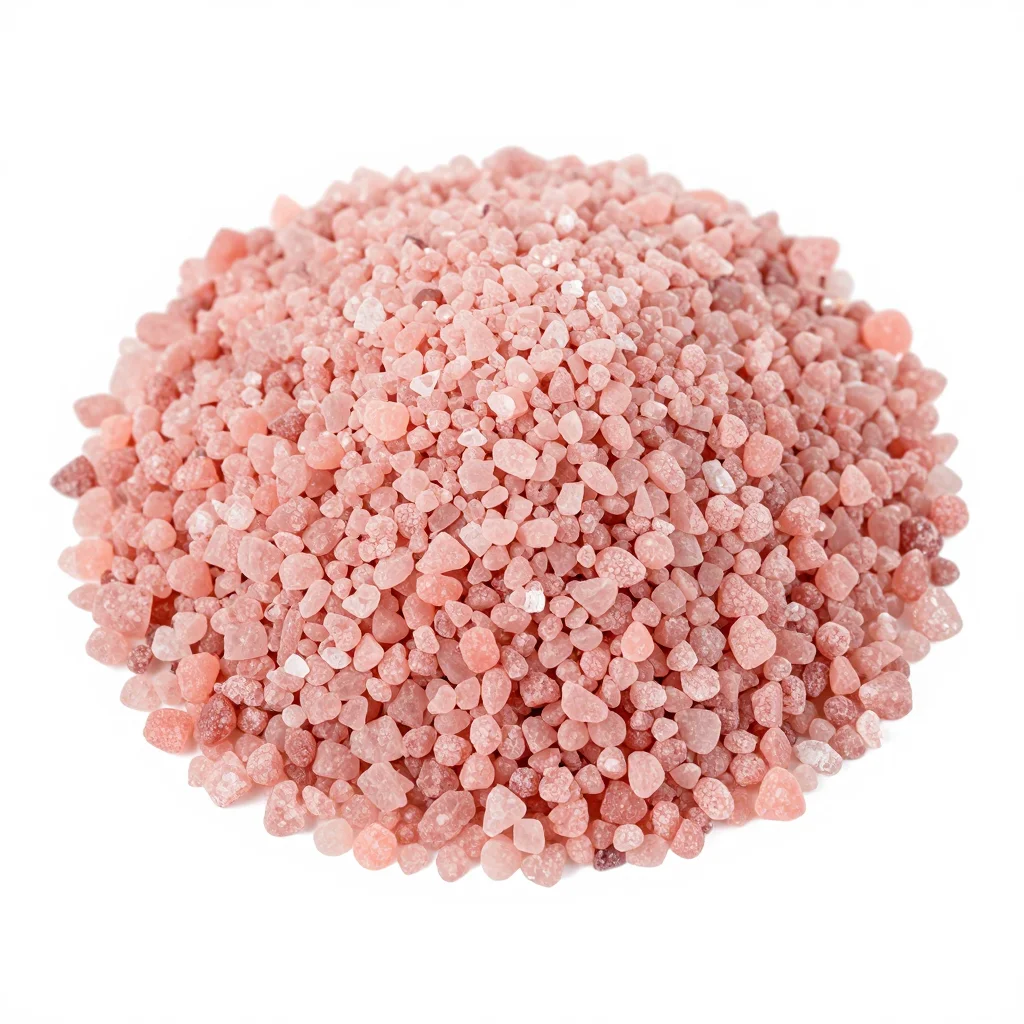
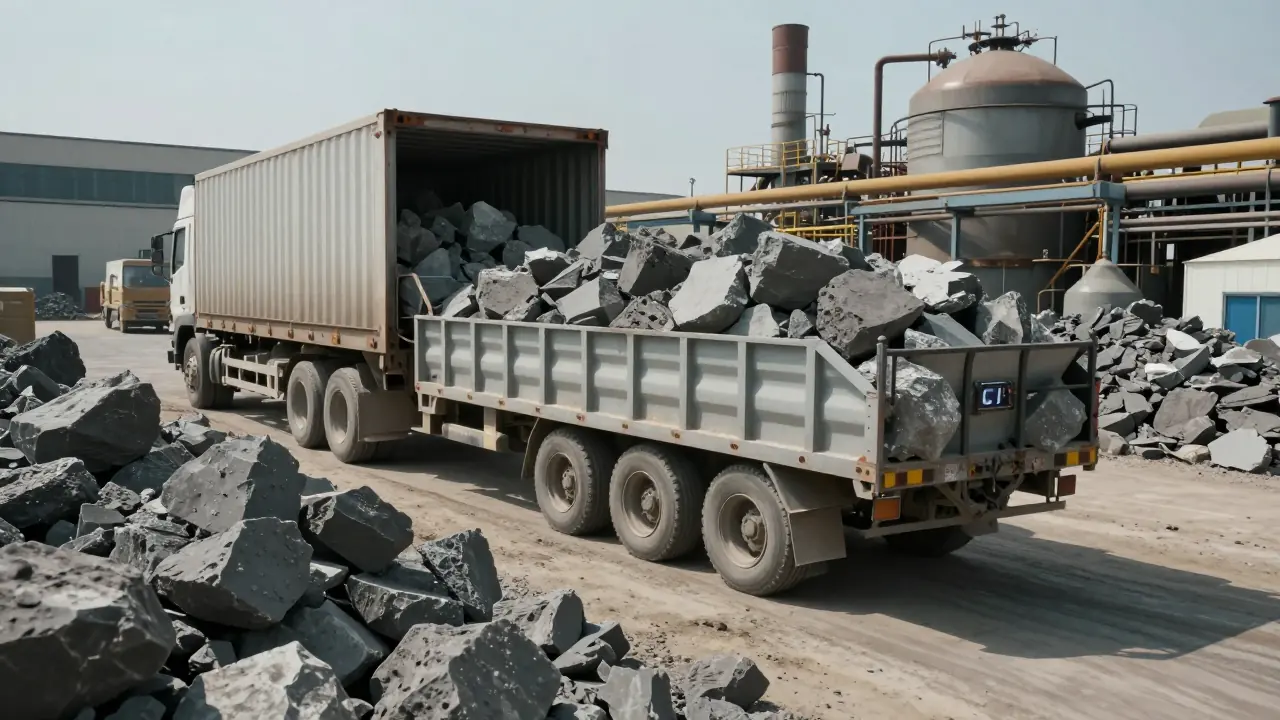
Pink fused alumina is a chromium-alloyed fused alumina abrasive produced by melting high-purity alumina with controlled Cr₂O₃ additions in an electric arc furnace. After cooling, the fused block is crushed, milled, and screened into standardized grain sizes.
Its pink-to-ruby color comes from chromium oxide in the crystal structure. That chemistry adjustment changes performance behavior: compared with standard white fused alumina, pink fused alumina is typically slightly tougher and less brittle, which helps grains hold shape longer under load while still maintaining sharp cutting characteristics.
In purchasing terms, pink fused alumina is commonly selected when buyers want:
- Cleaner grinding than conventional brown grades
- Better durability than very brittle high-purity white grades in specific operations
- More stable finish quality on hardened steels and precision tools
Key Specifications Buyers Should Review
The table below summarizes common purchasing checkpoints used in B2B abrasive qualification. Exact values may vary by producer, grade, and target standard.
| Parameter | Typical Range | Why It Matters in Purchasing |
|---|---|---|
| Al₂O₃ | Typically ≥99% for commercial abrasive grades | Baseline purity and cutting consistency |
| Cr₂O₃ | ~0.2–2.0% | Governs pink color and toughness profile |
| Fe₂O₃ | Low (supplier-specific limit) | Lower impurity for cleaner grinding outcomes |
| Mohs Hardness | ~9 | Supports grinding of hard ferrous materials |
| Bulk Density | ~1.75–1.95 g/cm³ | Affects wheel formulation and packing behavior |
| Grain Shape Distribution | Blocky / semi-blocky by process | Impacts cut aggressiveness and wheel wear |
| Particle Size Distribution | FEPA/JIS/ANSI by grade | Ensures repeatable finish and removal rate |
Practical Interpretation of the Data
For most buyers, Cr₂O₃ control and particle size consistency are more operationally important than chasing a single headline Al₂O₃ value.
- If Cr₂O₃ drifts, grinding behavior can shift between “too brittle” and “too dull.”
- If PSD is unstable, your process window shrinks, dressing frequency changes, and surface quality variation increases.
- If density fluctuates significantly lot to lot, bonded abrasive performance can become harder to stabilize.
When reviewing COAs, compare at least three recent lots to check stability rather than evaluating a single certificate in isolation.
Where Pink Fused Alumina Is Commonly Used
1) Precision Grinding of Alloy and Tool Steels
Pink fused alumina is widely used in bonded wheels for tool rooms and precision machining environments where thermal control and finish are critical. Typical workpieces include HSS tools, dies, cutters, and hardened parts.
2) Surface-Finish Sensitive Operations
Manufacturers producing precision components often use pink grades when standard brown grades leave inconsistent finish under the same machine settings. The goal is not only roughness control but also process repeatability batch to batch.
3) Abrasive Products for Stable Wear Behavior
In applications where wheel life and predictable wear are key cost drivers, pink fused alumina can reduce process interruptions versus overly friable alternatives.
4) Mixed-Portfolios in Abrasive Plants
Some abrasive producers qualify pink grades as a bridge between white fused alumina and brown fused alumina in product portfolio strategy.
Sourcing and Purchasing Considerations
Define the Specification by Process Target, Not Just Chemistry
Before requesting quotations, define your application goal explicitly:
- Prioritize finish quality?
- Prioritize wheel life?
- Prioritize cut rate on a specific material?
Then align chemistry and PSD tolerances to that goal. A broad generic spec often creates hidden variability in production.
Request a Strong Technical Quotation Package
For each offered grade, request:
- Full chemical analysis with Cr₂O₃ clearly reported
- Particle size distribution method and control range
- Bulk density target and test method
- Applicable standard mapping (FEPA/JIS/ANSI)
- Typical use recommendations by workpiece and bond system
Control Commercial Risk Early
For international supply, align quality and logistics terms in writing:
- COA per lot as shipment document requirement
- Retention sample policy for dispute resolution
- Moisture-protected packaging format and pallet standard
- Incoterm, lead-time band, and replacement policy for out-of-spec lots
Validate with Structured Trial Lots
Run side-by-side production trials against your current baseline. Track at least:
- Wheel wear rate
- Dressing interval
- Surface roughness consistency
- Scrap/rework rate
- Cost per qualified part
The best purchasing decision is often the lowest total process cost, not the lowest abrasive unit price.
Frequently Asked Questions
Is pink fused alumina harder than white fused alumina?
Both are corundum-family abrasives with very high hardness. In practical use, the key difference is usually toughness/friability balance rather than headline hardness.
What does chromium oxide do in pink fused alumina?
Controlled Cr₂O₃ addition modifies grain behavior and gives the material its pink color. It can improve toughness and wear stability in many grinding conditions.
When should I choose pink fused alumina instead of brown fused alumina?
Choose pink grades when you need cleaner and more finish-stable performance for precision work, especially on hardened steels and tools, while keeping good grain durability.
Which standards should I specify in a purchase order?
Use the sizing/quality standard your process already qualifies (commonly FEPA, JIS, or ANSI), and require the supplier to map each offered grade clearly to that standard.
How many suppliers should I qualify?
For critical production lines, dual qualification is recommended: one primary and one backup source with equivalent spec control and validated trial performance.
Need a Reliable Pink Fused Alumina Supply Program?
If your team is optimizing precision grinding quality and consistency, we can help you define fit-for-purpose specifications and qualify stable lots for production use.
Explore product details: Pink Fused Alumina.
See a related project: Japanese Abrasives Manufacturer Case.
For quotation support, contact our technical sales team with your current grade, machine setup, and target performance metrics.