Zirconia in Refractories and Advanced Ceramics: A Complete Guide
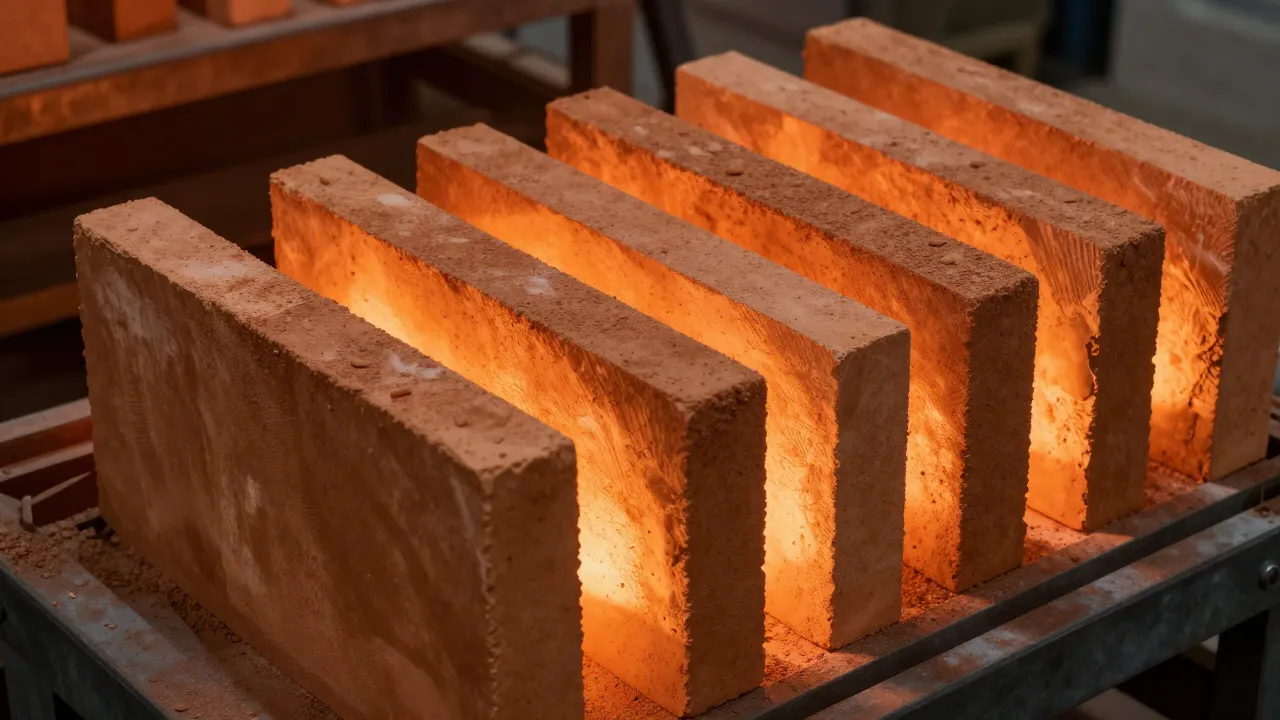
Zirconia (zirconium dioxide, ZrO2) occupies a unique position among industrial ceramics. It withstands higher temperatures than alumina, conducts oxygen ions at elevated temperatures, and possesses a built-in toughening mechanism that gives it mechanical properties closer to metals than to conventional ceramics. This guide explains how zirconia is stabilized, where it performs best, and what B2B buyers should look for when evaluating suppliers.
Understanding Zirconia Stabilization
Pure zirconia undergoes a disruptive phase transformation during heating and cooling: at approximately 1,170°C, it shifts from monoclinic to tetragonal crystal structure with a 3–5% volume change. This expansion and contraction would shatter any component made from pure ZrO2, so commercial zirconia is always stabilized with oxides such as yttria (Y2O3), calcia (CaO), or magnesia (MgO).
Fully stabilized zirconia (FSZ) contains enough stabilizer (typically ≥8 mol% Y2O3) to lock the cubic crystal structure across all temperatures. FSZ is the preferred form for thermal barrier coatings, oxygen sensors, and solid oxide fuel cells where ionic conductivity and phase stability matter most.
Partially stabilized zirconia (PSZ) uses less stabilizer (typically 3–5 mol% Y2O3), retaining a mixture of cubic and metastable tetragonal phases. Under mechanical stress, the tetragonal grains transform to monoclinic at the crack tip, absorbing energy and blunting crack propagation. This transformation toughening mechanism gives PSZ fracture toughness values 2–4× higher than alumina, making it suitable for structural ceramic components.
Key Properties and Specifications
| Parameter | FSZ (8YSZ) | PSZ (3YSZ) | Significance |
|---|---|---|---|
| ZrO2 + stabilizer | ≥99% | ≥99% | Total oxide purity |
| Y2O3 content | 8 ± 0.5 mol% | 3 ± 0.3 mol% | Determines stabilization type |
| Bulk density | 5.7–6.0 g/cm³ | 6.0–6.1 g/cm³ | Full density after sintering |
| Melting point | ~2,700°C | ~2,700°C | Extreme temperature capability |
| Thermal conductivity | 2.0–2.5 W/m·K | 2.5–3.0 W/m·K | Very low — excellent insulator at temperature |
| Fracture toughness | 2–4 MPa·m½ | 5–12 MPa·m½ | PSZ toughness via transformation |
| Ionic conductivity | 0.1 S/cm at 1,000°C | Lower | FSZ preferred for electrochemical cells |
Thermal barrier performance. Zirconia’s thermal conductivity of approximately 2.0 W/m·K makes it one of the best high-temperature thermal insulators available. A 250μm YSZ coating on a turbine blade can reduce the substrate metal temperature by 100–170°C, directly enabling higher firing temperatures and improved engine efficiency.
Transformation toughening in PSZ. The 5–12 MPa·m½ fracture toughness of 3YSZ is exceptional for a ceramic and approaches the toughness of some cast irons. This is the mechanism that enables zirconia dental crowns, femoral head implants, and structural ceramic components that would be impossible with conventional brittle ceramics.
Main Applications
Refractory Linings and Castables
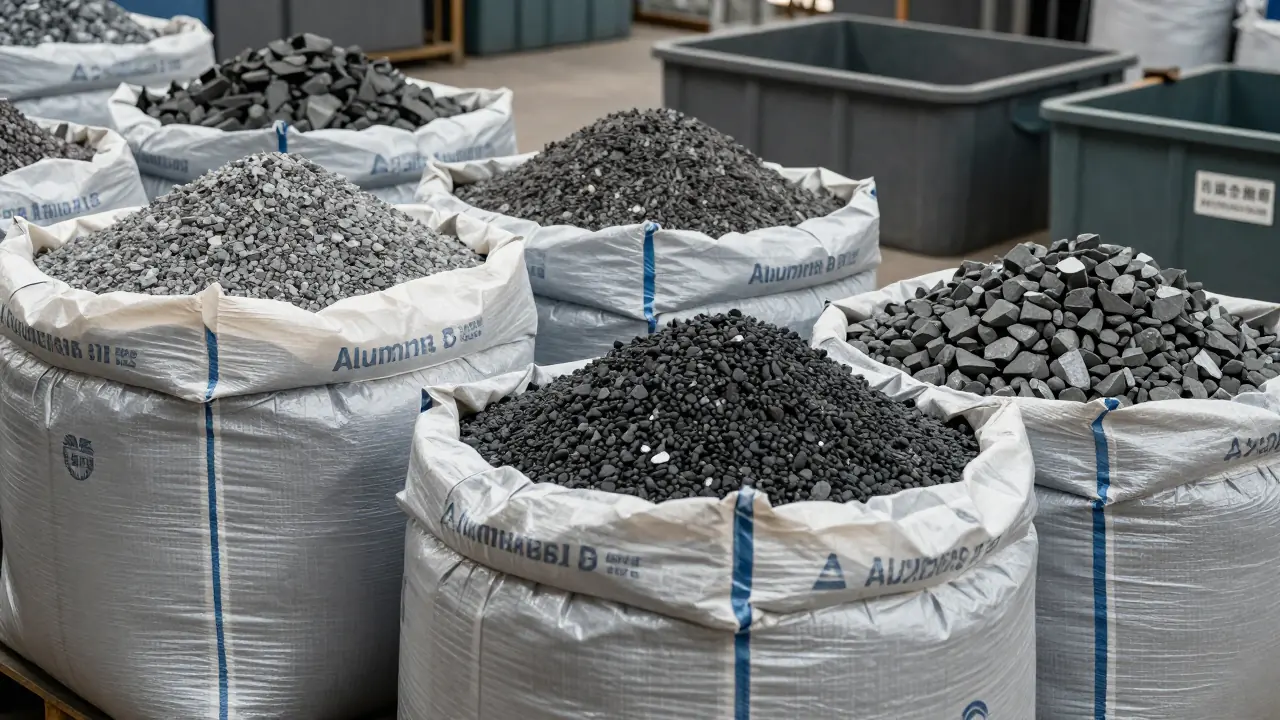
Zirconia-based refractories are specified for the most demanding hot-face applications in the steel, glass, and non-ferrous metals industries. Zirconia bricks and castables resist molten steel slag attack far better than alumina or magnesia-based alternatives, making them the material of choice for steel ladle slag lines, continuous casting tundish nozzles, and glass furnace crown and sidewall blocks. Our fused mullite refractory guide covers the selection logic for zirconia vs. mullite in layered lining systems.
Thermal Barrier Coatings (TBC)
YSZ is the industry-standard TBC material for gas turbine blades and combustion chamber components in both aerospace and power generation applications. Applied by electron beam physical vapor deposition (EB-PVD) or air plasma spray (APS), YSZ coatings provide thermal insulation, oxidation protection for the underlying superalloy, and resistance to calcium-magnesium-aluminosilicate (CMAS) attack from ingested sand and dust.
Investment Casting Shells
For casting nickel-based superalloys used in turbine blades and aerospace structural components, zirconia primary coats provide superior inertness compared to alumina or silica-based shell systems. Zirconia does not react with reactive elements (Hf, Ti, Al) in the molten alloy, preventing the surface depletion and inclusions that would compromise part integrity.
Oxygen Sensors and Solid Oxide Fuel Cells (SOFC)
Yttria-stabilized zirconia becomes an oxygen ion conductor at elevated temperatures (>600°C), a property that underpins the global automotive oxygen sensor market and emerging SOFC technology. In a lambda sensor, a YSZ thimble exposed to exhaust gas on one side and reference air on the other generates a voltage proportional to the oxygen partial pressure difference, enabling precise air-fuel ratio control.
Dental and Medical Ceramics
3Y-TZP (3 mol% yttria tetragonal zirconia polycrystal) has become one of the most widely used dental restorative materials due to its tooth-like color, high strength (flexural strength >1,000 MPa), and excellent biocompatibility. It is used for crowns, bridges, implant abutments, and in orthopedics for femoral heads in total hip replacements.
Sourcing Considerations
Stabilization Type and Content
The first decision is FSZ vs. PSZ. This determines the yttria content specification and the dominant performance characteristic (ionic conductivity vs. mechanical toughness). Always request the supplier’s yttria content certificate — ±0.3 mol% is the industry standard tolerance.
Particle Size and Powder Morphology
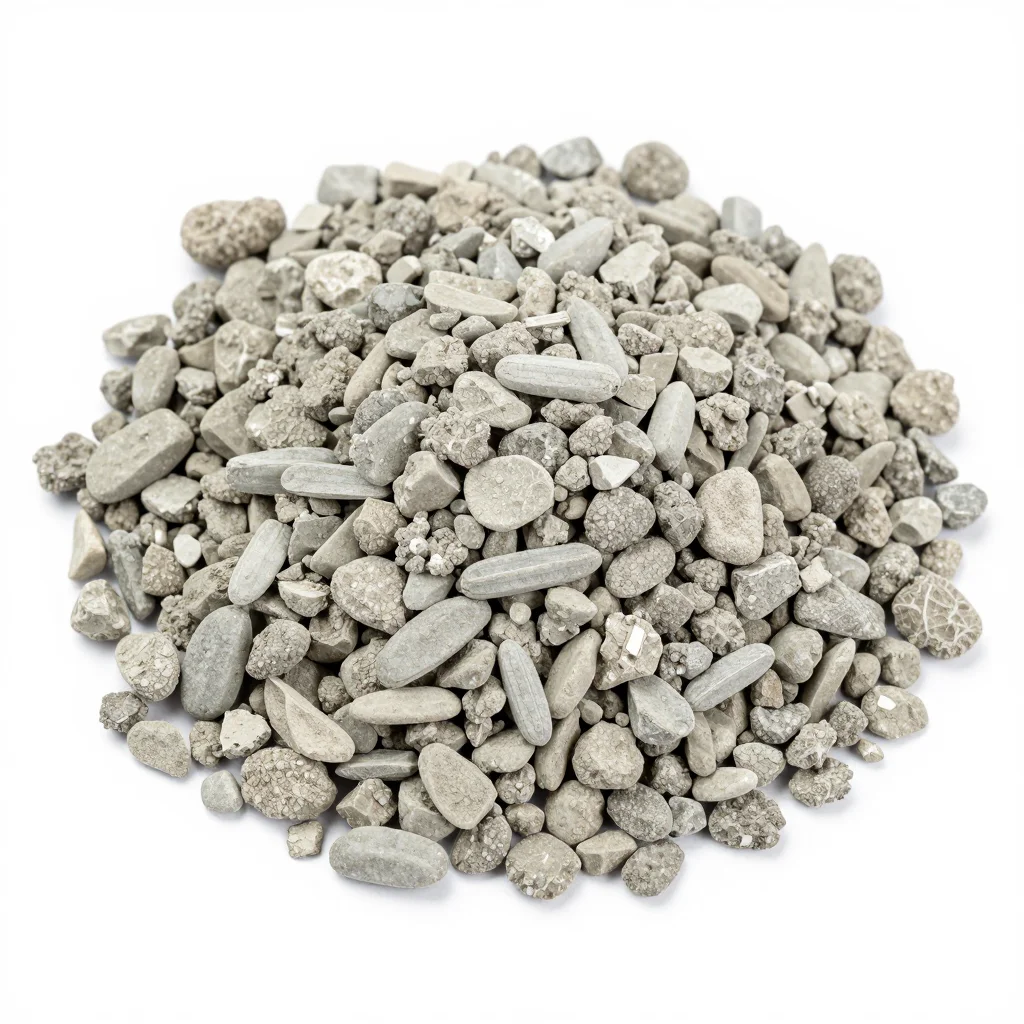
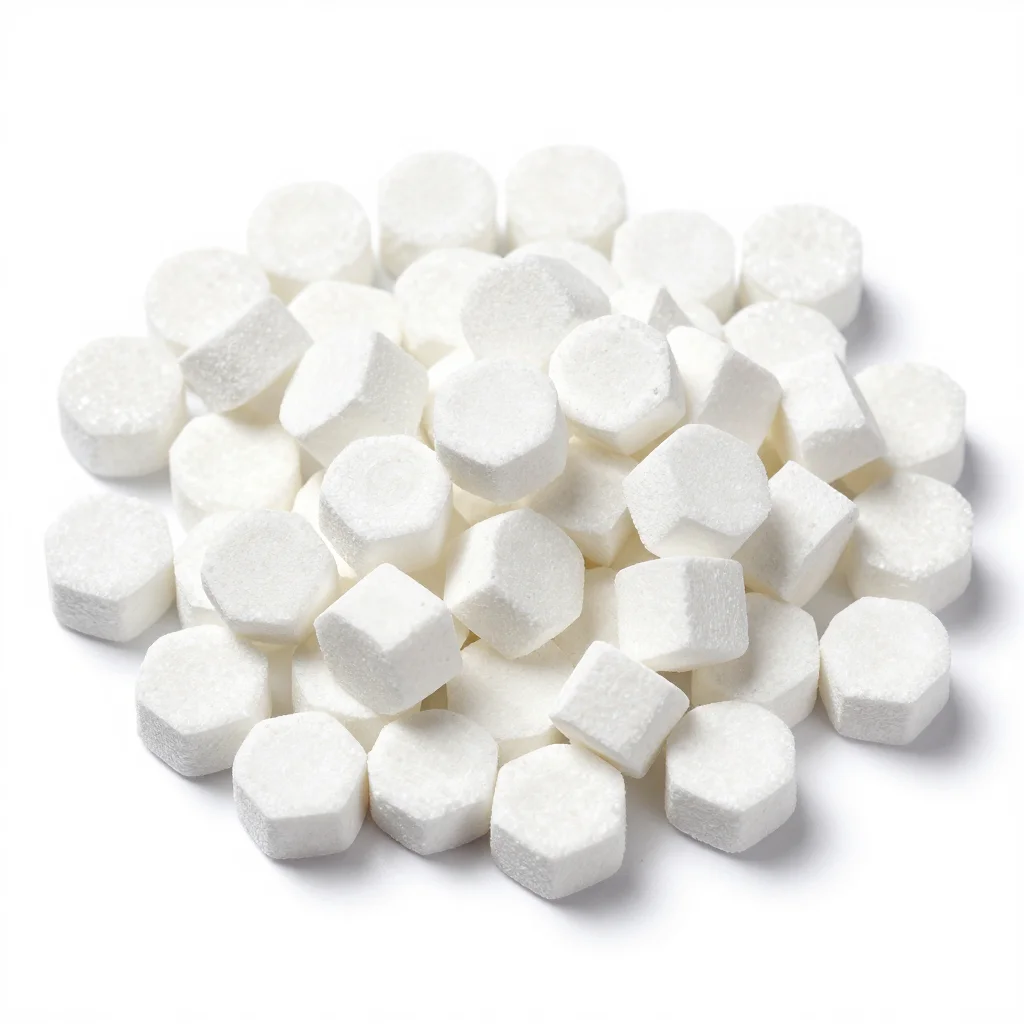
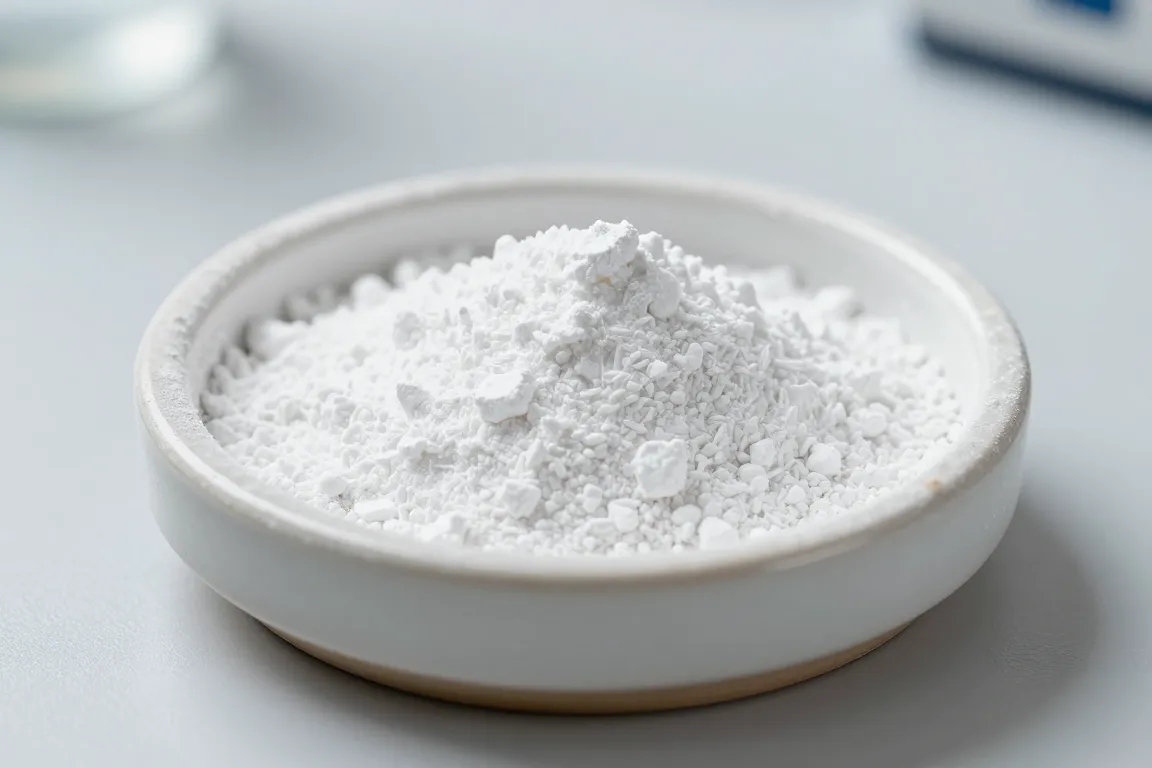
For refractory applications, coarse aggregate fractions (-325 mesh to -100 mesh) with high bulk density are typical. For TBC powders, spherical morphology with D50 in the 10–45μm range ensures consistent plasma spray flowability. For ceramic injection molding and pressing, sub-micron powders with precisely controlled D50 and narrow distribution are essential for achieving full sintered density.
Phase Purity and Monoclinic Content
XRD (X-ray diffraction) analysis quantifies the phase composition. For TBC-grade YSZ, the tetragonal prime (t’) phase content should exceed 90%. Monoclinic content in the as-received powder should be below 1% — elevated monoclinic levels indicate inadequate stabilization and predict poor thermal cycling performance.
Common Quality Pitfalls
- Inconsistent stabilizer distribution: Yttria must be uniformly distributed at the atomic level. Segregation during powder production creates regions of unstabilized zirconia that transform and crack during thermal cycling.
- Silica contamination: Even trace SiO2 (<0.1%) can form a glassy grain-boundary phase during sintering that degrades high-temperature mechanical properties and ionic conductivity. Verify with ICP-OES trace element analysis.
- Agglomeration in fine powders: Sub-micron ZrO2 powders are prone to soft agglomeration during storage. Suppliers should provide de-agglomeration guidance and verify dispersibility with the intended processing route.
Frequently Asked Questions
What is the difference between zirconia and zircon?
Zircon (ZrSiO4) is a naturally occurring mineral — zirconium silicate. Zirconia (ZrO2) is a synthetic material produced by chemical processing of zircon. Zircon is used primarily as a foundry sand and opacifier in ceramics; zirconia is used in high-temperature and high-performance applications where zircon would decompose or underperform. Zirconia typically costs 5–10× more than zircon.
Why does zirconia need to be stabilized?
Pure zirconia undergoes a 3–5% volume expansion when cooling through ~1,170°C (tetragonal to monoclinic phase transformation). This volume change creates internal stresses that destroy the material’s structural integrity. Adding stabilizing oxides (Y2O3, CaO, MgO) locks the high-temperature cubic or tetragonal phase, preventing the destructive transformation. Without stabilization, pure ZrO2 is unusable as a structural or refractory material.
How does zirconia compare to tabular alumina for refractory applications?
Zirconia provides far better slag and molten metal corrosion resistance than tabular alumina, but at significantly higher cost and density. In practice, the two are often used together — a zirconia hot-face working lining backed by tabular alumina or mullite insulation layers — to balance performance and cost. For more on alumina refractories, see our tabular alumina for refractories guide.
What documentation should I request when sourcing zirconia?
For every lot, request: Certificate of Analysis (COA) including ZrO2 + stabilizer purity, Y2O3 content (±0.3 mol%), particle size distribution (D10, D50, D90), specific surface area (BET for fine powders), and XRD phase analysis showing monoclinic and tetragonal/cubic phase fractions. For TBC-grade YSZ powder, also request Hall flow rate and apparent density. For refractory-grade, request bulk density and porosity after firing at the intended service temperature.
Ready to Source Zirconia?
Zirconia’s unique combination of extreme temperature resistance, low thermal conductivity, transformation toughening, and ionic conductivity makes it essential across industries from steelmaking to aerospace to medical devices. Whether you need refractory aggregate, TBC powder, or stabilized ceramic-grade zirconia, the specifications above provide a clear framework for supplier qualification.
Request a quote for zirconia — we supply FSZ and PSZ grades, refractory aggregate fractions, and provide full COA with XRD phase analysis for every shipment.